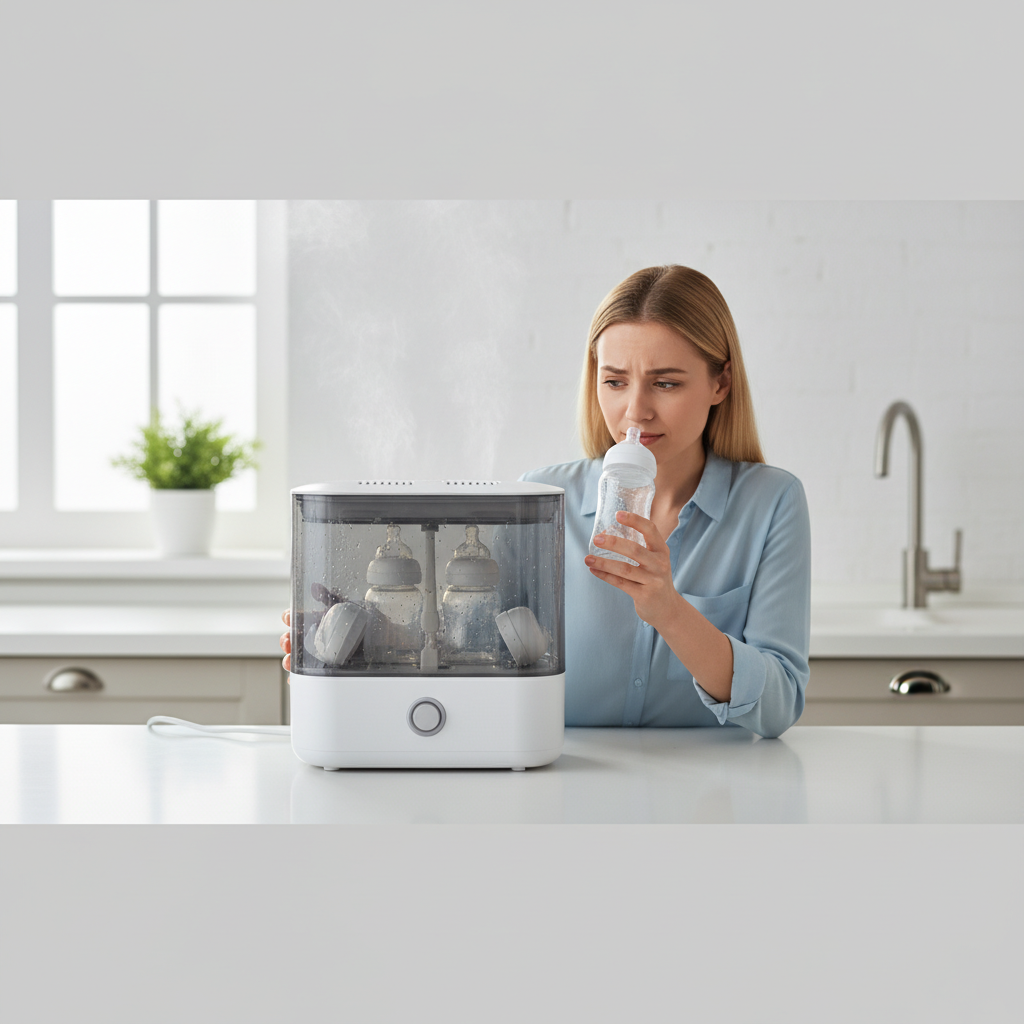
Hard water scale is a persistent and unwelcome guest in many homes, clinging stubbornly to heating elements in various appliances. This chalky buildup, composed primarily of calcium and magnesium minerals, can significantly impact the performance and lifespan of everything from your kettle and coffee machine to bottle sterilizers and water heaters. Ignoring it not only diminishes efficiency but can also lead to costly repairs or premature appliance failure. Fortunately, tackling hard water scale is often a straightforward task, and with the right approach, you can restore your heating plates to their pristine condition, ensuring your appliances run smoothly and efficiently. This comprehensive guide will walk you through proven methods, both natural and commercial, to banish scale and keep your heating plates sparkling clean.
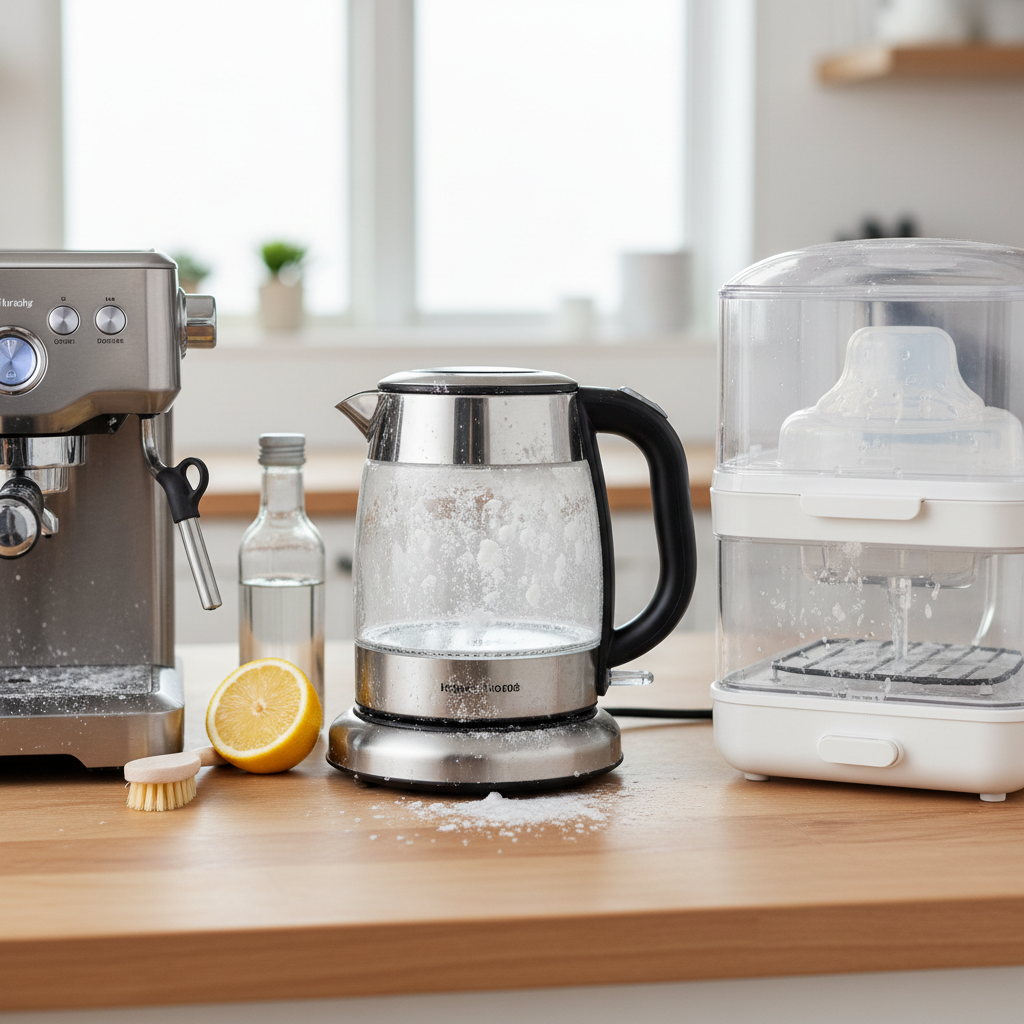
Why Hard Water Scale Forms and Why It’s a Problem
Hard water is characterized by a high concentration of dissolved minerals, predominantly calcium and magnesium. When this water is heated, these minerals precipitate out of the solution and form solid deposits, commonly known as limescale or hard water scale. This white, chalky buildup adheres tenaciously to the surfaces of heating elements and plates.
The accumulation of scale creates a barrier between the heating element and the water, forcing the appliance to work harder to achieve the desired temperature. This leads to several detrimental effects:
- Reduced Efficiency: Appliances take longer to heat water and consume more energy, leading to higher utility bills.
- Decreased Performance: Heat transfer is compromised, affecting the speed and effectiveness of your appliance.
- Appliance Damage: Over time, excessive scale can cause heating elements to overheat and burn out, leading to irreversible damage.
- Hygiene Concerns: In appliances like bottle sterilizers, scale can create an uneven surface where bacteria might thrive if not cleaned properly.
|
Our Picks for the Best Bottle sterilizer in 2026
As an Amazon Associate I earn from qualifying purchases.
|
||
| Num | Product | Action |
|---|---|---|
| 1 | Papablic Baby Bottle Sterilizer and Dryer Pro, Esterilizador De Biberones, Electric Steam Sterilizer for Baby Bottles, Pacifiers, and Pump Parts, Large Capacity 10 Bottles |

|
| 2 | Bottle Sterilizer and Dryer, 99.999% Deep Sterilization, 6-min Rapid Disinfection, Up to 12 Bottles, HEPA Filter, All-in-One for Baby Bottles, Breast Pump Parts & Newborn Essentials |
|
| 3 | Momcozy KleanPal Pro Baby Bottle Washer, Sterilizer & Dryer - All-in-One Cleaning Machine for Bottles, Pump Parts & Baby Essentials - Time-Saving & Effortless Care |
|
| 4 | HEYVALUE Ease-Steam Bottle Sterilizer, Compact Baby Bottle Sterilizer, Fast One-Touch Operation (Esterilizador de Biberones), Electric Sterilizer for Baby Bottles, Baby Essentials & Breast Pump Parts |
|
| 5 | Bear Bottle Sterilizer and Dryer, 2 Layers Large Electric Steam Baby Bottle Sterilizer, Fast Bottle Sanitizer and Dryer for All Bottles & Accessories, Time-Saving Design |
|
| 6 | Dr. Brown's All-in-One Sterilizer and Dryer for Baby Bottles, Parts and Other Newborn Essentials |
|
| 7 | Momcozy 3 Layers Large Bottle Sterilizer and Dryer, Fast Sterilize and Dry, Universal Bottle Sterilizer for All Bottles & Breast Pump Accessories, Touch Screen & Auto-Off Bottle Sanitizer |
|
| 8 | Momcozy Bottle Sterilizer and Dryer, Modular Nesting Space Saving Design, 6 Bottles Capacity, 4 in 1 Compact Sterilizer for Baby Bottles, Breast Pump Parts & Newborn Essentials, Drying Rack Included |
|
| 9 | Bottle Sterilizer, Baby Bottle Steam Sterilizer, Electric Baby Bottle Sanitizer with Timer for Baby Bottles, Pacifiers, Pump Parts |
|
| 10 | GROWNSY Bottle Sterilizer and Dryer, Compact Electric Steam Baby Bottle Sterilizer (Esterilizador de Biberones), Bottle Sanitizer for Baby Bottles, Pacifiers, Pump Parts |
|
Common Methods for Descaling Heating Plates
When it comes to removing hard water scale, you have several effective options, ranging from common household ingredients to specialized commercial products. Understanding each method will help you choose the best approach for your specific appliance and the severity of the scale buildup.
Natural Methods
Natural descalers leverage mild acids to dissolve the mineral deposits without harsh chemicals. They are often the first choice for safety and environmental reasons.
- White Vinegar: This pantry staple is a powerhouse against limescale. Its acetic acid effectively breaks down calcium carbonate. For light to moderate scale, you can use a solution of equal parts white vinegar and water. For heavier buildup, undiluted white vinegar is more effective. The key is allowing it sufficient time to work, typically by soaking the affected area.
- Citric Acid: A natural acid found in citrus fruits, citric acid is another excellent descaler. It’s often sold as a white crystalline powder. Many commercial descalers use citric acid as their primary active ingredient because it’s highly effective and leaves no lingering odor, unlike vinegar. You typically mix 1-2 tablespoons of citric acid powder with a liter of hot water to create a descaling solution.
- Baking Soda: While not a primary descaling agent on its own, baking soda can be used in conjunction with boiling water to help loosen scale. It acts as a mild abrasive if gentle scrubbing is needed after a chemical soak, or it can be boiled with water to help dislodge softer deposits.
Commercial Descalers
For stubborn scale or specific appliance types, commercial descalers offer a convenient and potent solution. These products are formulated to rapidly dissolve mineral deposits and are often tailored for particular appliances, such as coffee machines, kettles, or bottle sterilizers.
- Specialized Formulas: Many brands offer descaling solutions designed for their products (e.g., Baby Brezza descaler for sterilizers). These are often citric acid-based but may include other ingredients for enhanced performance or residue prevention.
- Benefits: Commercial descalers can work faster than natural alternatives and may be recommended by manufacturers to maintain warranty validity. They are also often formulated to be odorless.
- When to Use: If you have very heavy scale buildup, time is a constraint, or if your appliance manufacturer specifically recommends a particular descaler, commercial options are a reliable choice. Always follow the product’s instructions carefully.
Step-by-Step Guide: Descaling Your Heating Plate
Regardless of the method you choose, proper preparation and execution are crucial for safe and effective descaling.
Preparation
Before you begin, ensure your safety and protect your appliance:
- Unplug and Cool Down: Always disconnect the appliance from its power source and allow the heating plate to cool completely to prevent burns and electrical hazards.
- Empty Contents: Remove any water, food, or other contents from the appliance.
- Assess Scale Buildup: Observe the extent of the hard water scale. This will help you decide on the concentration of your descaling solution and the necessary soaking time.
- Identify Appliance Type: The method may vary slightly depending on whether you’re descaling a kettle, a bottle sterilizer, a coffee machine, or a water heater element.
Method 1: Using White Vinegar
White vinegar is a highly versatile and cost-effective descaler for many appliances.
- Apply Vinegar:
- For kettles/coffee machines: Fill the reservoir with a 1:1 mixture of white vinegar and water, or undiluted vinegar for severe scale, ensuring the heating plate is fully submerged.
- For bottle sterilizers: Pour about ½ cup (120 mL) of white distilled vinegar directly onto the heating plate. If there’s a fan opening, pour away from it.
- Soak: Let the vinegar solution sit for at least 30 minutes. For heavy scale or stainless steel surfaces, an overnight soak can be highly effective. The vinegar reacts with the calcium carbonate, dissolving it into water-soluble calcium acetate.
- Gentle Scrub (Optional): After soaking, if stubborn spots remain, use a soft-bristled brush or a non-abrasive sponge to gently scrub the heating plate. Avoid abrasive scrubbers that can scratch the surface.
- Rinse Thoroughly: Pour out the vinegar solution. Rinse the appliance thoroughly multiple times with fresh water to remove any residual vinegar and dissolved scale. Boil fresh water in kettles or run a plain water cycle in sterilizers/coffee makers several times to eliminate any lingering vinegar smell and ensure no residue is left behind.
Method 2: Using Citric Acid
Citric acid is a strong alternative, especially if you prefer an odorless descaling agent.
- Prepare Solution: Mix 1-2 tablespoons of citric acid powder with 1 liter (about 4 cups) of hot water until dissolved. Adjust the concentration based on the severity of the scale.
- Apply Solution: Pour the citric acid solution onto the heating plate, ensuring it covers all scaled areas.
- Soak: Allow the solution to sit for 30 minutes to a few hours, or as recommended for the specific appliance. You might see bubbling as the acid reacts with the scale.
- Gentle Scrub (Optional): If necessary, gently scrub with a soft brush or sponge.
- Rinse Thoroughly: Discard the solution and rinse the appliance thoroughly with fresh water several times. Perform multiple plain water cycles if applicable to ensure all citric acid residue is removed.
Method 3: For Stubborn Buildup
Sometimes, scale can be exceptionally tough.
- Repeat the Process: For very thick or old scale, you may need to repeat the chosen descaling method multiple times.
- Mechanical Assistance: For large, robust heating elements (like those in water heaters), after an acid soak has softened the scale, a non-metallic scraper or a stiff brush can be carefully used to dislodge loosened deposits. Always exercise extreme caution and never use metal tools that can damage the element.
Important Considerations and Safety Tips
Descaling is generally safe, but adherence to best practices is vital to protect yourself and your appliances.
- Always Unplug: Reiterate this safety measure to prevent electric shock.
- Avoid Abrasives: Never use steel wool, abrasive scouring pads, or harsh chemical cleaners (like bleach) on your heating plate, as these can scratch surfaces, remove protective coatings, and cause irreparable damage.
- Thorough Rinsing is Key: After using any descaling agent, especially acidic ones, rinse the appliance meticulously. Acidic residues left on stainless steel surfaces can lead to pitting or discoloration over time.
- Dealing with Residue: If you notice dark green or sticky residue after descaling, especially after using citric acid in certain appliances, it’s often a reaction from the acid being overheated. Simply run another cycle with plain distilled water, or repeat the descaling mode with distilled water if your appliance has one. This usually cleans it off completely.
- Manufacturer’s Instructions: Always consult your appliance’s user manual for specific descaling recommendations and warnings. Some manufacturers may advise against certain chemicals or methods.
- Ventilation: When using vinegar, ensure good ventilation, as its strong odor can be unpleasant.
- Protection: Wear gloves, especially if you have sensitive skin, when handling descaling solutions.
Preventing Future Hard Water Scale Buildup
Prevention is always better than cure. By adopting a few simple habits, you can significantly reduce the frequency and severity of hard water scale buildup.
- Regular Cleaning: Make descaling a routine part of your appliance maintenance. For frequently used items like bottle sterilizers or kettles in hard water areas, a weekly or bi-weekly descaling might be necessary.
- Wipe Dry After Each Use: For appliances where the heating plate is easily accessible, wipe it dry with a soft cloth after each use. This removes residual water before minerals have a chance to solidify.
- Use Distilled or Filtered Water: If practical for your appliance (e.g., small coffee makers, irons, humidifiers), using distilled or filtered water can completely eliminate hard water mineral deposits.
- Consider Water Softeners/Scale Inhibitors: For whole-house solutions or specific installations like tankless water heaters, consider installing a water softener or an electronic/magnetic scale inhibitor. These devices alter the water’s properties to reduce or prevent scale formation throughout your plumbing system.
Conclusion
Hard water scale might be a persistent challenge, but it’s one that can be managed effectively with the right knowledge and tools. By understanding why scale forms and employing proven descaling methods like white vinegar or citric acid, you can keep your heating plates clean, ensuring your appliances operate efficiently and last longer. Regular maintenance and preventative measures are your best defense against this mineral menace, safeguarding your investment and simplifying your household chores. Don’t let scale diminish your appliance’s performance; take action today and enjoy the benefits of clean, efficient heating.
What descaling method has worked best for you in keeping your heating plates scale-free?
Frequently Asked Questions
Is white vinegar or citric acid better for descaling?
Both white vinegar and citric acid are effective descalers due to their acidic properties. Vinegar is readily available and affordable but leaves a strong odor. Citric acid is often preferred for its effectiveness without the pungent smell, making it a good choice for appliances where odor is a concern.
How often should I descale my heating plate?
The frequency depends on your local water hardness and how often you use the appliance. In hard water areas or with daily use, descaling may be needed weekly or bi-weekly. For moderate use and water, monthly or quarterly might suffice. Regularly check your heating plate for buildup as a guide.
Can hard water scale damage my appliance permanently?
Yes, if left unaddressed, excessive hard water scale can significantly damage appliance heating elements, leading to overheating, inefficient operation, and eventual breakdown. This can shorten the appliance’s lifespan and necessitate costly repairs or replacement.
What if there’s still residue after descaling?
If you notice dark, sticky, or discolored residue after descaling, especially with citric acid, it might be due to residual solution being overheated. Simply run another cycle with plain distilled water to rinse it away. Avoid scrubbing aggressively, as this can damage the surface.
Can I use other acids like lemon juice?
While lemon juice contains citric acid, its concentration is generally lower than pure citric acid powder, and it may contain sugars that can leave sticky residues. It’s best to stick with distilled white vinegar or commercial descalers/citric acid powder for optimal and residue-free results.