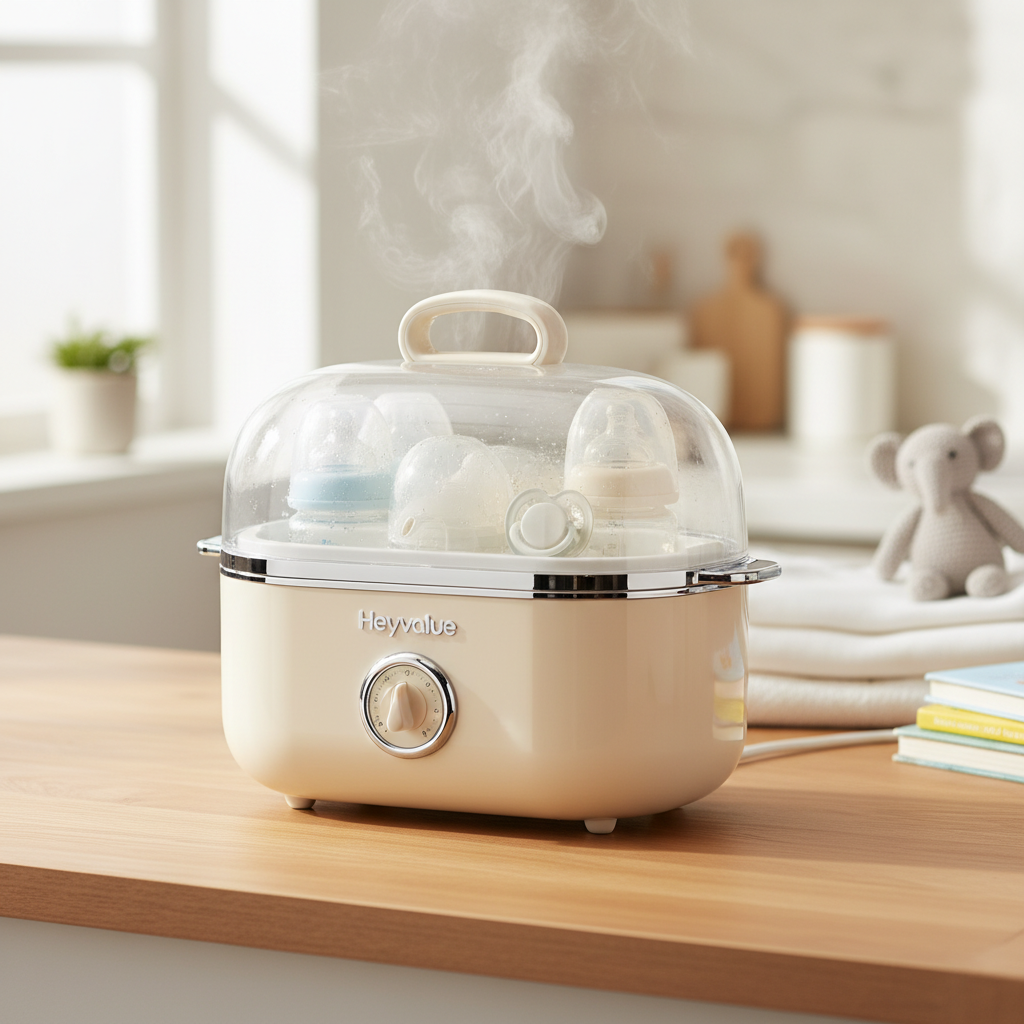
Welcoming a newborn brings immense joy, alongside the vital responsibility of ensuring their health and safety. Among the myriad baby essentials, a bottle sterilizer stands out as a critical tool for maintaining hygiene and protecting your little one from harmful bacteria. With a decade of expertise in baby bottle sterilization, I understand the nuances of various technologies and the importance of choosing a reliable product. This comprehensive guide will walk you through the world of bottle sterilizers, highlight key considerations, and delve into what an Indian brand like Wonderchef offers in this crucial segment of baby care.
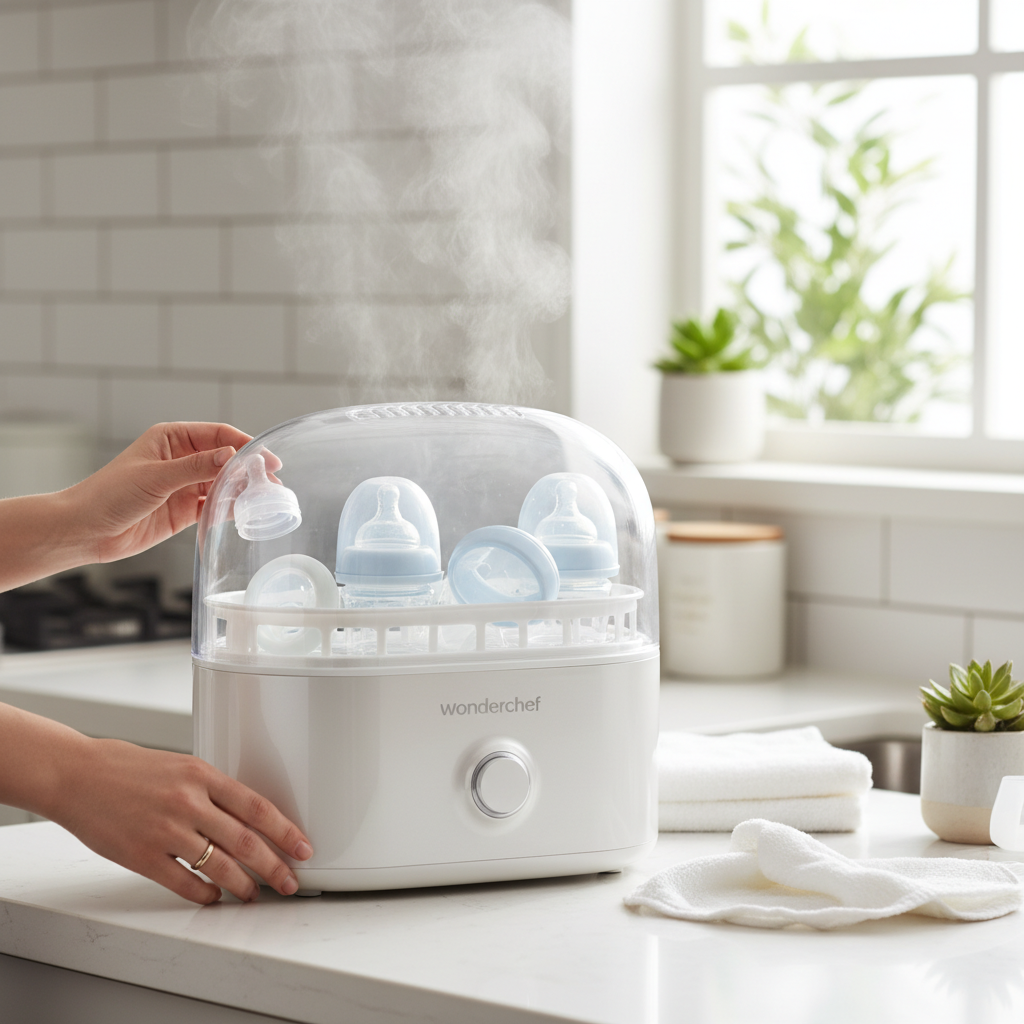
Why Sterilize Baby Bottles?
The delicate immune systems of infants make them highly susceptible to infections from common germs found in their feeding bottles. Simply washing bottles with soap and water isn’t enough to eliminate all bacteria and viruses that can thrive on milk residue. Sterilization is the critical step that ensures bottles, teats, and other feeding accessories are free from harmful microorganisms, significantly reducing the risk of your baby developing gastrointestinal illnesses, thrush, or other infections.
Historically, parents relied on boiling bottles in a pot of water – a time-consuming and often cumbersome method with risks of scalding and potential damage to bottle materials. While effective, traditional boiling requires constant supervision and can be inefficient for busy parents. Modern bottle sterilizers offer a convenient, safe, and highly efficient alternative, bringing peace of mind with every feed. These innovative devices leverage advanced technologies to provide thorough sterilization, simplifying daily routines for new parents.
Types of Bottle Sterilizers
The market offers a variety of bottle sterilizers, each employing a different method to ensure germ-free feeding. Understanding their mechanisms, advantages, and limitations can help you make an informed choice tailored to your lifestyle and needs.
Steam Sterilizers
Steam sterilizers are perhaps the most common and widely used type. They operate by heating water to produce steam, which then envelops the bottles and accessories, killing up to 99.9% of harmful germs.
- Principle of Operation: Water placed in a heating element at the base of the unit turns into steam, which is then circulated throughout the sterilizing chamber. The intense heat of the steam effectively sanitizes the items.
- Advantages: They are generally affordable and straightforward to use, requiring only water and electricity. Many models have large capacities, accommodating multiple bottles and pump parts simultaneously.
- Disadvantages: Sterilization can take a moderate amount of time (typically 6-12 minutes, plus cool-down). They may also leave mineral residue (limescale) if distilled water isn’t used, necessitating regular cleaning.
|
Our Picks for the Best Bottle sterilizer in 2026
As an Amazon Associate I earn from qualifying purchases.
|
||
| Num | Product | Action |
|---|---|---|
| 1 | Bottle Sterilizer, Baby Bottle Steam Sterilizer, Electric Baby Bottle Sanitizer with Timer for Baby Bottles, Pacifiers, Pump Parts |

|
| 2 | Dr. Brown's All-in-One Sterilizer and Dryer for Baby Bottles, Parts and Other Newborn Essentials |
|
| 3 | Papablic Baby Bottle Sterilizer and Dryer Pro, Esterilizador De Biberones, Electric Steam Sterilizer for Baby Bottles, Pacifiers, and Pump Parts, Large Capacity 10 Bottles |
|
| 4 | HEYVALUE Ease-Steam Bottle Sterilizer, Compact Baby Bottle Sterilizer, Fast One-Touch Operation (Esterilizador de Biberones), Electric Sterilizer for Baby Bottles, Baby Essentials & Breast Pump Parts |
|
| 5 | Momcozy Bottle Sterilizer and Dryer, Modular Nesting Space Saving Design, 6 Bottles Capacity, 4 in 1 Compact Sterilizer for Baby Bottles, Breast Pump Parts & Newborn Essentials, Drying Rack Included |
|
| 6 | Bottle Sterilizer and Dryer, 99.999% Deep Sterilization, 6-min Rapid Disinfection, Up to 12 Bottles, HEPA Filter, All-in-One for Baby Bottles, Breast Pump Parts & Newborn Essentials |
|
| 7 | GROWNSY Bottle Sterilizer and Dryer, Compact Electric Steam Baby Bottle Sterilizer (Esterilizador de Biberones), Bottle Sanitizer for Baby Bottles, Pacifiers, Pump Parts |
|
| 8 | Bear Bottle Sterilizer and Dryer, 2 Layers Large Electric Steam Baby Bottle Sterilizer, Fast Bottle Sanitizer and Dryer for All Bottles & Accessories, Time-Saving Design |
|
| 9 | Momcozy KleanPal Pro Baby Bottle Washer, Sterilizer & Dryer - All-in-One Cleaning Machine for Bottles, Pump Parts & Baby Essentials - Time-Saving & Effortless Care |
|
| 10 | Momcozy 3 Layers Large Bottle Sterilizer and Dryer, Fast Sterilize and Dry, Universal Bottle Sterilizer for All Bottles & Breast Pump Accessories, Touch Screen & Auto-Off Bottle Sanitizer |
|
Microwave Sterilizers
Microwave sterilizers are designed for quick and convenient sterilization using your existing microwave oven. These are essentially containers that hold bottles and a small amount of water.
- How to Use: You place bottles and a measured amount of water inside the sterilizer, then heat it in the microwave. The microwave heats the water, creating steam that sterilizes the contents.
- Advantages: They are incredibly fast, often completing a cycle in just 2-6 minutes, making them ideal for busy parents or travel. They are also compact and portable, taking up minimal counter space.
- Disadvantages: They require a microwave oven and might not fit all microwave sizes. Not all bottle materials are microwave-safe, so compatibility must be checked.
UV Sterilizers
UV sterilizers utilize ultraviolet light to eliminate germs without water or heat. This technology is gaining popularity for its dry, chemical-free operation.
- UV Technology: These devices use UV-C light bulbs to break down the DNA of bacteria, viruses, and molds, rendering them harmless.
- Advantages: UV sterilizers are highly effective, often sterilizing items in a matter of minutes. They require no water or drying time, meaning items come out dry and ready to use. They are also suitable for sterilizing a wider range of items beyond bottles, such as toys, pacifiers, and even remote controls.
- Disadvantages: They typically come with a higher price tag. The UV bulbs need periodic replacement, adding to the long-term cost, and their effectiveness can diminish over time.
Multi-functional Sterilizers (Sterilizer-Dryers)
Many modern sterilizers combine sterilization with a drying function, offering the ultimate convenience. These are often steam sterilizers with an added heating element for drying.
- Functionality: After a steam sterilization cycle, these machines automatically switch to a hot air drying cycle, ensuring bottles are not only germ-free but also completely dry and ready for storage or immediate use.
- Advantages: They are incredibly convenient and time-saving, eliminating the need for air-drying or towel-drying. They reduce the risk of recontamination that can occur during air-drying.
- Disadvantages: Multi-functional sterilizers generally have a higher upfront cost due to their dual capabilities. They also tend to be larger, requiring more counter space.
Comparison Table of Bottle Sterilizer Types
Understanding the differences at a glance can aid in your decision-making process.
| Feature | Steam Sterilizer | Microwave Sterilizer | UV Sterilizer | Multi-functional Sterilizer |
|---|---|---|---|---|
| Price Range | Low | Medium | High | High |
| Sterilization Time | Medium (6-12 min) | Fast (2-6 min) | Fast (5-15 min) | Medium (6-12 min) |
| Sterilization Efficacy | High | High | Very High | Very High |
| Convenience | Medium | High | High | Very High |
| Drying Capability | No (requires air-dry) | No (requires air-dry) | Yes (dry process) | Yes (integrated dryer) |
| Water Needed | Yes | Yes | No | Yes (for steam) |
| Heat Involved | Yes | Yes | No | Yes |
Important Criteria When Choosing a Bottle Sterilizer (Buying Guide)
Selecting the right bottle sterilizer involves considering several factors to match your family’s needs and lifestyle.
- Capacity: Evaluate how many bottles and accessories you need to sterilize daily. If you’re exclusively bottle-feeding or pumping frequently, a larger capacity sterilizer will save you time. Some models can hold up to 6-8 bottles, along with teats, rings, and pump parts.
- Size: Consider your kitchen counter space. Larger multi-functional units offer more features but demand more room. Compact microwave or travel sterilizers are great for small kitchens or on-the-go use.
- Material Safety: Always prioritize sterilizers made from BPA-free materials. Ensure any plastics are food-grade and heat-resistant to prevent leaching of harmful chemicals into your baby’s bottles. Stainless steel elements are also a plus for durability and hygiene.
- Key Features:
- Drying Function: A sterilizer with an integrated dryer is a significant time-saver, preventing air-drying and potential recontamination.
- Timer/Auto Shut-off: These features enhance safety and convenience, allowing you to set it and forget it.
- Sterile Storage Time: Some models keep bottles sterile for a certain period (e.g., 24 hours) if the lid remains closed, offering flexibility.
- Descaling Alert: A useful reminder for maintenance, especially for steam sterilizers.
- Brand Reputation: Opt for brands known for producing reliable, safe, and durable baby products. Research customer reviews and ratings to gauge product satisfaction and after-sales support.
- Price: Set a budget, but remember that the cheapest option isn’t always the best for such a critical item. Balance cost with features, durability, and safety certifications.
Top Bottle Sterilizers and Considering Wonderchef
When it comes to essential baby care appliances, parents often seek products that combine efficiency, safety, and reliability. In the Indian market, brands like Wonderchef, known for their innovative kitchenware and home appliances, might also be a consideration for parents looking for bottle sterilizers.
Wonderchef, as an Indian brand, has established a presence with a range of kitchen and home products that often emphasize modern design and practicality. While specific, detailed reviews for a dedicated Wonderchef bottle sterilizer model might not be as widespread as for their cookware, the brand’s general approach often includes user-friendly features and aesthetic appeal. If Wonderchef offers a bottle sterilizer, it would likely align with the common types discussed above – primarily steam or possibly multi-functional sterilizer-dryers, given the market demand for convenience.
What to Look For in a Wonderchef Bottle Sterilizer (or any reputable brand):
- Design and Capacity: Expect a design that fits well in Indian kitchens, likely with a decent capacity to handle multiple feeding sessions.
- Ease of Use: A good Wonderchef sterilizer would feature intuitive controls and a simple setup, reflecting their brand’s user-friendly ethos.
- Safety Standards: It would be crucial for any Wonderchef baby product to adhere to international safety standards, being BPA-free and made from high-quality, durable materials suitable for repeated heating.
- Efficiency: Parents would look for quick sterilization cycles and potentially an efficient drying function to save time.
Considering Alternatives and Popular Choices:
While a specific Wonderchef bottle sterilizer might not dominate the market like some specialized baby brands, many well-regarded sterilizers often include:
- Philips Avent Advanced Electric Steam Sterilizer: Known for its fast cycle and adjustable modular design.
- Tommee Tippee Closer to Nature Electric Steam Sterilizer: Often praised for its compact design and quick sterilization.
- Chicco Sterilizer: Offers both steam and microwave options, catering to different preferences.
Ultimately, when considering a Wonderchef bottle sterilizer, parents should apply the same rigorous buying criteria: check for clear product specifications, safety certifications, user reviews (if available for the specific model), and ensure it fits their daily needs for capacity and functionality. The brand’s general reputation for quality in other kitchen appliances could be a positive indicator, but independent verification for baby-specific products is always advisable.
“A reliable bottle sterilizer is not just a convenience; it’s an investment in your baby’s health, ensuring every feed is as safe as possible.” – Dr. Priya Sharma, Pediatric Health Specialist
How to Use and Maintain Your Bottle Sterilizer
Proper usage and regular maintenance are key to maximizing the effectiveness and lifespan of your bottle sterilizer.
Detailed Usage Instructions (General)
- Preparation: Before sterilizing, always wash bottles, teats, and accessories thoroughly with warm soapy water and a bottle brush. Rinse them well to remove any milk residue or soap.
- Assembly: Disassemble all bottle parts (bottles, rings, teats, caps) and place them into the sterilizer with openings facing downwards to allow steam or UV light to penetrate effectively. Ensure parts are not tightly packed, allowing for proper circulation.
- Add Water (for steam models): Pour the recommended amount of distilled or purified water into the sterilizer’s base. Using tap water can lead to limescale buildup over time. Do not overfill or underfill.
- Start Cycle: Close the lid securely and select the appropriate sterilization cycle. For multi-functional units, choose the sterilize-and-dry option if desired.
- Cool Down/Completion: Allow the cycle to complete. For steam sterilizers, let the unit cool down for a few minutes before opening to avoid steam burns. For UV sterilizers, items are ready immediately after the cycle.
- Removal: Use clean tongs or freshly washed hands to remove the sterilized items. If not using immediately, store them in a clean, covered container or leave them in the sterilizer with the lid closed to maintain sterility for up to 24 hours.
Important Notes for Safety and Efficacy
- Read the Manual: Always read the manufacturer’s instruction manual thoroughly before first use. Each model may have specific requirements.
- Cleanliness is Key: Ensure all items are clean before sterilization. Sterilization kills germs but doesn’t remove physical dirt or milk residue.
- Never Open Mid-Cycle: Do not open the lid of a steam sterilizer during operation to prevent serious steam burns.
- Allow Cooling: For steam sterilizers, allow bottles to cool completely before handling or preparing formula, as hot bottles can affect formula integrity.
- Child Safety: Keep the sterilizer out of reach of children, especially when hot.
Cleaning and Maintenance
- Regular Descaling (for steam models): Limescale buildup from water minerals can reduce efficiency and damage the heating element. Descale your steam sterilizer every 2-4 weeks or as recommended by the manufacturer. Use a descaling solution or a mix of white vinegar and water.
- Wipe Down: Regularly wipe down the interior and exterior of the sterilizer with a damp cloth to remove any spills or residue.
- UV Bulb Replacement: For UV sterilizers, replace the UV bulb periodically according to the manufacturer’s recommendations to ensure optimal germ-killing effectiveness.
- Dry Storage: Ensure the sterilizer is completely dry before storing it to prevent mold or mildew growth.
Important Considerations When Using a Bottle Sterilizer
Even with the convenience of a sterilizer, a few key points ensure maximum safety and effectiveness.
- Always follow manufacturer guidelines: This cannot be stressed enough, as each model has unique operational and safety protocols.
- Pre-wash everything: Sterilization is the final step; it doesn’t replace thorough cleaning with soap and water. Residue can harbor bacteria even after a sterilization cycle.
- Handle with clean hands: Once sterilized, items should only be handled with freshly washed hands or sterile tongs to prevent recontamination.
- Monitor for wear and tear: Regularly inspect bottles, teats, and sterilizer components for cracks, discoloration, or damage. Replace worn parts immediately.
- Water quality: For steam sterilizers, using distilled or purified water can significantly reduce mineral buildup and extend the life of the appliance.
Conclusion
Choosing the right bottle sterilizer is a pivotal decision for any parent, ensuring that your baby’s feeding equipment is impeccably clean and safe. From the robust steam sterilizers to the advanced UV models and versatile multi-functional units, each offers distinct advantages tailored to varying needs. While considering Indian brands like Wonderchef, remember to prioritize essential features such as capacity, material safety, and overall efficiency, always aligning your choice with established safety standards and your family’s daily routine.
A well-chosen bottle sterilizer is more than just an appliance; it’s a foundation for your child’s early health and your peace of mind. By understanding the available options and what makes a sterilizer truly effective, you empower yourself to make the best decision for your little one.
What features do you find most essential in a bottle sterilizer for your family’s unique lifestyle?
Frequently Asked Questions
Is a bottle sterilizer absolutely necessary, or is hand washing enough?
While thorough hand washing with hot, soapy water helps remove milk residue, it often isn’t enough to kill all harmful bacteria and viruses. A bottle sterilizer provides a higher level of hygiene by eliminating up to 99.9% of germs, offering crucial protection for your baby’s developing immune system, especially during the first year.
How often should I sterilize my baby’s bottles?
It is generally recommended to sterilize your baby’s bottles and feeding equipment at least once a day, especially for newborns and infants up to 12 months. Some parents choose to sterilize after every use, particularly if their baby has a compromised immune system or if they are concerned about hygiene.
Can I sterilize pump parts and pacifiers in a bottle sterilizer?
Yes, most bottle sterilizers are designed to accommodate a variety of baby feeding items, including breast pump parts, pacifiers, and teething toys. Always check the sterilizer’s manual and the item’s compatibility to ensure it is safe to sterilize using your chosen method (steam, UV, microwave).
What type of water should I use in a steam sterilizer?
For steam sterilizers, it is highly recommended to use distilled or purified water. This helps prevent the buildup of limescale (mineral deposits) on the heating plate, which can reduce the sterilizer’s efficiency and lifespan. If tap water is used, regular descaling is essential.
How long do bottles remain sterile after a cycle?
Many modern sterilizers, especially those with a drying function or airtight storage, can keep bottles sterile for up to 24 hours if the lid remains unopened after the cycle. However, once the sterilizer is opened or items are removed, they should be used or stored in a clean, covered environment to prevent recontamination.