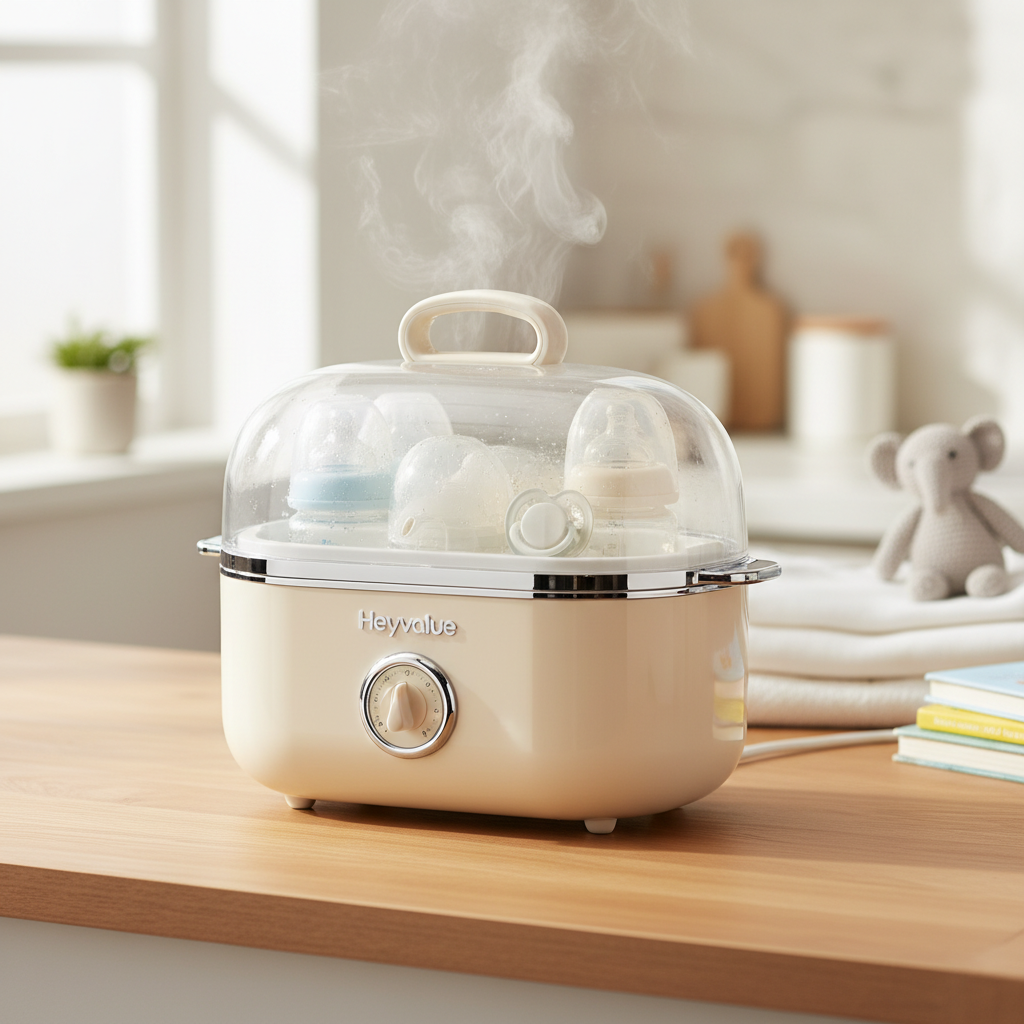
A broken sterilizer can quickly turn a calm evening into a frantic search for solutions, especially when relying on it for your little one’s feeding essentials. When your sterilizer stops heating, a faulty heating element is often the culprit, leaving you with cold bottles and a pile of unsterilized gear. While this might seem like a daunting problem, with the right approach and a strong focus on safety, repairing a broken sterilizer heating element yourself is a manageable task that can save you time and money. This comprehensive guide will walk you through the diagnosis, repair, and essential safety measures needed to get your sterilizer back in working order.
Why Your Sterilizer Might Not Be Heating
Before diving into repairs, it’s helpful to understand why your sterilizer might not be reaching temperature. While the heating element is a common suspect, it’s not always the sole cause. Other components play crucial roles in the heating process. A malfunctioning thermostat, for instance, might fail to signal the heating element to turn on or off, leading to either no heat or overheating. Similarly, a faulty solid-state relay or contactor, which acts as a switch, could prevent power from reaching the element. Low water levels or excessive mineral buildup on the heating plate are also frequent offenders, hindering heat transfer or triggering safety cut-offs. Lastly, electrical issues like a blown fuse, loose wiring, or a problem with the control circuit board can interrupt the power supply.
Safety First: Essential Precautions Before Any Repair
Working with electrical appliances, especially those involving water and heat, carries inherent risks. Your safety is paramount. Before you even think about picking up a tool, follow these critical safety precautions:
- Disconnect Power Completely: This is the most crucial step. Always unplug the sterilizer from the wall outlet. For an added layer of safety, consider turning off the corresponding circuit breaker at your home’s main electrical panel. Verify that the unit has no power before proceeding.
- Allow Cooling Time: Heating elements can retain extreme heat long after being unplugged. Give the sterilizer ample time, at least an hour or more, to cool down completely before touching any internal components.
- Wear Protective Gear: Protect yourself from potential burns, cuts, or electrical shocks. Wear insulated gloves and safety goggles. Long sleeves and pants are also advisable to minimize exposed skin.
- Use Insulated Tools: When working with electrical components, even after disconnecting power, always use tools with insulated handles to prevent accidental shocks if residual charge is present or if power is mistakenly reconnected.
- Understand Electrical Risks: Be aware that even low voltage can cause injury. If you are uncomfortable or unfamiliar with electrical work, it is always best to consult a qualified professional.
Tools and Materials You’ll Need
Having the right tools on hand will make the repair process smoother and safer. Here’s a list of what you’ll likely require:
- Multimeter: Essential for testing electrical continuity and resistance to diagnose component failures.
- Screwdriver Set: You’ll need various sizes and types (Phillips, flathead) to open the sterilizer casing.
- Pliers and Wire Cutters/Strippers: For disconnecting and reconnecting electrical wires.
- Replacement Heating Element: This must be specific to your sterilizer’s make and model to ensure compatibility and safe operation.
- Camera or Smartphone: For taking detailed photos of wiring connections before disassembly.
- Clean Cloth and White Vinegar (Optional): For cleaning mineral buildup.
- Heat Shrink Tubing and Heat Gun (Optional): For insulating new wire connections if needed.
Diagnosing a Faulty Heating Element
Accurately diagnosing the problem is key to a successful repair. If your sterilizer isn’t heating, follow these steps to determine if the heating element is the culprit:
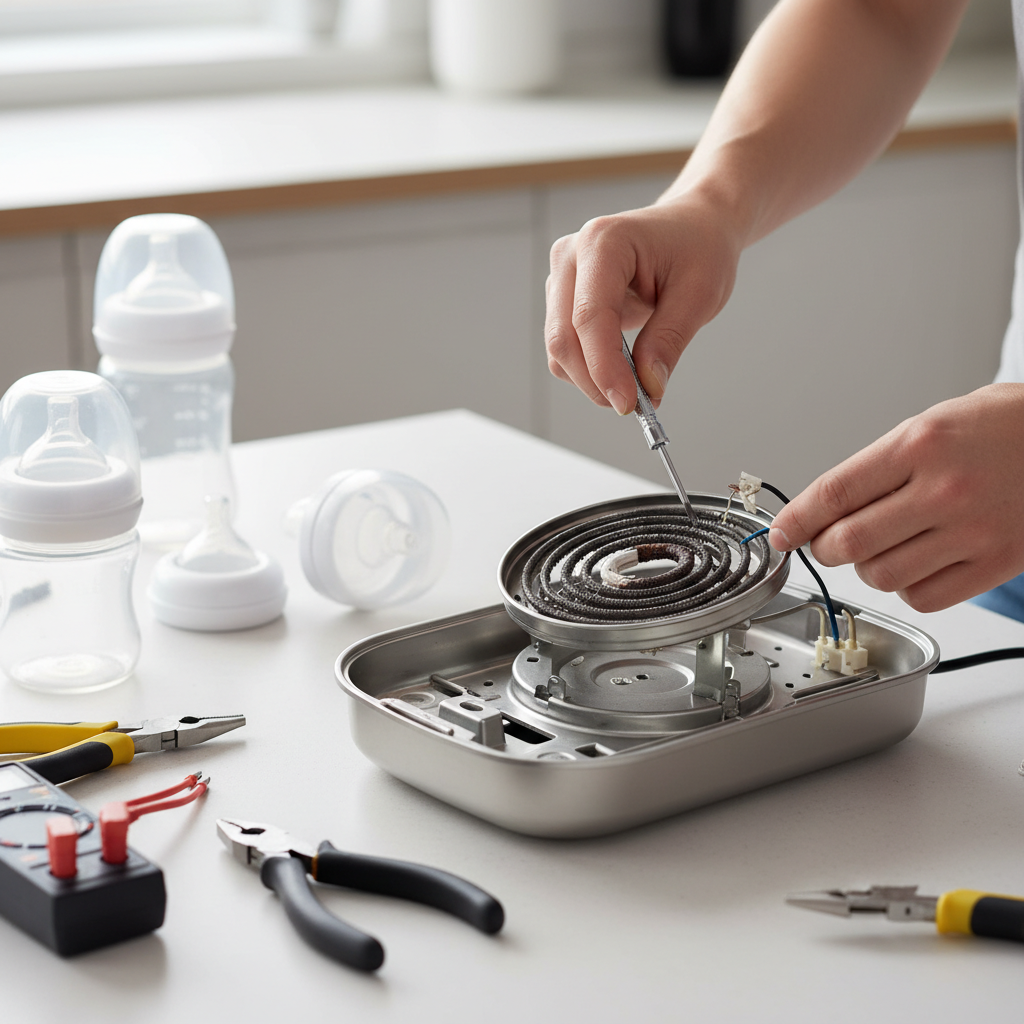
- Visual Inspection: After safely opening the sterilizer, carefully examine the heating element. Look for visible signs of damage such as cracks, bulges, burn marks, corrosion, or excessive mineral scale buildup. Sometimes a heating element will show a clear break in its coil.
- Check for Mineral Buildup: If you observe a white or brown crust on the heating plate, this mineral buildup can insulate the element, preventing efficient heat transfer. Clean it thoroughly with a 1:1 solution of white vinegar and water, letting it soak if necessary, then wipe clean.
- Use a Multimeter for Continuity/Resistance Test:
- Ensure the sterilizer is unplugged.
- Locate the terminals of the heating element. You may need to disconnect a few wires to isolate the element for accurate testing.
- Set your multimeter to measure resistance (Ohms, Ω).
- Touch one probe to each terminal of the heating element.
- A healthy heating element will show a resistance reading, typically between 8 and 150 ohms, though this can vary by model. Consult your sterilizer’s manual for the exact specifications.
- If your multimeter reads “OL” (open circuit) or an extremely high resistance, it indicates that the heating element’s internal coil is broken, confirming it needs replacement.
- Check Other Components (Briefly): If the heating element tests good, you might briefly check the thermostat for continuity (it should close a circuit when cold and open when hot, or vice-versa depending on type) or look for signs of scorching on wiring, which could indicate a short or faulty connection.
Step-by-Step Guide: Replacing Your Sterilizer’s Heating Element
Once you’ve confirmed that the heating element is faulty, you can proceed with replacement. Remember to follow the safety precautions at every step.
Step 1: Disconnect Power and Access the Element
- Ensure the sterilizer is unplugged from the power outlet.
- Carefully open the sterilizer’s outer casing. This usually involves unscrewing several screws on the bottom, back, or sides of the unit. Refer to your owner’s manual if you’re unsure how to access the internal components.
|
Our Picks for the Best Bottle sterilizer in 2026
As an Amazon Associate I earn from qualifying purchases.
|
||
| Num | Product | Action |
|---|---|---|
| 1 | Bottle Sterilizer and Dryer, 99.999% Deep Sterilization, 6-min Rapid Disinfection, Up to 12 Bottles, HEPA Filter, All-in-One for Baby Bottles, Breast Pump Parts & Newborn Essentials |

|
| 2 | HEYVALUE Ease-Steam Bottle Sterilizer, Compact Baby Bottle Sterilizer, Fast One-Touch Operation (Esterilizador de Biberones), Electric Sterilizer for Baby Bottles, Baby Essentials & Breast Pump Parts |
|
| 3 | Momcozy Bottle Sterilizer and Dryer, Modular Nesting Space Saving Design, 6 Bottles Capacity, 4 in 1 Compact Sterilizer for Baby Bottles, Breast Pump Parts & Newborn Essentials, Drying Rack Included |
|
| 4 | Momcozy KleanPal Pro Baby Bottle Washer, Sterilizer & Dryer - All-in-One Cleaning Machine for Bottles, Pump Parts & Baby Essentials - Time-Saving & Effortless Care |
|
| 5 | GROWNSY Bottle Sterilizer and Dryer, Compact Electric Steam Baby Bottle Sterilizer (Esterilizador de Biberones), Bottle Sanitizer for Baby Bottles, Pacifiers, Pump Parts |
|
| 6 | Bottle Sterilizer, Baby Bottle Steam Sterilizer, Electric Baby Bottle Sanitizer with Timer for Baby Bottles, Pacifiers, Pump Parts |
|
| 7 | Bear Bottle Sterilizer and Dryer, 2 Layers Large Electric Steam Baby Bottle Sterilizer, Fast Bottle Sanitizer and Dryer for All Bottles & Accessories, Time-Saving Design |
|
| 8 | Momcozy 3 Layers Large Bottle Sterilizer and Dryer, Fast Sterilize and Dry, Universal Bottle Sterilizer for All Bottles & Breast Pump Accessories, Touch Screen & Auto-Off Bottle Sanitizer |
|
| 9 | Dr. Brown's All-in-One Sterilizer and Dryer for Baby Bottles, Parts and Other Newborn Essentials |
|
| 10 | Papablic Baby Bottle Sterilizer and Dryer Pro, Esterilizador De Biberones, Electric Steam Sterilizer for Baby Bottles, Pacifiers, and Pump Parts, Large Capacity 10 Bottles |
|
Step 2: Document Connections
- Before disconnecting any wires, take clear photos of how the existing heating element is wired. Note the color and position of each wire connected to the terminals. This will be invaluable during reassembly.
Step 3: Disconnect and Remove the Old Element
- Using pliers or insulated tools, carefully detach the electrical wires from the terminals of the old heating element.
- Remove any mounting screws, clamps, or nuts that secure the heating element in place. Be mindful of any gaskets or seals that might be present, as these will need to be properly seated with the new element.
- Gently extract the faulty heating element from its housing.
Step 4: Install the New Heating Element
- Ensure your new heating element is an exact match for your sterilizer model. Pay attention to any markings, especially regarding integrated safety features like fuses or NTC sensors, to ensure you replace like-for-like and maintain the appliance’s safety standards.
- Carefully insert the new heating element into the sterilizer, ensuring it sits correctly and any gaskets are properly sealed to prevent leaks.
- Secure the element with its mounting screws, clamps, or nuts. Do not overtighten, but ensure it is firmly in place.
- Reconnect the electrical wires to the new heating element’s terminals, referring to the photos you took in Step 2. Make sure all connections are tight and secure.
Step 5: Reassemble and Test
- Once the new element is installed and wired, carefully reassemble the sterilizer’s casing, ensuring all screws are tightened.
- Before plugging it in, double-check all connections and ensure no tools or loose parts are left inside.
- Plug the sterilizer back into a power outlet.
- Fill the sterilizer with the appropriate amount of distilled water and run a test cycle. Monitor it closely to ensure it heats up properly and functions as expected. Look for any leaks, strange noises, or burning smells.
Troubleshooting After Replacement
Even after a successful replacement, issues can sometimes arise. If your sterilizer still isn’t heating or is behaving unusually:
- No Heat: Re-check all wire connections to the new heating element to ensure they are secure. Use your multimeter to re-test the new element for continuity, just in case. If the element is good, review your diagnostics for other potential failures like the thermostat or control board.
- Overheating: If the sterilizer is getting too hot, it could indicate a problem with the thermostat that controls the heating cycle. This might require further investigation or professional assistance.
When to Call a Professional
While DIY repairs can be empowering and cost-effective, there are situations where calling a professional is the safer and more sensible option:
- Lack of Comfort or Expertise: If you feel unsure at any point during the diagnosis or repair, especially when dealing with electricity, it’s always best to stop and seek professional help. Electrical work can be dangerous if not handled correctly.
- Complex Electronic Issues: If your troubleshooting points to a fault in the main circuit board, control panel, or other intricate electronic components, these are often best left to experienced technicians.
- Inability to Find Compatible Parts: Using an incompatible heating element can be dangerous and damage your sterilizer further. If you can’t source the correct part for your specific model, a professional might have better access or alternative solutions.
- Warranty Concerns: Attempting DIY repairs on a sterilizer still under warranty might void it. Check your manufacturer’s warranty terms before proceeding.
Conclusion
A broken heating element doesn’t necessarily mean the end for your sterilizer. With careful diagnosis, adherence to safety protocols, and a methodical approach, you can often repair it yourself. This not only saves you money but also provides a satisfying sense of accomplishment. Remember to prioritize safety above all else, always double-check your work, and don’t hesitate to seek professional assistance if the repair feels beyond your comfort or skill level. A fully functioning sterilizer is crucial for your baby’s health, and ensuring it works reliably is the ultimate goal.
Frequently Asked Questions
Can I use any heating element as a replacement?
No, it is crucial to use a replacement heating element that is specifically designed for your sterilizer’s make and model. Incompatible elements can lead to improper function, safety hazards, or further damage to the appliance. Always check the appliance code and heating element markings.
How often do sterilizer heating elements typically fail?
The lifespan of a heating element varies depending on usage, water quality, and maintenance. Frequent use of tap water, which can lead to mineral buildup, is a common cause of premature failure. With proper care and distilled water, elements can last for years.
What is a multimeter and how do I use it to test a heating element?
A multimeter is a device used to measure electrical properties like voltage, current, and resistance. To test a heating element, you set the multimeter to measure resistance (Ohms, Ω) and touch its probes to the element’s terminals. A reading of “OL” or very high resistance typically indicates a broken element.