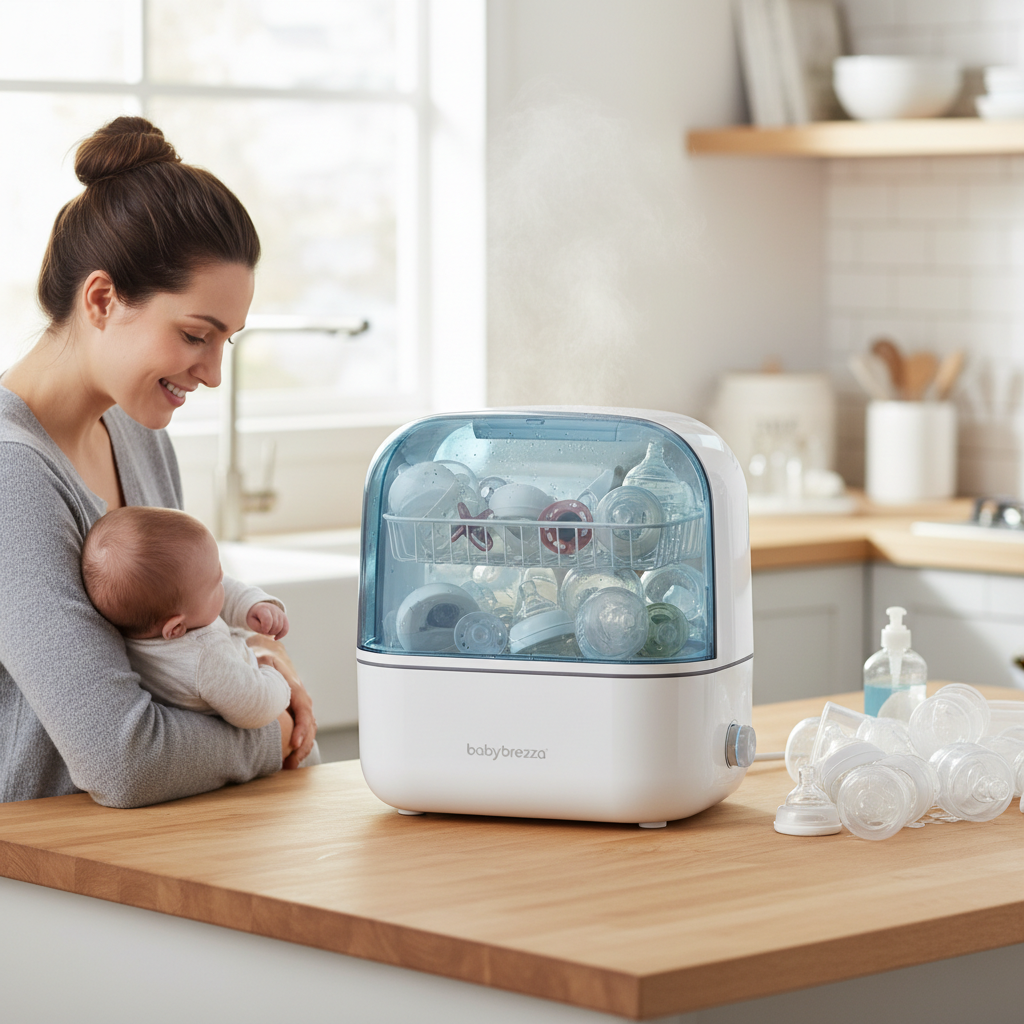
Ensuring the health and safety of infants and toddlers in a daycare or nursery setting is paramount. With numerous bottles and feeding accessories cycled through daily, effective sterilization isn’t just a recommendation—it’s a critical hygiene standard. Choosing the right sterilizer can significantly impact operational efficiency, safeguard children’s well-being, and provide peace of mind for both staff and parents. This guide delves into the various types of sterilizers, essential features for professional environments, and top recommendations to help you make an informed decision for your childcare facility.
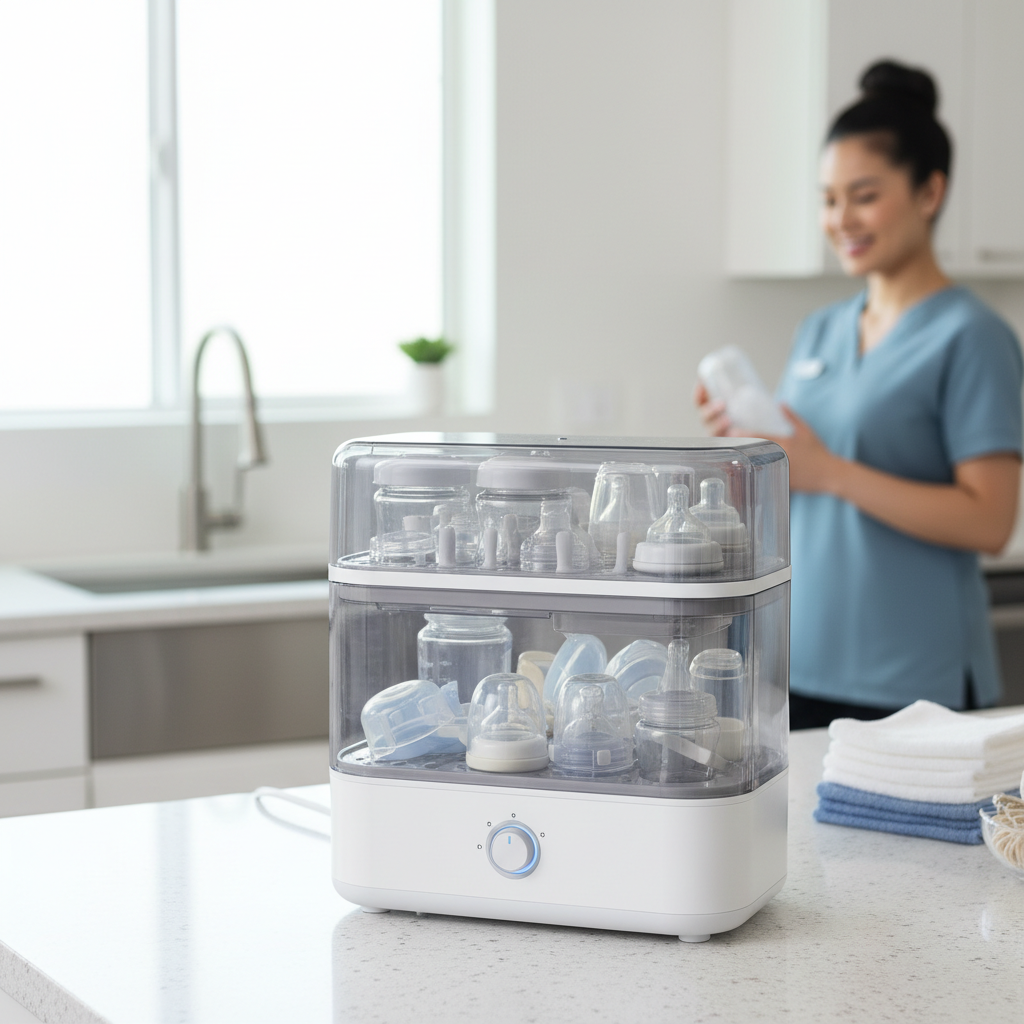
Why Sterilization is Non-Negotiable in Childcare Facilities
In environments where multiple infants share feeding equipment, the risk of germ transmission is significantly higher. Babies, especially those under two months old, premature, or with developing immune systems, are particularly vulnerable to infections from unsterilized bottles and feeding parts. While thorough washing is a good first step, it doesn’t eliminate all harmful bacteria and viruses. Sterilization goes further, using intense heat or UV light to kill 99.9% of germs, thereby preventing gastrointestinal illnesses and other common infections. For daycares and nurseries, investing in reliable sterilization equipment is a fundamental commitment to infant health and compliance with health regulations.
Understanding the Types of Bottle Sterilizers for Professional Use
The market offers several types of bottle sterilizers, each with distinct mechanisms, advantages, and limitations. Understanding these differences is key to selecting the best fit for your facility’s specific needs and volume.
Electric Steam Sterilizers
Electric steam sterilizers are countertop appliances that use hot steam to sanitize bottles and accessories. They work by heating water to boiling point, creating steam that envelops the items, effectively killing germs.
- Principle of Operation: Water is heated, producing steam that reaches high temperatures (often over 200°F or 93°C).
- Advantages: Generally offer high capacity, quick cycles, and are relatively easy to use. Many models include a drying function, which is crucial for preventing bacterial growth post-sterilization.
- Disadvantages: Can take up significant counter space and require regular descaling to prevent mineral buildup, especially if not using distilled water.
|
Our Picks for the Best Bottle sterilizer in 2026
As an Amazon Associate I earn from qualifying purchases.
|
||
| Num | Product | Action |
|---|---|---|
| 1 | Momcozy 3 Layers Large Bottle Sterilizer and Dryer, Fast Sterilize and Dry, Universal Bottle Sterilizer for All Bottles & Breast Pump Accessories, Touch Screen & Auto-Off Bottle Sanitizer |

|
| 2 | GROWNSY Bottle Sterilizer and Dryer, Compact Electric Steam Baby Bottle Sterilizer (Esterilizador de Biberones), Bottle Sanitizer for Baby Bottles, Pacifiers, Pump Parts |
|
| 3 | Bear Bottle Sterilizer and Dryer, 2 Layers Large Electric Steam Baby Bottle Sterilizer, Fast Bottle Sanitizer and Dryer for All Bottles & Accessories, Time-Saving Design |
|
| 4 | Bottle Sterilizer and Dryer, 99.999% Deep Sterilization, 6-min Rapid Disinfection, Up to 12 Bottles, HEPA Filter, All-in-One for Baby Bottles, Breast Pump Parts & Newborn Essentials |
|
| 5 | Dr. Brown's All-in-One Sterilizer and Dryer for Baby Bottles, Parts and Other Newborn Essentials |
|
| 6 | Momcozy KleanPal Pro Baby Bottle Washer, Sterilizer & Dryer - All-in-One Cleaning Machine for Bottles, Pump Parts & Baby Essentials - Time-Saving & Effortless Care |
|
| 7 | Momcozy Bottle Sterilizer and Dryer, Modular Nesting Space Saving Design, 6 Bottles Capacity, 4 in 1 Compact Sterilizer for Baby Bottles, Breast Pump Parts & Newborn Essentials, Drying Rack Included |
|
| 8 | Papablic Baby Bottle Sterilizer and Dryer Pro, Esterilizador De Biberones, Electric Steam Sterilizer for Baby Bottles, Pacifiers, and Pump Parts, Large Capacity 10 Bottles |
|
| 9 | HEYVALUE Ease-Steam Bottle Sterilizer, Compact Baby Bottle Sterilizer, Fast One-Touch Operation (Esterilizador de Biberones), Electric Sterilizer for Baby Bottles, Baby Essentials & Breast Pump Parts |
|
| 10 | Bottle Sterilizer, Baby Bottle Steam Sterilizer, Electric Baby Bottle Sanitizer with Timer for Baby Bottles, Pacifiers, Pump Parts |
|
Microwave Steam Sterilizers
These are compact units designed to be placed inside a microwave oven. They use the microwave’s power to heat water and generate steam for sterilization.
- Principle of Operation: Water added to the unit is heated by microwave energy, creating steam within an enclosed chamber.
- Advantages: Affordable, highly portable, and very fast sterilization cycles (often 2-6 minutes). They are excellent for smaller daycares or for sterilizing individual items quickly.
- Disadvantages: Limited capacity, requires access to a microwave, and typically lacks a drying function, meaning items emerge wet and need air-drying. This may not be ideal for high-volume, continuous use in larger facilities.
UV Sterilizers
Ultraviolet (UV) sterilizers use UV-C light to kill germs without water or heat. This method is gaining popularity for its convenience and versatility.
- Principle of Operation: UV-C light disrupts the DNA of bacteria and viruses, rendering them inactive.
- Advantages: No water or chemicals needed, quick cycles, and can often sterilize other items like toys or remote controls. They leave items dry, eliminating the need for separate drying.
- Disadvantages: Can be more expensive upfront, and the effectiveness depends on the UV bulb’s intensity and coverage. UV bulbs require periodic replacement. Capacity can vary, with many models being more suited for smaller items rather than multiple bottles simultaneously.
Sterilizer-Dryer Combos
These versatile machines combine the sterilization process (most commonly steam) with an integrated drying cycle.
- Principle of Operation: After steam sterilization, a heating element and fan circulate warm, filtered air to dry the items.
- Advantages: The most hygienic and convenient option for daycares. Ensures items are not only germ-free but also completely dry, ready for immediate use or storage. Many models offer extended sterile storage.
- Disadvantages: Typically larger and more expensive than sterilizers without drying functions.
Bottle Washer & Sterilizer Combos
The ultimate all-in-one solution, these machines automate both the washing and sterilizing processes.
- Principle of Operation: Utilizes spray jets for washing, followed by steam sterilization and drying cycles.
- Advantages: Maximizes efficiency and reduces manual labor, critical for busy daycares. Can handle significant volume and offer features like HEPA filtration for drying and sterile storage.
- Disadvantages: Highest upfront cost and largest footprint.
Comparison Table: Choosing the Right Sterilizer
| Feature | Electric Steam | Microwave Steam | UV Sterilizer | Sterilizer-Dryer | Bottle Washer & Sterilizer |
|---|---|---|---|---|---|
| Cost | Low to Medium | Very Low | Medium to High | Medium to High | High |
| Sterilization Time | Medium (6-15 min) | Fast (2-6 min) | Fast (1-10 min) | Medium (8-15 min) | Medium (8-15 min) |
| Germ Kill Efficiency | High (99.9%) | High (99.9%) | High (99.9%) | High (99.9%) | High (99.9%) |
| Drying Function | Often included | No | Yes | Yes | Yes |
| Washing Function | No | No | No | No | Yes |
| Capacity | High (4-8 bottles) | Low (up to 4 bottles) | Varies (few items to few bottles) | High (6-13 bottles) | Very High (4-13+ bottles + accessories) |
| Convenience | High | Medium (needs microwave) | High | Very High | Excellent |
| Counter Space | Moderate to Large | Minimal (when stored) | Moderate | Large | Very Large |
| Maintenance | Descaling required | Easy to clean | Bulb replacement | Descaling required | Descaling, filter, drain clean |
Important Criteria When Selecting a Bottle Sterilizer for Your Facility
When outfitting a daycare or nursery, your choice of sterilizer should go beyond individual parent preferences and focus on the unique demands of a professional childcare environment.
- Capacity and Volume: This is arguably the most crucial factor. A professional setting handles dozens of bottles and feeding accessories daily. Look for sterilizers with large capacities (e.g., 6-13 bottles and multiple accessory slots) to minimize the number of cycles needed.
- Efficiency and Speed: Time is precious in a busy daycare. Opt for models with quick sterilization and drying cycles to ensure a constant supply of clean bottles. All-in-one sterilizer-dryers or washer-sterilizer combos significantly streamline this process.
- Drying Functionality: A dedicated drying cycle is essential. Leaving items wet, even after sterilization, can create an environment for bacteria and mold to thrive. Ensure the sterilizer provides thorough drying, ideally with filtered air.
- Ease of Use and Maintenance: Staff members need equipment that is intuitive to operate and easy to clean. Look for clear controls, simple loading/unloading, and accessible components for descaling (for steam units) or filter changes (for UV/dryer units). Durable construction is also key for longevity.
- Material Safety: Always ensure that the sterilizer and any components that come into contact with bottles are made from BPA-free materials.
- Footprint and Space: Consider your available counter space. While larger capacity units are beneficial, they also require more room. Some modular designs offer flexibility.
- Durability and Brand Reputation: For continuous, heavy-duty use, invest in sterilizers from reputable brands known for their quality and customer support. Look for sturdy designs that can withstand daily operation.
Top Sterilizers for Daycares and Nurseries
Based on efficiency, capacity, and features vital for a professional setting, here are some of the most highly-regarded sterilizers:
- Grownsy Bottle Washer Pro: This all-in-one system offers washing, sterilizing, drying, and even 72-hour sterile storage. With 26 spray jets, a HEPA filter, and a spacious double-layered design, it’s a powerhouse for busy facilities. The convenient drain hose simplifies water disposal.
- Baby Brezza Bottle Washer Pro: Similar to the Grownsy, this unit also combines washing, sterilizing, and drying. It features two spacious racks and 26 spray jets for thorough cleaning. While highly effective, users note the absence of a direct drainage system, requiring manual emptying of a wastewater bin.
- Baby Brezza SUPERFAST Sterilizer Dryer: Renowned for its speed, this sterilizer and dryer can complete a cycle in just 10 minutes. Its large capacity accommodates up to six bottles and various accessories, making it ideal for frequent use. Its professional appearance and ease of operation are significant advantages.
- Papablic Baby Bottle Sterilizer & Dryer (Classic/Pro): Papablic offers models with very large capacities, with some accommodating up to 13 bottles and accessories. These units provide effective steam sterilization and powerful drying functions, often with adjustable stacking options for different item sizes.
- Babymoov Turbo Pure Sterilizer & Dryer: This sterilizer boasts a HEPA filter for purified drying and an impressive 36-hour sterile storage mode. Its targeted steam jets and intuitive controls make it an efficient and hygienic choice for daycares.
- Wabi Baby Electric Steam Sterilizer and Dryer: Compact yet high-capacity, the Wabi Baby can hold around eight bottles and offers powerful drying. Its automatic drying activation every four hours maintains sterility for up to 12 hours, a valuable feature for extended storage.
How to Use and Maintain Your Bottle Sterilizer
Proper usage and maintenance are critical for extending the lifespan of your sterilizer and ensuring maximum germ-killing effectiveness.
General Usage Guidelines:
- Read the Manual: Always consult the manufacturer’s instructions for specific operating procedures, water requirements, and safety warnings.
- Pre-Clean Thoroughly: Before placing items in the sterilizer, always wash bottles, nipples, and accessories with hot, soapy water and rinse them completely. Sterilizers are designed to sanitize clean items, not to clean dirty ones.
- Load Correctly: Arrange items to allow steam or UV light to reach all surfaces. Avoid overcrowding. For steam sterilizers, place bottles mouth-down to ensure proper steam circulation and drainage.
- Add Water (Steam Models): Use the specified amount of water. Distilled water is highly recommended for steam sterilizers to prevent mineral scale buildup on the heating element.
- Secure and Activate: Close the lid securely and select the desired cycle (sterilize, dry, or both).
- Handle with Care: After a cycle, especially with steam sterilizers, allow the unit to cool slightly before opening to avoid steam burns. Use clean tongs to remove items without re-contaminating them.
- Ensure Complete Drying: For sterilizers without a drying function, place items on a clean drying rack or towel until completely dry before storage. Do not use dish towels to wipe items dry, as this can reintroduce germs.
Maintenance Tips:
- Regular Cleaning: Wipe down the interior of the sterilizer after each use.
- Descaling (Steam Models): Mineral buildup (limescale) from water can reduce efficiency. Descalee your steam sterilizer weekly or bi-weekly with a vinegar-water solution as per manufacturer guidelines. Always run a plain water cycle afterward.
- Filter Replacement (Dryer/UV Models): Replace HEPA filters in dryer models and UV bulbs in UV sterilizers according to the manufacturer’s schedule to maintain optimal performance.
- Inspect for Wear: Periodically check gaskets, trays, and other components for signs of wear or damage.
Important Safety Notes
- Burns: Steam and freshly sterilized items are extremely hot. Exercise extreme caution when opening the sterilizer or removing contents.
- Child Safety: Keep the sterilizer out of reach of children, especially when in operation.
- No Contamination: Always wash your hands thoroughly before handling sterilized items. Avoid touching the inside of bottles or parts that contact milk or a baby’s mouth.
- Ventilation: Ensure steam sterilizers are not placed directly under cabinets where steam can cause damage.
“In a professional childcare setting, the goal isn’t just cleanliness, it’s clinical hygiene. A high-capacity sterilizer with a reliable drying function is an investment in both health and efficiency.” – Dr. Elena Petrova, Pediatric Health Specialist
Conclusion
Choosing the best sterilizer for your daycare or nursery involves carefully balancing capacity, speed, convenience, and safety features. While various options exist, sterilizer-dryer combos or all-in-one bottle washer-sterilizer-dryers offer the most comprehensive and efficient solutions for a professional environment, ensuring that bottles and feeding accessories are not only germ-free but also perfectly dry and ready for use. By prioritizing these factors, you empower your staff to maintain the highest hygiene standards, contributing significantly to the health and well-being of the precious little ones in your care.
What specific challenges does your facility face in bottle cleaning and sterilization, and how might a new sterilizer help overcome them?
Frequently Asked Questions
How often should a daycare sterilize bottles and feeding equipment?
For infants under three months, especially those with compromised immune systems, daily sterilization is recommended. For older infants, thorough washing after each use, followed by daily or weekly sterilization, is generally sufficient, though facility-specific health guidelines should always be followed.
Can a regular dishwasher sanitize baby bottles for a daycare?
While some modern dishwashers have a “sanitize” cycle that uses high temperatures to reduce germs, it’s often not as effective as a dedicated bottle sterilizer, particularly for milk residue. A sterilizer ensures a more thorough, targeted germ-killing process specifically designed for infant feeding items.
Is UV sterilization as effective as steam sterilization for daycares?
Both UV and steam sterilization can effectively kill 99.9% of germs. UV sterilizers offer waterless convenience and ensure items are dry, which is a major benefit. However, for high-volume settings, ensure the UV sterilizer has sufficient capacity and a reputable brand with proven UV-C intensity.
What size sterilizer is recommended for a typical daycare?
A typical daycare should look for sterilizers capable of holding at least 6-8 bottles, along with numerous accessories (nipples, pacifiers, pump parts) per cycle. Larger facilities might benefit from models that can accommodate 10-13 or more items to optimize workflow.
Is it necessary to dry bottles after sterilization?
Yes, it is crucial to dry bottles completely after sterilization, especially for steam sterilizers that don’t have a drying function. Leaving moisture inside bottles can create an environment conducive to bacterial growth. Sterilizer-dryer combos are highly recommended for this reason.