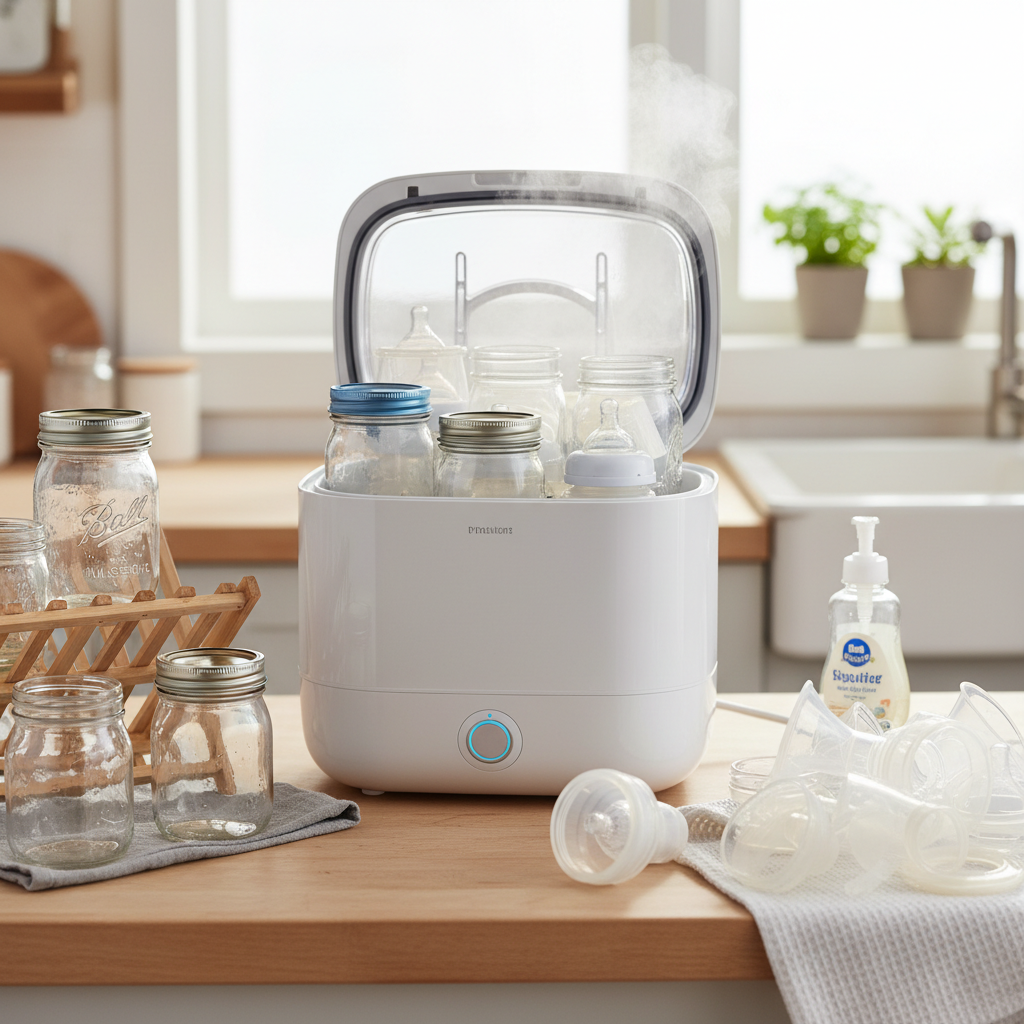
As a dedicated parent, ensuring your baby’s health and safety is paramount, especially when it comes to feeding. Breast milk, a precious source of nutrition, requires careful handling and storage to preserve its quality and protect your little one from harmful bacteria. While much attention is often given to sterilizing bottles and pump parts, the cleanliness of breast milk storage bags is equally vital. These flexible containers, designed for convenience, need a specific approach to sterilization to maintain milk integrity and prevent contamination.
Why Sterilize Breast Milk Storage Bags?
The delicate nature of breast milk and the developing immune system of your baby underscore the critical importance of proper hygiene. Sterilizing breast milk storage bags goes beyond simple washing; it’s about eliminating unseen bacteria and germs that could compromise your baby’s health. Breast milk, while naturally protective, can still become a breeding ground for bacteria if stored in inadequately sanitized containers.
Preventing bacterial growth is the primary goal. Contaminants can be introduced during pumping, handling, or even from the environment. Sterilization acts as a robust defense, significantly reducing the risk of your baby ingesting harmful pathogens. For parents, this translates into invaluable peace of mind, knowing that every ounce of milk stored is as safe and clean as possible. While many bags are designed for single-use, it’s crucial that even these are handled hygienically before first use, and reusable silicone bags absolutely require thorough sterilization between uses to ensure long-term safety and efficacy.
Methods for Sterilizing Breast Milk Storage Bags
Choosing the right sterilization method for your breast milk storage bags depends on the bag material, convenience, and your personal preferences. Each method offers distinct advantages and considerations.
Boiling Water
Boiling water is a traditional, cost-effective, and straightforward sterilization method. For heat-safe, reusable silicone breast milk storage bags or even unopened plastic ones that can withstand high temperatures, immersing them in boiling water for five to ten minutes can effectively kill most germs.
- Pros: Accessible, no special equipment needed, highly effective against most bacteria.
- Cons: Requires constant supervision, risk of burns, can potentially degrade some plastics over time, and bags might float, requiring them to be held down to ensure full submersion.
|
Our Picks for the Best Bottle sterilizer in 2026
As an Amazon Associate I earn from qualifying purchases.
|
||
| Num | Product | Action |
|---|---|---|
| 1 | Dr. Brown's All-in-One Sterilizer and Dryer for Baby Bottles, Parts and Other Newborn Essentials |

|
| 2 | Momcozy KleanPal Pro Baby Bottle Washer, Sterilizer & Dryer - All-in-One Cleaning Machine for Bottles, Pump Parts & Baby Essentials - Time-Saving & Effortless Care |
|
| 3 | Bottle Sterilizer and Dryer, 99.999% Deep Sterilization, 6-min Rapid Disinfection, Up to 12 Bottles, HEPA Filter, All-in-One for Baby Bottles, Breast Pump Parts & Newborn Essentials |
|
| 4 | HEYVALUE Ease-Steam Bottle Sterilizer, Compact Baby Bottle Sterilizer, Fast One-Touch Operation (Esterilizador de Biberones), Electric Sterilizer for Baby Bottles, Baby Essentials & Breast Pump Parts |
|
| 5 | Momcozy 3 Layers Large Bottle Sterilizer and Dryer, Fast Sterilize and Dry, Universal Bottle Sterilizer for All Bottles & Breast Pump Accessories, Touch Screen & Auto-Off Bottle Sanitizer |
|
| 6 | GROWNSY Bottle Sterilizer and Dryer, Compact Electric Steam Baby Bottle Sterilizer (Esterilizador de Biberones), Bottle Sanitizer for Baby Bottles, Pacifiers, Pump Parts |
|
| 7 | Momcozy Bottle Sterilizer and Dryer, Modular Nesting Space Saving Design, 6 Bottles Capacity, 4 in 1 Compact Sterilizer for Baby Bottles, Breast Pump Parts & Newborn Essentials, Drying Rack Included |
|
| 8 | Bottle Sterilizer, Baby Bottle Steam Sterilizer, Electric Baby Bottle Sanitizer with Timer for Baby Bottles, Pacifiers, Pump Parts |
|
| 9 | Papablic Baby Bottle Sterilizer and Dryer Pro, Esterilizador De Biberones, Electric Steam Sterilizer for Baby Bottles, Pacifiers, and Pump Parts, Large Capacity 10 Bottles |
|
| 10 | Bear Bottle Sterilizer and Dryer, 2 Layers Large Electric Steam Baby Bottle Sterilizer, Fast Bottle Sanitizer and Dryer for All Bottles & Accessories, Time-Saving Design |
|
Microwave Steam Sterilizer Bags
These innovative bags, often reusable for a set number of cycles, offer a quick and convenient way to sterilize breast milk storage bags, especially for busy parents or when traveling. You simply add a small amount of water to the bag with your items, seal it, and microwave for a few minutes. Brands like Medela offer such bags that are highly regarded for sterilizing pump parts, a method adaptable for heat-safe breast milk bags.
- Pros: Fast, portable, easy to use, effective steam sterilization.
- Cons: Requires a microwave, bags have a limited number of uses, may not fit very large quantities.
Electric Steam Sterilizers
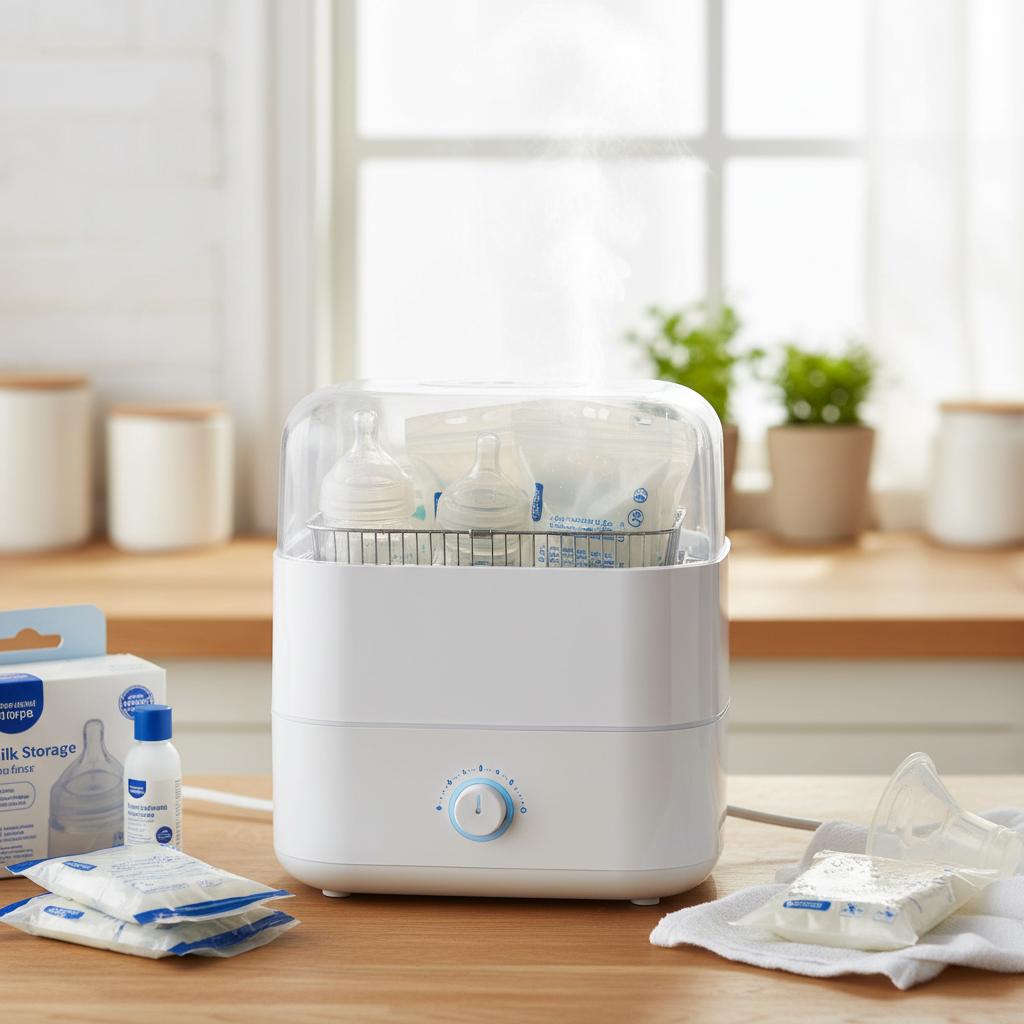
These countertop appliances are popular for sterilizing baby bottles and pump parts, and many can accommodate breast milk storage bags if they are made of heat-safe material and fit within the sterilizer’s capacity. They use intense steam to eliminate bacteria, often with a drying function that further ensures hygiene.
- Pros: High efficacy, chemical-free, often includes a drying cycle, large capacity for multiple items.
- Cons: Takes up counter space, higher initial cost, requires descaling with distilled water to prevent mineral buildup.
UV Sterilizers
Utilizing ultraviolet light to destroy germs, UV sterilizers offer a water-free and heat-free sterilization option. These devices are gentle on various materials and eliminate the need for drying. They come in various sizes, from portable bags to larger countertop units.
- Pros: No water or chemicals required, no drying time, gentle on materials, good for a range of baby items.
- Cons: Higher price point, effectiveness can vary depending on UV bulb quality and intensity, requires regular bulb replacement, can sometimes have limited capacity for oddly shaped items.
Cold Water Sterilization Tablets
For situations where heat or electricity is not available, or for very delicate items, cold water sterilization tablets provide a chemical-based solution. Tablets dissolve in water to create a sterilizing solution into which items are submerged for a recommended period.
- Pros: No electricity or heat needed, ideal for travel or emergencies, gentle on materials.
- Cons: Requires a specific container, involves chemicals (though baby-safe), items need to be completely submerged, and a slight chemical odor might remain.
Table Comparing Sterilization Methods for Breast Milk Storage Bags
| Feature | Boiling Water | Microwave Steam Bags | Electric Steam Sterilizers | UV Sterilizers | Cold Water Tablets |
|---|---|---|---|---|---|
| Cost | Very Low | Low | Medium to High | High | Low (recurring) |
| Speed | Medium | Fast | Medium | Fast | Slow |
| Effectiveness | High | High | Very High | High | High |
| Convenience | Low | High | Medium to High | High | Medium |
| Drying | Manual | Manual | Often Integrated | Not Required | Manual |
| Portability | Low | High | Low | Medium to High | High |
Key Considerations When Choosing a Sterilizer for Breast Milk Storage Bags
Selecting the ideal sterilization method for breast milk storage bags involves more than just picking a popular option. Thoughtful consideration of several factors will ensure you choose a solution that aligns with your needs and safeguards your baby’s milk supply.
- Bag Material Compatibility: This is perhaps the most crucial factor. Not all breast milk storage bags are created equal. Always check the manufacturer’s guidelines for your specific bags to ensure they are safe for the chosen sterilization method (e.g., heat-safe for boiling/steam, UV-safe for UV sterilizers). Many disposable bags are intended for single-use and might not withstand re-sterilization by heat or UV light. Reusable silicone bags are generally more durable.
- Capacity and Size: How many bags do you need to sterilize at once? If you pump frequently or store large quantities, a larger capacity electric sterilizer might be beneficial. For occasional use or travel, smaller microwave bags are more practical. Consider your kitchen space as well.
- Ease of Use and Speed: As a parent, time is a precious commodity. Look for methods that are quick and intuitive. Microwave steam bags offer rapid sterilization, while electric sterilizers often feature one-button operation and automatic cycles.
- Portability: For pumping moms who need to sterilize on the go, microwave steam bags or compact UV sterilizers are excellent choices that can easily fit into a diaper bag or work tote.
- Safety Features: Ensure the chosen sterilizer is BPA-free and incorporates safety measures like automatic shut-off to prevent overheating. When using steam, always handle with care to avoid steam burns.
- Cost and Lifespan: Consider both the initial investment and ongoing costs. While boiling is free, electric and UV sterilizers have higher upfront prices. Cold water tablets are inexpensive per use but are a recurring cost. Assess how long you plan to use the sterilizer and if a more durable option is worth the investment.
- Versatility: Many sterilizers are designed to handle more than just breast milk bags. If you also need to sterilize bottles, pump parts, pacifiers, and teething toys, a multi-purpose electric or UV sterilizer could be a more economical and space-saving choice.
Top Sterilization Solutions for Breast Milk Storage Bags
While dedicated “breast milk storage bag sterilizers” are rare, several effective solutions on the market can safely sanitize your bags, leveraging methods commonly used for other baby feeding items.
- Medela Quick Clean Micro-Steam Bags: These highly popular microwave steam bags are excellent for sterilizing breast pump parts, and can be used for heat-safe reusable silicone breast milk storage bags or even some disposable bags if their manufacturer permits. They are exceptionally portable and provide sterilization in just a few minutes, ideal for travel or work. Each bag is typically reusable for up to 20 cycles.
- Munchkin Steam Guard Microwave Bottle Sterilizer: While designed for bottles, this compact unit can effectively sterilize multiple heat-safe breast milk storage bags along with pump parts. It’s an affordable and space-saving option for microwave users.
- Papablic Electric Steam Sterilizer and Dryer: A versatile countertop appliance, the Papablic unit offers robust steam sterilization and a crucial drying function. Its large capacity and modular design mean it can easily accommodate numerous breast milk storage bags, especially reusable silicone ones, alongside bottles and pump components. The drying cycle helps prevent moisture buildup, which can lead to bacterial growth.
- Baby Brezza SuperFast Sterilizer Dryer: Known for its speed and efficiency, this electric steam sterilizer and dryer can process items in as little as 10 minutes. It’s a premium choice that effectively sterilizes and dries breast milk storage bags, pump parts, and bottles, offering convenience for busy parents.
- Grownsy UV Sterilizer and Dryer: For parents preferring a water-free method, a UV sterilizer like those from Grownsy can effectively sanitize breast milk storage bags. These units often come with a drying function and are gentle on materials, making them suitable for various types of bags and baby items without the need for water or descaling.
How to Properly Sterilize Breast Milk Storage Bags
Regardless of the method you choose, proper technique is essential to ensure effective sterilization and maintain the safety of your breast milk.
- Pre-Cleaning: Always clean reusable breast milk storage bags thoroughly with warm soapy water and a dedicated brush (if suitable) before sterilization. Even if they appear clean, residue can harbor bacteria and interfere with the sterilization process. For single-use bags, ensure they are new and come from a clean, sealed package.
- Follow Manufacturer Instructions: Crucially, always adhere to the sterilization instructions provided by both the breast milk storage bag manufacturer and the sterilizer manufacturer. This ensures compatibility and effective use.
- Load Correctly: Arrange bags and any other items in the sterilizer or boiling pot to allow maximum exposure to steam, UV light, or water. Avoid overcrowding. For microwave steam bags, ensure water is added as instructed and the bag is properly sealed.
- Complete the Cycle: Allow the sterilization cycle to run its full course. Do not interrupt it prematurely.
- Safe Removal: After sterilization, be extremely cautious when removing items, especially from hot steam sterilizers. Use clean, heat-proof tongs to handle items and prevent re-contamination from your hands.
- Air Dry Thoroughly: If your sterilizer doesn’t have a drying function, place the sterile bags on a clean, unused drying rack in a clean, dust-free environment. Do not use a towel to dry them, as this can reintroduce germs. Ensure bags are completely dry before storing or filling with breast milk to prevent bacterial growth.
Important Notes on Using Sterilization Methods with Breast Milk Storage Bags
- Check Bag Material: Always verify that your breast milk storage bags are compatible with your chosen sterilization method. Some bags are not designed for high heat or UV exposure and may degrade or release chemicals.
- Avoid Overfilling: Whether boiling or using a steam sterilizer, do not overcrowd the unit. Proper air or water circulation is necessary for effective sterilization.
- Prevent Burns: Steam sterilizers, especially those for microwaves or electric units, can release very hot steam upon opening. Always open lids away from your face and body. Allow items to cool slightly before handling.
- Regular Cleaning: Keep your sterilizer itself clean. For steam sterilizers, regular descaling with a vinegar solution helps prevent mineral buildup, which can affect efficiency. Follow the manufacturer’s cleaning recommendations.
- Immediate Use or Sterile Storage: Once sterilized, use bags immediately or store them in a clean, airtight container to maintain sterility. Some electric sterilizers offer a sterile storage function for a certain period.
“Ensuring every component that touches breast milk is impeccably clean is a cornerstone of infant health. While reusable silicone bags benefit significantly from advanced sterilizers, even single-use bags require careful handling to maintain their sterile integrity.” – Sarah Miller, Pediatric Lactation Consultant
Conclusion
Choosing the best method to sterilize breast milk storage bags is a vital step in safeguarding your baby’s health and preserving the nutritional value of your breast milk. From traditional boiling to modern electric, UV, and convenient microwave steam bags, a range of options is available to suit every lifestyle and need. Prioritizing material compatibility, ease of use, and effective germ elimination will help you make an informed decision. Remember that a clean storage bag is a safe storage bag, contributing to your peace of mind and your baby’s well-being.
What sterilization method gives you the most confidence in preparing breast milk for your little one?
Frequently Asked Questions
Can I sterilize disposable breast milk storage bags?
Most disposable breast milk storage bags are intended for single-use and are pre-sterilized. Re-sterilizing them is generally not recommended as the material may not withstand high heat or UV light and could degrade, potentially compromising the bag’s integrity or leaching unwanted chemicals. Always check the specific bag manufacturer’s instructions.
How often should I sterilize reusable breast milk storage bags?
Reusable silicone breast milk storage bags should be thoroughly washed with warm, soapy water and then sterilized after each use to prevent bacterial growth and ensure maximum hygiene for subsequent use. This is crucial for maintaining your baby’s health.
Is it safe to use a bottle sterilizer for breast milk storage bags?
Yes, many electric and microwave bottle sterilizers are versatile enough to sterilize breast milk storage bags, especially reusable silicone ones, along with pump parts and other baby accessories. Ensure the bags are heat-safe and fit properly within the sterilizer to allow for effective steam circulation.
Do I need to dry breast milk storage bags after sterilizing?
Absolutely. After any wet sterilization method (boiling, steam, cold water), it is critical to air dry breast milk storage bags completely on a clean rack. Moisture left inside can promote bacterial growth, negating the sterilization effort. UV sterilizers offer a dry method, eliminating this step.
What is the fastest way to sterilize breast milk storage bags?
Microwave steam sterilizer bags, like the Medela Quick Clean Micro-Steam Bags, offer one of the fastest ways to sterilize breast milk storage bags and pump parts, often completing a cycle in just a few minutes. Electric steam sterilizers with quick cycle times are also very efficient.