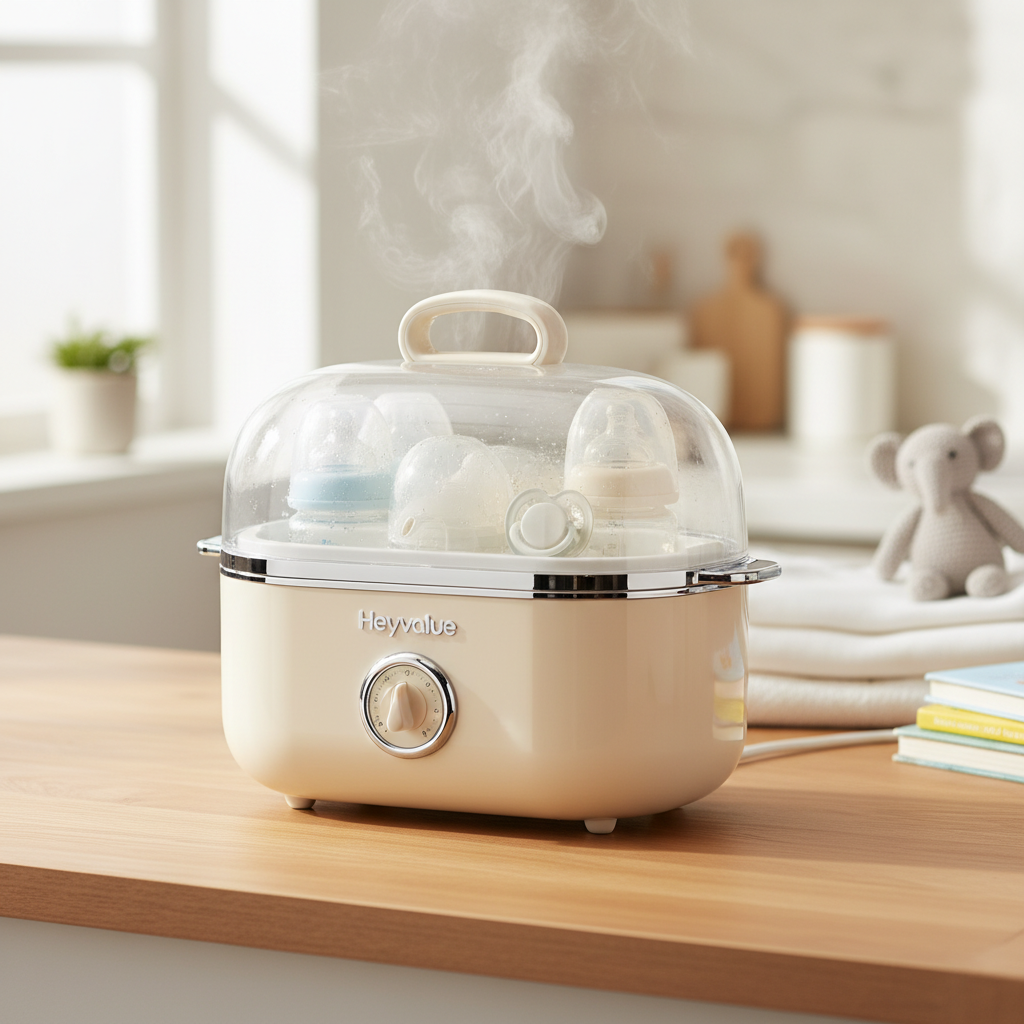
Ensuring the highest level of hygiene for your baby’s feeding equipment or medical instruments is paramount. Sterilizers, especially those relying on steam, play a critical role in eliminating harmful germs and bacteria. However, the effectiveness and lifespan of these vital appliances are heavily influenced by a seemingly minor detail: the type of water you use. Ignoring this can lead to diminished performance, costly damage, and compromise the very cleanliness you’re striving to achieve. This article delves into the crucial reasons why distilled water is not just a recommendation, but a necessity for your sterilizer.
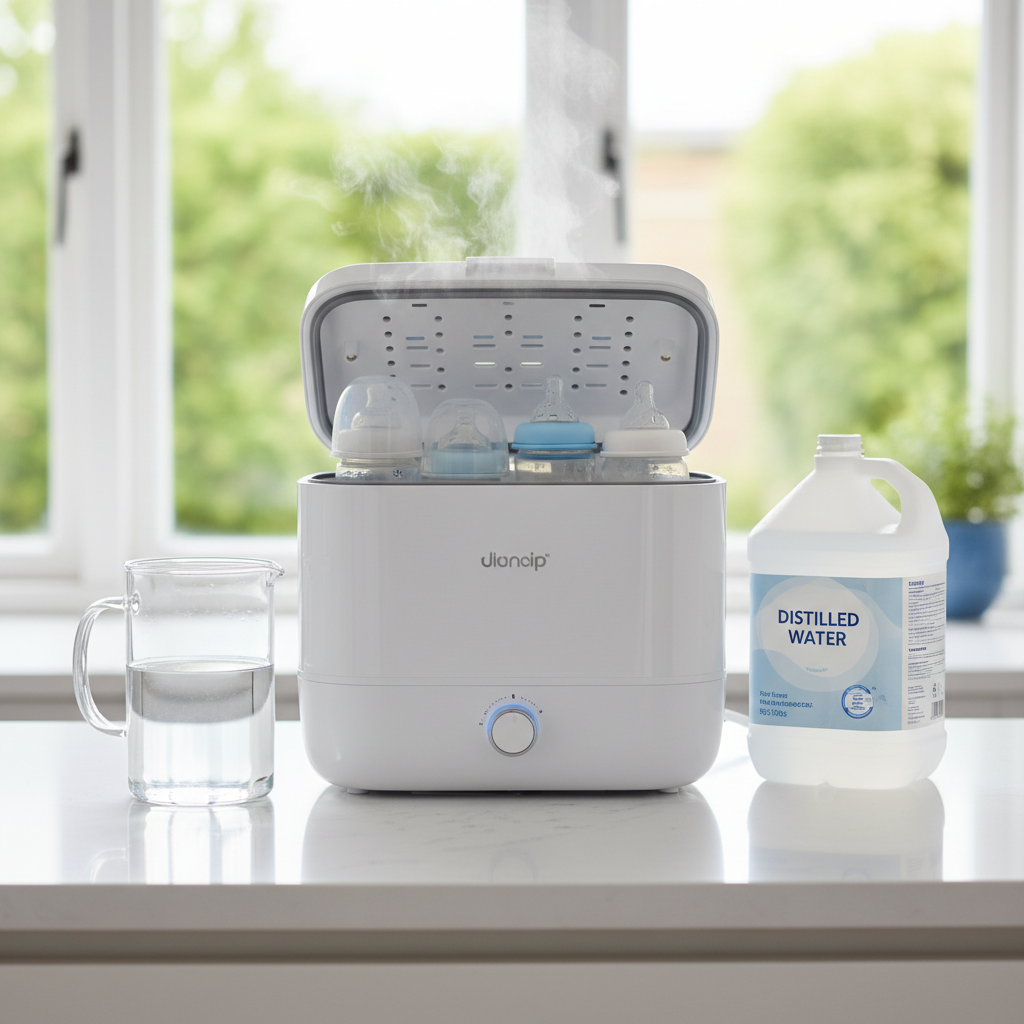
The Unseen Threat: Why Water Quality Matters in Sterilization
Sterilization, particularly steam sterilization, is a robust method for eradicating microorganisms from surfaces. For parents, this means safeguarding their infants from infections by thoroughly cleaning and sterilizing baby bottles, pacifiers, and pump parts. In professional settings, medical and dental instruments rely on rigorous sterilization protocols to prevent cross-contamination. While the sterilizer itself is designed for high performance, the quality of the water it uses acts as the silent partner, either enhancing its efficiency or sabotaging it.
Tap water, commonly used in households, is far from pure. It contains various dissolved minerals such as calcium, magnesium, and iron, along with other impurities like chlorine and sediment. While these may be harmless for drinking, they pose a significant threat when heated repeatedly in a steam sterilizer. These impurities do not evaporate with the water; instead, they are left behind, accumulating as troublesome deposits that can severely impede your appliance’s function and longevity.
The Science of Purity: What is Distilled Water and Why It’s Superior
Distilled water is created through a process that mimics the natural water cycle. Water is heated to its boiling point, turning into steam, which leaves behind virtually all contaminants. This steam is then cooled and condensed back into liquid form, resulting in water that is exceptionally pure, free from minerals, ions, and other dissolved solids. This meticulous purification process is what makes distilled water uniquely suited for sterilizers.
Unlike tap water, boiled water, or even some filtered waters, distilled water offers unparalleled purity. Boiling tap water, for instance, kills bacteria and viruses but does not remove the dissolved minerals that cause scale buildup. Mineral water, as its name suggests, is rich in minerals and therefore unsuitable. Reverse osmosis (RO) water, while purer than tap water, may still contain trace amounts of uncharged ions and other contaminants, making it less ideal for steam sterilizers than distilled water. Deionized (DI) water is another good option, as it removes charged ions, but the distillation process generally achieves a higher level of overall purity, making it the top choice for sterilizer applications.
Protecting Your Investment: How Distilled Water Extends Sterilizer Lifespan
One of the most compelling reasons to use distilled water is to protect your investment in the sterilizer itself. The mineral content in tap water, when repeatedly heated and evaporated, leads to the formation of limescale or mineral buildup. This white, chalky residue can accumulate on heating elements, internal pipes, and sensors, creating a cascade of problems.
Mineral buildup acts as an insulator, forcing the heating element to work harder and consume more energy to reach the required temperatures. Over time, this excessive strain can lead to overheating and premature failure of components. The delicate internal tubing and valves, essential for steam circulation, can become clogged, impairing the sterilizer’s ability to generate and distribute steam effectively. Furthermore, sensors responsible for monitoring temperature and pressure can become coated with scale, leading to inaccurate readings and potentially unsafe or incomplete sterilization cycles. By using distilled water, you virtually eliminate the source of these deposits, significantly reducing wear and tear, minimizing the need for frequent descaling, and extending the operational life of your appliance.
Optimal Sterilization: Ensuring Efficacy with Distilled Water
Beyond safeguarding the machine, distilled water plays a direct role in the efficacy of the sterilization process. For steam sterilizers, achieving and maintaining precise temperatures and pressures is crucial for effectively destroying germs and bacteria. Mineral buildup from tap water can interfere with this delicate balance, leading to inconsistent steam production and potentially compromising the sterilization cycle. If the sterilizer cannot reach or sustain the necessary conditions, the items inside may not be truly sterile, undermining the entire purpose of the appliance.
Moreover, using tap water can leave behind unsightly and potentially unsanitary water spots or mineral residues on your sterilized items, whether they are baby bottles, breast pump parts, or dental instruments. While these residues may not always be harmful, they contradict the very idea of thorough cleanliness and can be difficult to remove. Distilled water ensures that the steam produced is clean, leaving no residue behind, and guaranteeing that your sterilized items emerge spotless and genuinely hygienic, providing true peace of mind.
Types of Sterilizers and Their Water Needs
Understanding the different types of sterilizers helps in appreciating the importance of water quality.
- Steam Sterilizers (including most Bottle Sterilizers and Autoclaves): These are the primary beneficiaries of distilled water. Whether a tabletop sterilizer for baby bottles or a professional autoclave, any device that heats water to produce steam relies heavily on the purity of that water. The issues of mineral buildup and compromised efficacy are most prevalent here.
- UV Sterilizers: These devices use ultraviolet light to kill germs and do not require water. Therefore, water type is not a consideration for UV sterilizers.
- Microwave Steam Sterilizers: These units use your microwave to heat water and create steam. While the container itself is simpler, the principles remain: using distilled water will prevent mineral buildup inside the container and on the items being sterilized, ensuring cleaner results and easier maintenance.
- Multi-Function Sterilizers (often with Drying): Many modern sterilizers combine steam sterilization with a drying function. For the steam sterilization component, distilled water is still highly recommended to protect the internal mechanisms and ensure residue-free drying.
A Detailed Look: When NOT to Use Other Water Types
To further emphasize the importance of distilled water, let’s briefly revisit why other common water types are unsuitable for steam sterilizers:
- Tap Water: As discussed, its high mineral content leads to rapid limescale buildup, system clogs, reduced efficiency, and potential damage to components.
- Boiled Water: While boiling kills microorganisms, it concentrates the existing minerals, accelerating scale formation in your sterilizer.
- Mineral Water: Intentionally rich in dissolved minerals, making it even worse than tap water for sterilizer use.
- Reverse Osmosis (RO) Water: Although it removes many impurities, RO water often retains some dissolved solids and uncharged ions that can still contribute to scale over time, especially in sensitive medical-grade autoclaves. Distilled water offers a superior level of purity.
- Deionized (DI) Water: A very good alternative to distilled water, as it removes charged ions. However, it might not remove non-ionic organic compounds and, in some cases, may be slightly less effective than distilled water in preventing all forms of mineral deposits over extended periods.
Choosing the Right Sterilizer: A Water-Wise Buying Guide
When selecting a sterilizer, especially if you opt for a steam-based model, consider its compatibility with distilled water and the implications for maintenance.
- Manufacturer Recommendations: Always prioritize sterilizers whose manufacturers explicitly recommend or require distilled water. This indicates their design accounts for water purity.
- Ease of Maintenance: While distilled water drastically reduces descaling needs, some sterilizers are easier to clean and descale than others if you occasionally use less pure water or live in an area with extremely soft tap water.
- Type of Sterilization: If you’re concerned about water quality entirely, a UV sterilizer eliminates the issue, though it operates on a different principle and might not be suitable for all items or needs. For steam sterilizers, however, commit to distilled water from the start.
Maximizing Your Sterilizer’s Performance: Usage and Maintenance Tips
To get the best out of your sterilizer and prolong its life, here are some key tips:
- Always Read the Manual: Every sterilizer is different. Adhere strictly to the manufacturer’s instructions regarding water type, fill levels, and maintenance schedules.
- Use Distilled Water Consistently: Make it a habit. This is the single most effective way to prevent mineral buildup and ensure consistent performance.
- Regular Cleaning: Even with distilled water, occasional wiping down of the sterilizer’s interior to remove any potential dust or minor residues is a good practice.
- Descaling (If Necessary): If you’ve previously used tap water, or if your sterilizer indicates it, follow the manufacturer’s descaling procedure using appropriate descaling solutions to remove existing mineral deposits.
- Allow to Cool: Always let the sterilizer cool down completely before handling or opening to prevent burns and allow any remaining moisture to evaporate or be collected.
“Using distilled water isn’t just a recommendation; it’s a fundamental practice to ensure the longevity and peak performance of any steam sterilizer. It directly impacts the unit’s ability to maintain high temperatures and pressures, which are critical for effective sterilization.” – Admin, ReviewsLi.com Technical Expert
Conclusion
The choice of water for your sterilizer might seem trivial, but its impact is profound. Opting for distilled water is a simple yet powerful decision that safeguards your appliance from damaging mineral buildup, extends its lifespan, and most importantly, ensures that every sterilization cycle is as effective and reliable as possible. For the peace of mind that comes with genuinely sterile items and a well-maintained appliance, making distilled water your sterilizer’s constant companion is an essential step. Have you considered the long-term benefits of using distilled water in your current sterilizer, and what changes might you implement today?
Frequently Asked Questions
Is it really necessary to use distilled water in all types of sterilizers?
|
Our Picks for the Best Bottle sterilizer in 2026
As an Amazon Associate I earn from qualifying purchases.
|
||
| Num | Product | Action |
|---|---|---|
| 1 | Momcozy KleanPal Pro Baby Bottle Washer, Sterilizer & Dryer - All-in-One Cleaning Machine for Bottles, Pump Parts & Baby Essentials - Time-Saving & Effortless Care |

|
| 2 | Momcozy 3 Layers Large Bottle Sterilizer and Dryer, Fast Sterilize and Dry, Universal Bottle Sterilizer for All Bottles & Breast Pump Accessories, Touch Screen & Auto-Off Bottle Sanitizer |
|
| 3 | Bear Bottle Sterilizer and Dryer, 2 Layers Large Electric Steam Baby Bottle Sterilizer, Fast Bottle Sanitizer and Dryer for All Bottles & Accessories, Time-Saving Design |
|
| 4 | Bottle Sterilizer, Baby Bottle Steam Sterilizer, Electric Baby Bottle Sanitizer with Timer for Baby Bottles, Pacifiers, Pump Parts |
|
| 5 | Dr. Brown's All-in-One Sterilizer and Dryer for Baby Bottles, Parts and Other Newborn Essentials |
|
| 6 | HEYVALUE Ease-Steam Bottle Sterilizer, Compact Baby Bottle Sterilizer, Fast One-Touch Operation (Esterilizador de Biberones), Electric Sterilizer for Baby Bottles, Baby Essentials & Breast Pump Parts |
|
| 7 | Papablic Baby Bottle Sterilizer and Dryer Pro, Esterilizador De Biberones, Electric Steam Sterilizer for Baby Bottles, Pacifiers, and Pump Parts, Large Capacity 10 Bottles |
|
| 8 | Bottle Sterilizer and Dryer, 99.999% Deep Sterilization, 6-min Rapid Disinfection, Up to 12 Bottles, HEPA Filter, All-in-One for Baby Bottles, Breast Pump Parts & Newborn Essentials |
|
| 9 | GROWNSY Bottle Sterilizer and Dryer, Compact Electric Steam Baby Bottle Sterilizer (Esterilizador de Biberones), Bottle Sanitizer for Baby Bottles, Pacifiers, Pump Parts |
|
| 10 | Momcozy Bottle Sterilizer and Dryer, Modular Nesting Space Saving Design, 6 Bottles Capacity, 4 in 1 Compact Sterilizer for Baby Bottles, Breast Pump Parts & Newborn Essentials, Drying Rack Included |
|
While UV sterilizers do not require water, it is highly recommended and often necessary to use distilled water in all steam-based sterilizers, including bottle sterilizers and autoclaves, to prevent mineral buildup, extend the appliance’s lifespan, and ensure effective sterilization.
What are the immediate signs that I’m not using the right water in my steam sterilizer?
You might notice white, chalky residue (limescale) accumulating on the heating plate or internal surfaces, water spots on the sterilized items, or the sterilizer taking longer to heat up or completing cycles less efficiently.
Can I use filtered tap water instead of distilled water?
No, filtered tap water, even from advanced home filters, typically does not remove enough dissolved minerals to prevent scale buildup in steam sterilizers. Distillation is a specific purification process that ensures the highest purity level required.
How often should I descale my sterilizer if I use distilled water?
If you consistently use distilled water, descaling needs will be significantly reduced, possibly to once a year or even less, depending on usage. Always refer to your sterilizer’s manual for specific maintenance recommendations.
Does using distilled water make sterilization more effective at killing germs?
While distilled water doesn’t directly kill more germs than tap water, it prevents mineral buildup that can hinder your sterilizer’s performance. By ensuring optimal steam temperature and pressure, distilled water helps the sterilizer achieve its intended germ-killing efficacy without interference.
Where can I buy distilled water for my sterilizer?
Distilled water is readily available at most grocery stores, pharmacies, and big-box retailers. It is typically found in the bottled water or cleaning supplies aisles.