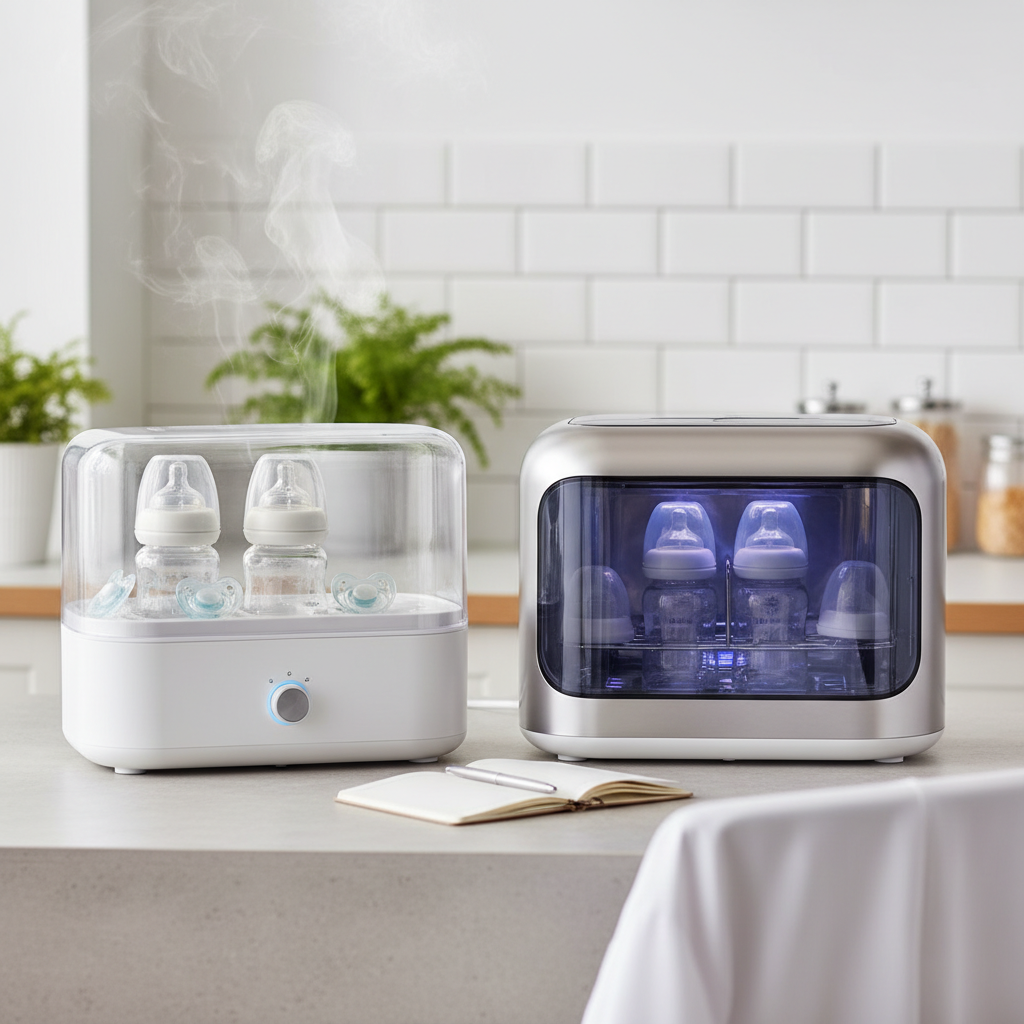
Preparing baby bottles is a daily ritual for parents, and ensuring they are meticulously clean and sterile is paramount for a baby’s health. The process of sterilization, however, can vary significantly in duration, often presenting parents with a choice between lightning-fast 5-minute cycles and more comprehensive 45-minute (or longer) programs. This difference isn’t merely about speed; it reflects fundamental variations in technology, functionality, and the level of convenience offered. Understanding the distinctions between these cycle times is crucial for selecting a bottle sterilizer that perfectly integrates into your family’s busy routine and meets your little one’s needs.
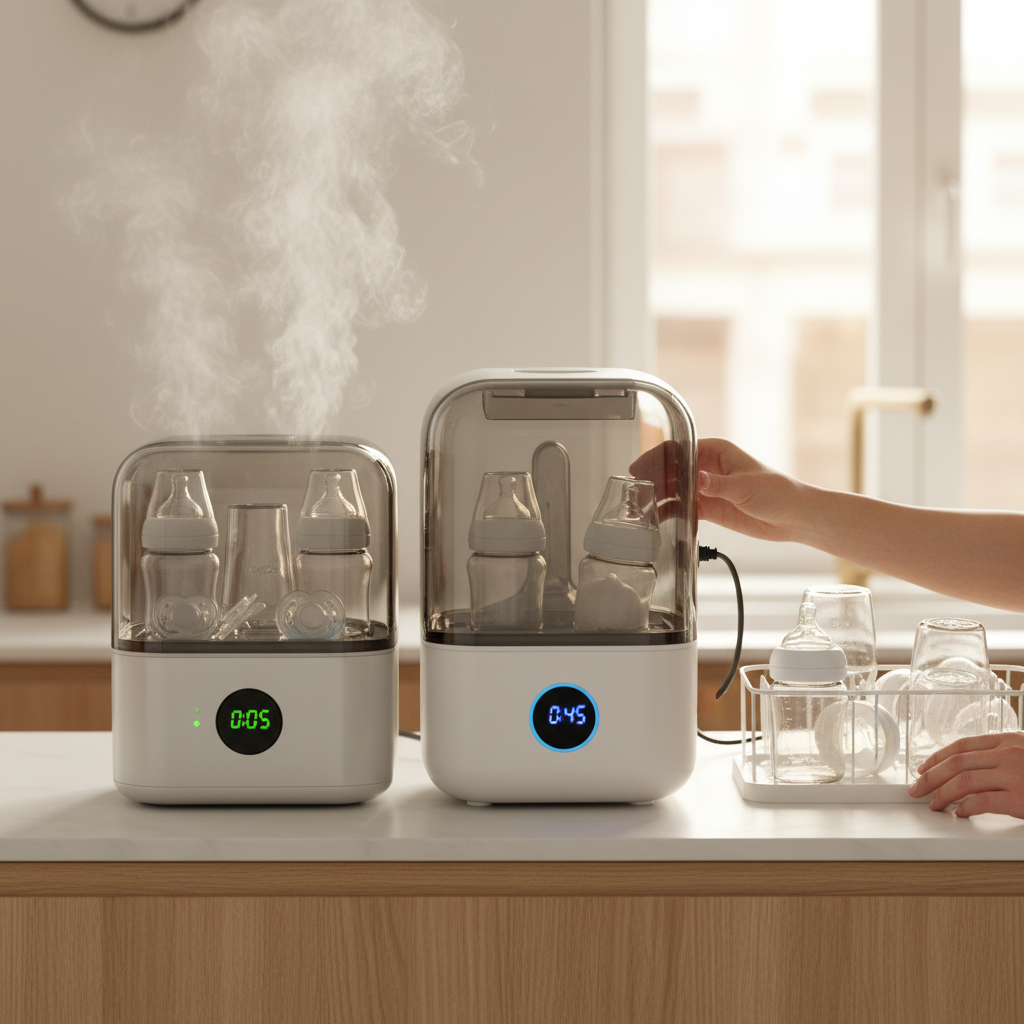
Why Bottle Sterilization is Essential
The delicate immune systems of newborns and infants make them particularly vulnerable to harmful bacteria and viruses. Milk residue, even after thorough washing, can harbor germs that multiply rapidly. Sterilization goes beyond cleaning, utilizing heat or UV light to eliminate 99.9% of these pathogens, safeguarding your baby from gastrointestinal issues and infections. While traditional methods like boiling were once common, modern bottle sterilizers offer a more efficient and reliable solution, transforming a tedious chore into a seamless part of daily baby care.
Understanding Different Bottle Sterilizer Types and Their Cycle Times
The duration of a sterilization cycle is primarily dictated by the technology employed and whether it includes a drying phase. Different sterilizer types offer distinct advantages regarding speed and convenience.
Steam Sterilizers (Electric and Microwave)
Steam sterilization is a widely popular method, leveraging intense heat to effectively kill germs.
- Electric Steam Sterilizers: These countertop appliances heat water to create steam, enveloping bottles and accessories. A sterilization-only cycle typically takes 5 to 15 minutes. These units are efficient for quick sanitization when bottles can air-dry afterwards or when immediate drying isn’t a priority.
- Microwave Steam Sterilizers: Designed to be used within a microwave, these units offer a compact and often even faster sterilization option, with cycles ranging from 2 to 8 minutes depending on your microwave’s wattage. They are ideal for parents with limited counter space or those needing to sterilize just a few items rapidly. Both electric and microwave steam sterilizers are known for their high effectiveness in germ elimination.
|
Our Picks for the Best Bottle sterilizer in 2026
As an Amazon Associate I earn from qualifying purchases.
|
||
| Num | Product | Action |
|---|---|---|
| 1 | Bottle Sterilizer and Dryer, 99.999% Deep Sterilization, 6-min Rapid Disinfection, Up to 12 Bottles, HEPA Filter, All-in-One for Baby Bottles, Breast Pump Parts & Newborn Essentials |

|
| 2 | Momcozy Bottle Sterilizer and Dryer, Modular Nesting Space Saving Design, 6 Bottles Capacity, 4 in 1 Compact Sterilizer for Baby Bottles, Breast Pump Parts & Newborn Essentials, Drying Rack Included |
|
| 3 | Bottle Sterilizer, Baby Bottle Steam Sterilizer, Electric Baby Bottle Sanitizer with Timer for Baby Bottles, Pacifiers, Pump Parts |
|
| 4 | Bear Bottle Sterilizer and Dryer, 2 Layers Large Electric Steam Baby Bottle Sterilizer, Fast Bottle Sanitizer and Dryer for All Bottles & Accessories, Time-Saving Design |
|
| 5 | Momcozy KleanPal Pro Baby Bottle Washer, Sterilizer & Dryer - All-in-One Cleaning Machine for Bottles, Pump Parts & Baby Essentials - Time-Saving & Effortless Care |
|
| 6 | Papablic Baby Bottle Sterilizer and Dryer Pro, Esterilizador De Biberones, Electric Steam Sterilizer for Baby Bottles, Pacifiers, and Pump Parts, Large Capacity 10 Bottles |
|
| 7 | HEYVALUE Ease-Steam Bottle Sterilizer, Compact Baby Bottle Sterilizer, Fast One-Touch Operation (Esterilizador de Biberones), Electric Sterilizer for Baby Bottles, Baby Essentials & Breast Pump Parts |
|
| 8 | Momcozy 3 Layers Large Bottle Sterilizer and Dryer, Fast Sterilize and Dry, Universal Bottle Sterilizer for All Bottles & Breast Pump Accessories, Touch Screen & Auto-Off Bottle Sanitizer |
|
| 9 | GROWNSY Bottle Sterilizer and Dryer, Compact Electric Steam Baby Bottle Sterilizer (Esterilizador de Biberones), Bottle Sanitizer for Baby Bottles, Pacifiers, Pump Parts |
|
| 10 | Dr. Brown's All-in-One Sterilizer and Dryer for Baby Bottles, Parts and Other Newborn Essentials |
|
UV Sterilizers
Utilizing ultraviolet-C (UV-C) light, UV sterilizers destroy the DNA of germs without the need for water or heat.
- UV Sterilizers: Sterilization-only cycles can be quite fast, often completing in 5 to 10 minutes. This method is particularly appealing for its quiet operation and the ability to sterilize items that may not withstand high heat, like electronics or certain toys. However, some UV sterilizers, particularly those with combined sanitizing and drying functions, can have total cycle times upwards of 60 minutes to 80 minutes, with the drying process alone taking a significant portion of that time. The efficacy of UV light depends on direct exposure, meaning proper placement of items is crucial.
Integrated Sterilizer-Dryers (All-in-One)
The increasingly popular integrated sterilizer-dryers combine the power of steam or UV sterilization with a crucial drying function, eliminating the need for air-drying.
- Sterilize-Plus-Dry Cycles: These are the models where you’ll most commonly encounter the longer 45-minute cycles. A typical program might involve an initial 8-10 minute steam sterilization, followed by a 30, 45, or 60-minute hot air drying cycle. The total duration for these all-in-one solutions can range from 30 minutes for a half-load to well over an hour for a full wash-sterilize-dry cycle, depending on the specific model and humidity levels in your environment. These longer cycles offer unparalleled convenience, delivering ready-to-use, dry, and sterile bottles, and often keeping them sterile for an extended period if the lid remains closed.
Comparison: 5-Minute vs. 45-Minute Cycles
The choice between a fast 5-minute cycle and a more extended 45-minute cycle boils down to your priorities: speed for immediate use or comprehensive convenience.
| Feature | 5-Minute Cycle (Sterilization Only) | 45-Minute Cycle (Sterilize + Dry) |
|---|---|---|
| Technology | Typically electric steam, microwave steam, or quick UV cycles | Integrated steam/UV sterilizer-dryers |
| Primary Benefit | Rapid sanitization for immediate needs | Complete sanitization and drying, ready for storage or immediate use |
| Process | Sterilizes items | Sterilizes and then thoroughly dries items with hot air |
| Output | Sterile but wet items, requiring air-drying | Sterile and dry items, ready to use or store |
| Convenience | High for quick sterilization, but requires manual drying | Extremely high, completely hands-off process from start to finish |
| Time Saved | Saves time on sterilization, but adds time for manual drying | Saves significant time on overall bottle preparation, including drying |
| Cost | Often found in more budget-friendly, basic sterilizers | Typically in higher-priced, feature-rich models |
| Best For | Parents needing quick sterilization, perhaps with multiple sterilizers, or those who don’t mind air drying. | Parents prioritizing ultimate convenience, less manual work, and sterile storage. |
Key Factors When Choosing a Bottle Sterilizer
Selecting the ideal bottle sterilizer involves weighing several critical criteria to match your lifestyle and needs.
- Cycle Time Preference: Do you need bottles ready in minutes, or do you prefer an automated, longer cycle that delivers dry, sterile items? A 5-minute cycle is excellent for on-demand sterilization of a few items, while a 45-minute cycle is perfect for bulk sterilizing and drying a day’s worth of bottles.
- Drying Function: If you dread air-drying or worry about re-contamination from wet surfaces, a sterilizer with an integrated drying cycle (like the ones typically offering 45-minute cycles) is a game-changer.
- Capacity and Size: Consider how many bottles and accessories you sterilize daily. Larger families or those with multiple feeding sessions will benefit from higher-capacity units, which often come with longer cycles to accommodate the load. Also, measure your counter space to ensure the unit fits comfortably.
- Material Safety: Always opt for sterilizers made from BPA-free materials to ensure no harmful chemicals leach into your baby’s feeding equipment during the heating process.
- Ease of Use and Maintenance: Look for intuitive controls and simple cleaning requirements. Machines that are easy to descale (for steam sterilizers) or have clear instructions for UV bulb replacement (for UV sterilizers) will save you hassle in the long run.
- Budget: Generally, basic steam sterilizers with shorter, sterilization-only cycles are more affordable, while feature-rich sterilizer-dryers with longer, automated cycles command a higher price point.
- Brand Reputation and Warranty: Investing in products from reputable brands often guarantees better quality, reliability, and customer support.
“For parents, every minute counts. While a quick 5-minute sterilization offers immediate peace of mind, the convenience of a 45-minute sterilize-and-dry cycle often outweighs the extra time for busy families, transforming a wet, sterile bottle into one that’s dry and ready to use.” – Dr. Elena Petrova, Pediatric Health Specialist
Top Bottle Sterilizers for Varied Cycle Times
The market offers a range of excellent sterilizers, catering to both quick sterilization needs and comprehensive sterilize-and-dry preferences.
-
For Fast Sterilization (5-15 minutes):
- Philips Avent Electric Steam Sterilizer: Known for its straightforward design and reliable 8-minute steam sterilization cycle. It’s a popular choice for effective, no-frills sanitization.
- Munchkin Latch Microwave Sterilizer: Offers ultra-fast microwave steam sterilization, often completing a cycle in 2-6 minutes, making it highly convenient for small batches or travel.
-
For Comprehensive Sterilize-and-Dry (45+ minutes):
- Baby Brezza One Step Sterilizer Dryer: A highly favored model that steam sterilizes in about 8 minutes, followed by a customizable drying cycle (often 45 or 60 minutes), delivering perfectly dry and sterile bottles.
- Papablic Steam Sterilizer and Dryer: Similar to the Baby Brezza, this unit offers an 8-minute steam sterilization followed by adjustable drying times (45 or 60 minutes), ensuring bottles are ready for immediate use or storage.
- Grownsy UV Bottle Sterilizer & Dryer: While UV sterilization can be quick, many Grownsy models offer full auto cycles that combine UV sanitization with drying, resulting in total cycles around 60-80 minutes, providing a water-free sterilization and drying solution.
How to Use and Maintain Your Bottle Sterilizer
Regardless of its cycle time, proper use and maintenance are key to maximizing your sterilizer’s efficiency and lifespan.
Usage Instructions
- Clean First: Always wash bottles, nipples, and accessories thoroughly with soap and water to remove milk residue before placing them in the sterilizer. Sterilization kills germs but doesn’t remove physical dirt.
- Load Correctly: Arrange items to ensure steam or UV light can reach all surfaces. Avoid overcrowding. For steam sterilizers, add the recommended amount of distilled water to prevent mineral buildup.
- Select Cycle: Choose the appropriate cycle (sterilize-only, dry-only, or sterilize+dry).
- Operate Safely: Do not open the lid during a steam cycle to avoid burns. Allow items to cool before handling.
- Store Properly: If your sterilizer has a sterile storage function, keep the lid closed to maintain sterility for up to 24-72 hours.
Maintenance Tips
- Descaling (Steam Sterilizers): Regular descaling with citric acid or white vinegar is crucial for steam sterilizers, especially in hard water areas, to prevent mineral buildup that can reduce efficiency.
- Cleaning: Wipe down the sterilizer interior and exterior regularly. For UV sterilizers, ensure the UV lamp and interior surfaces are clean for optimal light transmission.
- UV Bulb Replacement: For UV sterilizers, follow the manufacturer’s recommendations for replacing UV bulbs, typically every 6-12 months, to ensure continued effectiveness.
Important Considerations for Safe and Effective Sterilization
Ensuring your baby’s bottles are truly safe requires adherence to best practices. Always prioritize safety and hygiene.
- Read the Manual: Always consult your sterilizer’s instruction manual for specific guidelines on usage, capacity, water levels, and maintenance.
- Pre-Clean Thoroughly: Sterilization is the final step; it’s not a substitute for proper washing.
- Avoid Contamination: Once sterilized, avoid touching the interior of bottles or nipples with unwashed hands. Use sterile tongs if provided.
- Temperature and Drying: For steam sterilizers, allow bottles to cool completely after a sterilization-only cycle before handling. For sterilizer-dryers, ensure items are thoroughly dry before removing them to prevent germ regrowth.
- When to Sterilize: The CDC recommends sterilizing bottles until babies are at least two months old, or longer for premature infants or those with weakened immune systems.
Conclusion
Choosing between a 5-minute and a 45-minute bottle sterilizer cycle ultimately depends on your parenting style and daily demands. The rapid 5-minute sterilization offers quick sanitization, ideal for on-the-spot needs, though it typically requires manual drying. In contrast, the longer 45-minute (or more) sterilize-and-dry cycles provide unparalleled hands-off convenience, delivering ready-to-use, dry bottles that can often remain sterile for extended periods.
By understanding the distinct advantages of each approach and evaluating factors like capacity, drying functionality, and your daily routine, you can confidently select the perfect bottle sterilizer to keep your baby safe and simplify your life. What cycle time best aligns with your family’s dynamic?
Frequently Asked Questions
Is a 5-minute sterilization cycle truly effective?
Yes, a 5-minute sterilization cycle using steam or UV light is highly effective at killing 99.9% of germs when items are properly pre-cleaned and loaded. These cycles focus purely on sanitization, making them excellent for quick disinfection.
Why do some bottle sterilizers take 45 minutes or longer?
Sterilizers that take 45 minutes or more typically include a thorough drying cycle in addition to sterilization. After steam or UV sanitization, hot air circulates to completely dry the bottles and accessories, ensuring they are ready for immediate use or sterile storage without manual intervention.
Can I use a 5-minute sterilizer for large batches of bottles?
While effective, a 5-minute sterilizer may not be ideal for very large batches if it lacks capacity or requires multiple short cycles. Additionally, you’ll need to manually air-dry all items, which can be time-consuming for many bottles.
Do I need a drying function in my bottle sterilizer?
A drying function, found in models with longer cycles, significantly enhances convenience by eliminating the need for air-drying, which can introduce contaminants. It ensures bottles are dry, sterile, and ready for immediate use or storage, saving parents valuable time and effort.
Is there a difference in germ-killing effectiveness between short and long cycles?
The primary sterilization phase, whether 5 minutes or part of a longer cycle, is designed to be equally effective at eliminating germs. The difference in total time comes from added features like drying, not from increased sterilization efficacy during the initial phase.