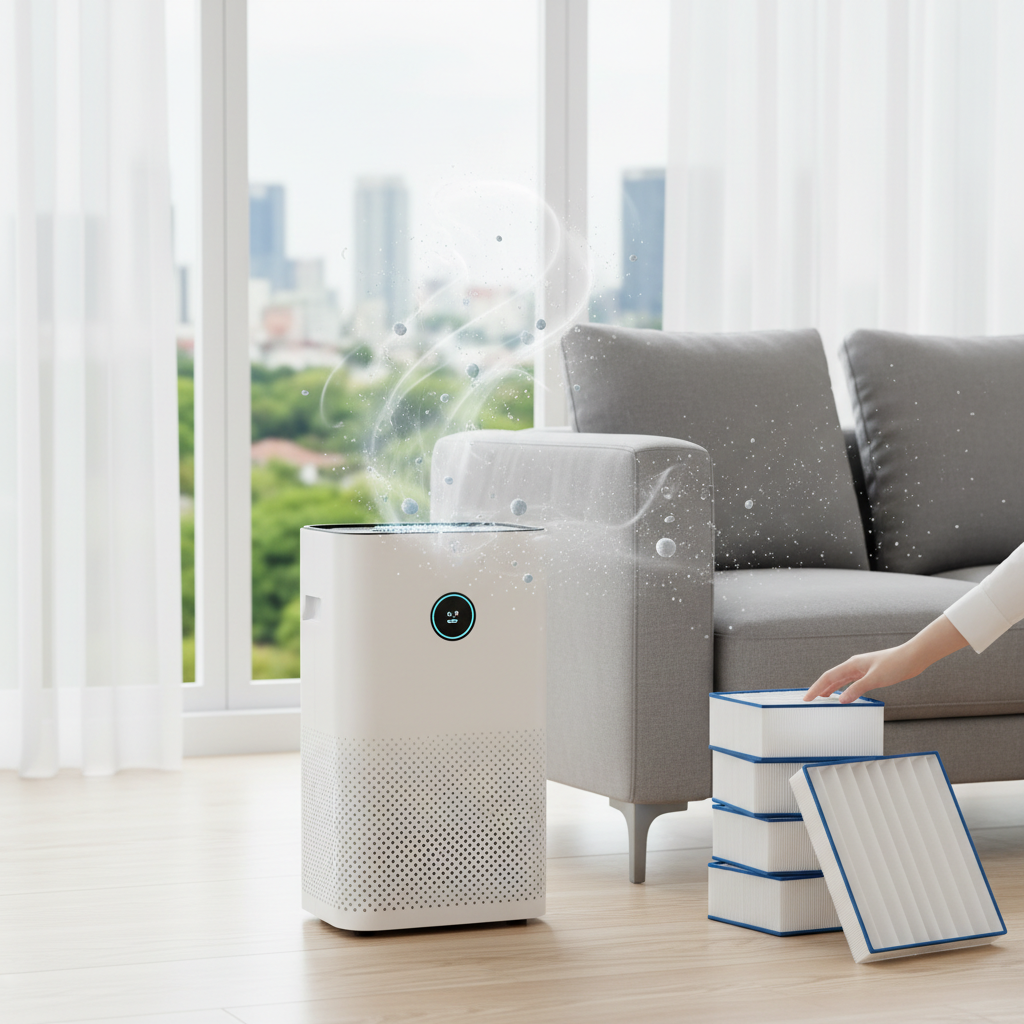
In today’s world, where indoor air can be two to five times more polluted than outdoor air, ensuring the air you breathe at home or work is clean and healthy has become a paramount concern. From microscopic allergens and dust to invisible viruses and bacteria, airborne contaminants pose a constant threat to our well-being. This comprehensive guide delves into the best air purifiers equipped with advanced HEPA filters and sterilization technologies, offering a robust solution to achieve truly clean and purified air.
Why Clean, Sterilized Air Matters for Your Health
The air within our homes and offices is a complex mixture, often laden with pollutants that can silently impact health. These invisible threats range from particulate matter like dust, pollen, pet dander, and smoke, to hazardous volatile organic compounds (VOCs) emitted by cleaning products and building materials, and biological pathogens such as viruses, bacteria, and mold spores. Prolonged exposure to poor indoor air quality can exacerbate allergies and asthma, lead to respiratory infections, and contribute to more severe health issues, including cardiovascular problems and cognitive decline.
Traditional cleaning methods, while helpful for surfaces, often fall short in addressing airborne contaminants. This is where advanced air purifiers step in, offering a vital line of defense. By combining high-efficiency particulate air (HEPA) filtration with active sterilization technologies, these devices not only capture particles but also neutralize harmful pathogens, ensuring a healthier living environment.
Understanding HEPA Filters: The Foundation of Clean Air
At the core of any effective air purification system for removing airborne particles lies the HEPA filter. HEPA, an acronym for “High-Efficiency Particulate Air,” defines a standard set by the U.S. Department of Energy. To qualify as a true HEPA filter, it must be capable of removing at least 99.97% of airborne particles that are 0.3 microns (µm) in size or larger. This specific particle size (0.3 microns) is considered the “Most Penetrating Particle Size” (MPPS) because it’s the most challenging for filters to capture; larger and smaller particles are often filtered with even higher efficiency.
For those with serious health concerns, such as severe allergies, asthma, or compromised immune systems, medical-grade HEPA filters offer an enhanced level of protection. Classified as H13 or H14 under international standards (EN 1822 or ISO 29463), these filters can remove 99.95% to 99.995% of MPPS particles. They are particularly effective at capturing ultra-fine particles, including those as small as 0.003 microns, which encompasses many viruses and bacteria. When selecting an air purifier, look for independent evaluations and certifications to ensure the HEPA H13/H14 claims are verified, as the term “HEPA” is not always strictly regulated.
Beyond Filtration: Air Sterilization Technologies
While HEPA filters excel at trapping physical particles, some air purifiers integrate additional technologies specifically designed to “sterilize” the air by neutralizing or killing airborne pathogens.
UV-C Light (Ultraviolet Germicidal Irradiation)
|
Our Picks for the Best Bottle sterilizer in 2026
As an Amazon Associate I earn from qualifying purchases.
|
||
| Num | Product | Action |
|---|---|---|
| 1 | GROWNSY Bottle Sterilizer and Dryer, Compact Electric Steam Baby Bottle Sterilizer (Esterilizador de Biberones), Bottle Sanitizer for Baby Bottles, Pacifiers, Pump Parts |

|
| 2 | Papablic Baby Bottle Sterilizer and Dryer Pro, Esterilizador De Biberones, Electric Steam Sterilizer for Baby Bottles, Pacifiers, and Pump Parts, Large Capacity 10 Bottles |
|
| 3 | Dr. Brown's All-in-One Sterilizer and Dryer for Baby Bottles, Parts and Other Newborn Essentials |
|
| 4 | Momcozy 3 Layers Large Bottle Sterilizer and Dryer, Fast Sterilize and Dry, Universal Bottle Sterilizer for All Bottles & Breast Pump Accessories, Touch Screen & Auto-Off Bottle Sanitizer |
|
| 5 | HEYVALUE Ease-Steam Bottle Sterilizer, Compact Baby Bottle Sterilizer, Fast One-Touch Operation (Esterilizador de Biberones), Electric Sterilizer for Baby Bottles, Baby Essentials & Breast Pump Parts |
|
| 6 | Bottle Sterilizer and Dryer, 99.999% Deep Sterilization, 6-min Rapid Disinfection, Up to 12 Bottles, HEPA Filter, All-in-One for Baby Bottles, Breast Pump Parts & Newborn Essentials |
|
| 7 | Bottle Sterilizer, Baby Bottle Steam Sterilizer, Electric Baby Bottle Sanitizer with Timer for Baby Bottles, Pacifiers, Pump Parts |
|
| 8 | Momcozy Bottle Sterilizer and Dryer, Modular Nesting Space Saving Design, 6 Bottles Capacity, 4 in 1 Compact Sterilizer for Baby Bottles, Breast Pump Parts & Newborn Essentials, Drying Rack Included |
|
| 9 | Bear Bottle Sterilizer and Dryer, 2 Layers Large Electric Steam Baby Bottle Sterilizer, Fast Bottle Sanitizer and Dryer for All Bottles & Accessories, Time-Saving Design |
|
| 10 | Momcozy KleanPal Pro Baby Bottle Washer, Sterilizer & Dryer - All-in-One Cleaning Machine for Bottles, Pump Parts & Baby Essentials - Time-Saving & Effortless Care |
|
Many advanced air purifiers incorporate UV-C (ultraviolet-C) light. This technology works by emitting short-wavelength ultraviolet light that penetrates the DNA and RNA of viruses, bacteria, and mold spores, rendering them inert and preventing them from reproducing. For safe home use, UV-C lamps are typically shielded within the device, ensuring no direct exposure to skin or eyes. This “germicidal irradiation” adds an extra layer of protection, particularly valuable for households concerned about infectious diseases.
Photocatalytic Oxidation (PCO)
PCO technology often works in conjunction with UV-C light. In a PCO system, UV-C light reacts with a titanium dioxide (TiO2) coated surface to create highly reactive oxidants (like hydroxyl radicals). These oxidants actively seek out and break down volatile organic compounds (VOCs), odors, and even microscopic airborne pathogens at a molecular level. Devices like the Radic8 Viruskiller™ technology combine UV-C lights with TiO2 hexagon filters for a high kill rate against a broad spectrum of viruses.
Activated Carbon Filtration
Alongside HEPA, activated carbon (or charcoal) filters are commonly used in comprehensive air purification systems. Unlike HEPA filters that capture solid particles, activated carbon filters are highly porous and excel at adsorbing gaseous pollutants, smoke odors, cooking smells, and harmful VOCs. This multi-stage approach ensures both particulate matter and chemical contaminants are effectively removed from the air.
A Note on Ionizers and Ozone Generators
Some air purifiers include ionizers, which electrically charge particles to make them clump together and settle out of the air. However, certain ionizers can produce ozone, a lung irritant that can be harmful, especially for individuals with respiratory conditions. Experts generally advise against air pur purifiers that intentionally generate ozone, and for medical settings, ionizers are often avoided due to the potential for chemical byproducts. It’s crucial to choose models that either offer an optional ionizer with an on/off switch or explicitly state they are ozone-free.
Key Features to Consider When Choosing Your Air Sterilizer
Selecting the right air purifier with HEPA filtration and sterilization capabilities involves more than just looking at the price tag. Here are crucial factors to consider:
- Coverage Area & CADR (Clean Air Delivery Rate): The Clean Air Delivery Rate (CADR) indicates how quickly an air purifier cleans a room of specific pollutants (smoke, dust, pollen). It’s vital to match the CADR to your room size. The Association of Home Appliance Manufacturers (AHAM) recommends a CADR equal to at least two-thirds of your room’s square footage. Also, consider “Air Changes per Hour” (ACH), which signifies how many times the air in a room is completely filtered each hour. For optimal health benefits, particularly for allergy or asthma sufferers, aim for at least 4.8 to 5 ACH.
- Filter Grade and Longevity: Prioritize air purifiers with true HEPA H13 or H14 filters for superior particle capture. Investigate the lifespan of these filters and associated replacement costs, as this significantly impacts long-term ownership. Many units also include pre-filters to capture larger particles and extend the life of the main HEPA filter, and activated carbon filters for odors and VOCs.
- Noise Level: Air purifiers often run 24/7, so a quiet operation is essential, especially for bedrooms or offices. Look for models with decibel (dB) ratings, often ranging from 30dB (whisper quiet) to 60dB (normal conversation). Units with multiple fan speeds allow you to adjust noise levels.
- Energy Efficiency: Since continuous operation is recommended for best results, an energy-efficient model will help keep electricity bills down. Check the kilowatt-hour (kWh) consumption.
- Smart Features & Controls: Modern air purifiers often come with features like auto mode (adjusts fan speed based on detected air quality), air quality indicators (visual display of air cleanliness), timers, and app connectivity for remote control and real-time air quality monitoring.
- Brand Reputation & Certifications: Opt for reputable brands known for their product quality and transparent testing. Look for certifications like AHAM Verified, which confirms performance claims, and adherence to international standards like ISO 29463 for HEPA filters.
Top Air Purifiers with HEPA Filters and Sterilization Capabilities
Many brands offer excellent air purifiers that combine robust HEPA filtration with technologies that enhance air sterilization, creating a healthier indoor environment. Here are some highly-regarded options:
- IQAir HealthPro Plus: Often cited for its exceptional performance, the IQAir HealthPro Plus features HyperHEPA filtration, capable of capturing 99.5% of particles down to 0.003 microns, significantly smaller than typical HEPA standards. It also includes a V5-Cell filter with activated carbon and zeolite for gas and odor removal. While not explicitly branded as a “sterilizer” with UV-C, its extreme filtration efficiency makes it a top choice for medical-grade air quality. It’s built in Switzerland and rigorously tested.
- AirDoctor AD3000: This model boasts an UltraHEPA filter, claiming to remove particles 100 times smaller than a standard HEPA filter, down to 0.003 microns. It also incorporates a dual-action Carbon/Gas Trap/VOC filter. The AD3000 delivers a high CADR and features an auto mode and air quality indicator, providing excellent performance for its price point.
- Radic8 Viruskiller™ Series (e.g., VK Medi, VK 401): Specifically designed for medical-grade air sterilization, Radic8 units utilize a patented Viruskiller™ Technology. These systems typically combine a pre-filter, HEPA filter, activated carbon, and a reactor cell with multiple UV-C lamps and TiO2 hexagon filters. This multi-stage process achieves a 99.9999% kill rate against various viruses, making them highly effective for environments where pathogen control is critical.
- Blueair Blue Pure 311i Max: Recognized for its balanced performance, quiet operation, and energy efficiency, the Blueair Blue Pure 311i Max offers excellent particle removal. While primarily HEPA-focused for particles, its robust filtration contributes significantly to overall clean air. It’s a great option for various room sizes, offering smart features and good value.
- Coway Airmega 400S: Ideal for larger spaces, the Coway Airmega 400S provides fast particle removal with its four-layer filtration system, handling particulate matter as small as 0.1 microns. It features Wi-Fi connectivity, app control, and an auto mode, ensuring comprehensive air purification for whole-home use.
- Shark Large Air Purifier HP232: This model offers fast particle removal at lower fan settings and is noted for its energy efficiency. It features Shark’s Anti-Allergen Nanoseal filter with true HEPA, capturing 99.98% of particles between 0.1 and 0.2 microns. It’s a cost-effective choice for those prioritizing quick air cleaning, especially for cold and flu prevention.
Using and Maintaining Your Air Sterilizer
To maximize the effectiveness and lifespan of your air purifier:
- Optimal Placement: Position the unit centrally in the room, away from walls or furniture, to allow for optimal 360-degree airflow. Placing it near doorways or vents can enhance efficiency.
- Regular Filter Replacement: Follow the manufacturer’s recommendations for filter changes, typically every 6 to 12 months for HEPA filters and more frequently for activated carbon filters depending on usage and air quality. Some units have indicator lights or app notifications for filter replacement.
- Cleaning Pre-Filters: Many air purifiers have washable pre-filters that capture larger particles like dust and pet hair. Regular cleaning (e.g., vacuuming or rinsing) prevents clogging and extends the life of subsequent filters.
- Exterior Cleaning: Wipe down the exterior of the unit regularly with a soft cloth to prevent dust buildup on air intake vents.
- Understand Indicator Lights: Pay attention to air quality indicators, which often use color codes to show current air quality, and filter replacement alerts.
Important Considerations for Air Quality
While air purifiers with HEPA filters and sterilization technologies are powerful tools, they are best used as part of a broader strategy for maintaining healthy indoor air.
- Ventilation is Key: Ensure adequate natural ventilation by opening windows when outdoor air quality is good, especially after activities like cooking or cleaning.
- Source Control: Reduce pollutants at their source. Use exhaust fans when cooking, choose low-VOC products, and avoid indoor smoking.
- Regular Cleaning: Air purifiers work on airborne particles. Once particles settle on surfaces, they need to be physically removed through dusting, vacuuming (with a HEPA vacuum), and sweeping.
- Be Skeptical of Unsubstantiated Claims: Research brands and look for independent certifications (e.g., AHAM Verified, Energy Star) to validate performance and safety claims.
“Investing in a high-quality air purifier with medical-grade filtration can make a significant difference for those with respiratory issues or compromised immune systems. It’s about creating a personal clean air zone.” – Teddy Booth, Senior Content Producer, HouseFresh.
Conclusion
The pursuit of truly clean air in our homes and workplaces is more critical than ever. Air purifiers equipped with advanced HEPA filters and robust sterilization technologies offer a powerful solution, effectively removing microscopic particles and neutralizing airborne pathogens. By understanding the science behind these devices and choosing a model that fits your needs, you can significantly enhance your indoor air quality, safeguard your family’s health, and breathe easier. Don’t compromise on the air you breathe—invest in a high-performing air sterilizer today.
What steps will you take to ensure your indoor air is as clean and sterile as possible?
Frequently Asked Questions
What does “medical-grade HEPA filter” mean for air purifiers?
A medical-grade HEPA filter, typically classified as H13 or H14, signifies a higher standard of filtration. These filters are capable of capturing 99.95% to 99.995% of the most penetrating particles, even those as small as 0.003 microns. This enhanced efficiency is crucial for environments requiring superior air cleanliness, such as in healthcare settings or homes with immunocompromised individuals.
Do air purifiers with UV-C light actually kill viruses and bacteria?
Yes, air purifiers incorporating UV-C (ultraviolet-C) light are designed to kill or inactivate airborne viruses, bacteria, and mold spores. The UV-C light damages the microorganisms’ DNA and RNA, preventing them from reproducing and spreading. For safety, the UV-C lamps are always contained within the unit, shielding users from direct exposure.
What are CADR and ACH, and why are they important when choosing an air purifier?
CADR stands for Clean Air Delivery Rate, measuring how quickly an air purifier removes pollutants (smoke, dust, pollen) from a room in cubic feet per minute (CFM). ACH stands for Air Changes per Hour, indicating how many times the entire volume of air in a room is filtered per hour. Both metrics help ensure the air purifier is appropriately sized and powerful enough for your specific room, with higher values generally indicating faster and more effective air cleaning.
How often do I need to change the filters in an air purifier with HEPA?
The frequency of filter replacement varies depending on the specific model, usage intensity, and local air quality, but generally, HEPA filters need to be replaced every 6 to 12 months. Pre-filters might require more frequent cleaning or replacement, and activated carbon filters often need changing every 3 to 6 months. Always refer to your manufacturer’s guidelines and monitor any filter indicator lights on your device.