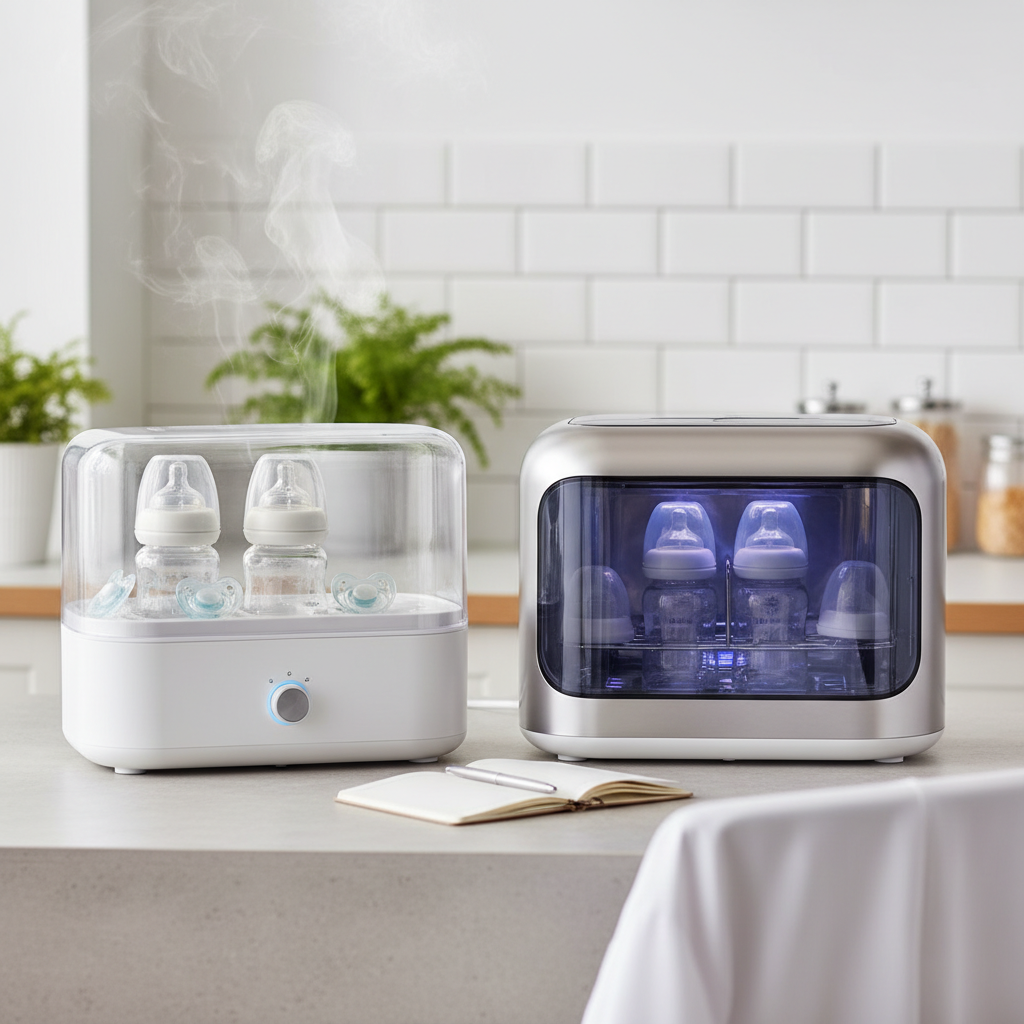
Welcoming a newborn into your home brings immense joy, but also a new level of responsibility, especially when it comes to hygiene. Ensuring your baby’s feeding equipment is meticulously clean and germ-free is paramount to safeguarding their delicate health. Among the myriad of baby products available, bottle sterilizers stand out as essential tools for busy parents. While traditional methods like boiling water get the job done, modern sterilizers offer unparalleled convenience and efficiency. This guide delves into the world of steam sterilizers, pitting microwave models against their electric counterparts, with a special focus on speed, to help you make an informed decision for your little one.
Why Bottle Sterilization is Crucial
A newborn’s immune system is still developing, making them highly susceptible to infections from bacteria and viruses that can thrive in milk residue on feeding bottles and accessories. Sterilization goes beyond simple washing, using high temperatures to eliminate 99.9% of harmful germs. While boiling water on a stovetop has been a go-to for generations, it’s time-consuming, less efficient, and can pose scalding risks. Dedicated bottle sterilizers offer a safer, quicker, and more effective way to ensure your baby’s feeding essentials are hygienically clean every time.
Understanding Sterilizer Types
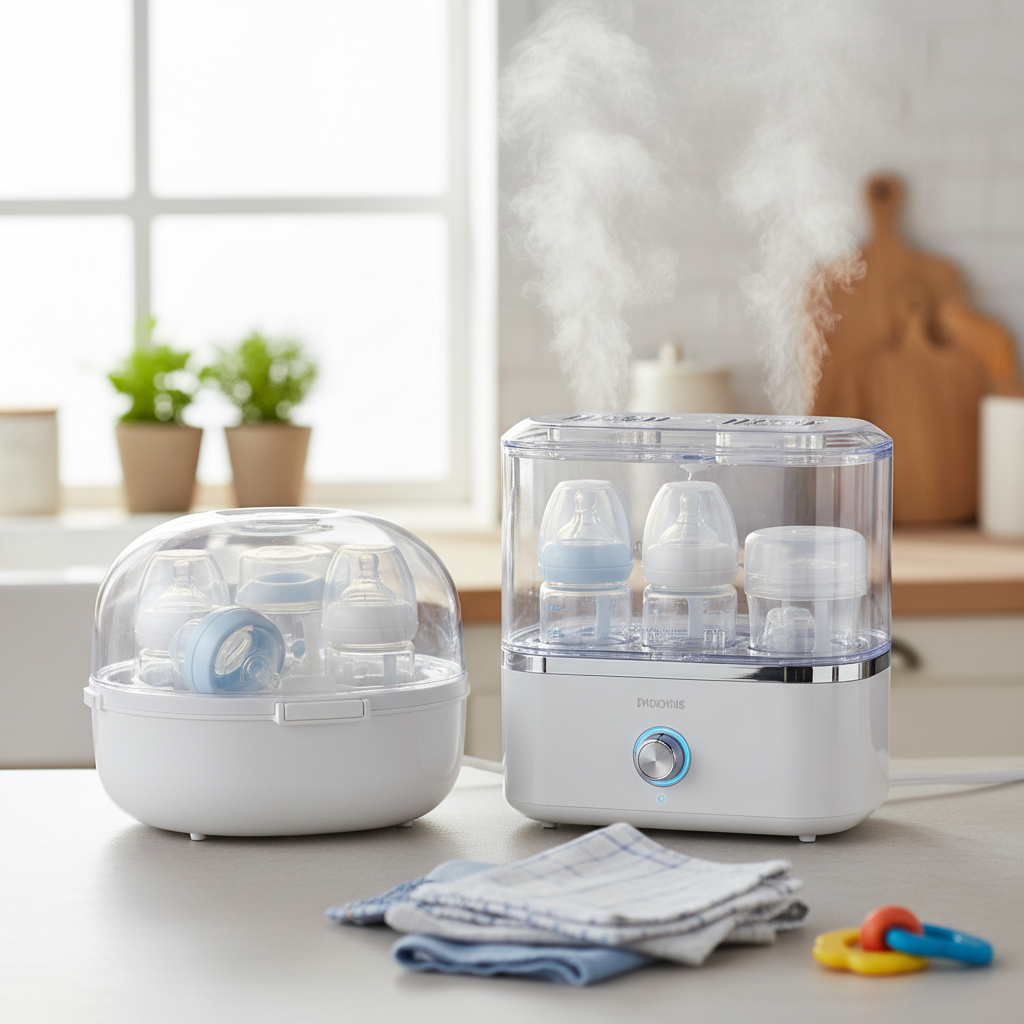
When it comes to steam sterilization, two primary categories dominate the market: microwave and electric sterilizers. Both leverage the power of hot steam to eradicate microbes, but their operational methods and features cater to different needs and lifestyles.
Microwave Steam Sterilizers
Microwave sterilizers are designed to fit inside your existing microwave oven. They typically consist of a base where water is added, a rack for bottles and accessories, and a lid. When microwaved, the water heats rapidly, generating intense steam that envelops and sterilizes the contents.
- Speed Advantage: Microwave sterilizers are renowned for their rapid cycles. Depending on your microwave’s wattage, a sterilization cycle can be completed in as little as 90 seconds to 8 minutes. For instance, a high-wattage microwave (1200-1850W) can sterilize items in just 2 minutes, while lower wattages (500-800W) might take 6 minutes. This makes them an exceptionally fast option for parents needing quick turnarounds.
- Pros: They are compact, lightweight, and highly portable, making them ideal for travel or smaller living spaces where countertop real estate is limited. They are also generally more affordable than electric models.
- Cons: Their effectiveness is directly tied to your microwave’s power. Capacity is typically smaller, accommodating 2 to 6 bottles at a time, which might be insufficient for high-volume feeding. Most microwave sterilizers do not include a drying function, meaning items may need to air-dry. Additionally, metal items cannot be sterilized in a microwave, and some plastic bottles may not be compatible or could crack. Users must also manually set the microwave timer and exercise caution as the unit and its contents become very hot.
|
Our Picks for the Best Bottle sterilizer in 2026
As an Amazon Associate I earn from qualifying purchases.
|
||
| Num | Product | Action |
|---|---|---|
| 1 | Dr. Brown's All-in-One Sterilizer and Dryer for Baby Bottles, Parts and Other Newborn Essentials |

|
| 2 | Momcozy 3 Layers Large Bottle Sterilizer and Dryer, Fast Sterilize and Dry, Universal Bottle Sterilizer for All Bottles & Breast Pump Accessories, Touch Screen & Auto-Off Bottle Sanitizer |
|
| 3 | Bottle Sterilizer, Baby Bottle Steam Sterilizer, Electric Baby Bottle Sanitizer with Timer for Baby Bottles, Pacifiers, Pump Parts |
|
| 4 | Momcozy Bottle Sterilizer and Dryer, Modular Nesting Space Saving Design, 6 Bottles Capacity, 4 in 1 Compact Sterilizer for Baby Bottles, Breast Pump Parts & Newborn Essentials, Drying Rack Included |
|
| 5 | Bear Bottle Sterilizer and Dryer, 2 Layers Large Electric Steam Baby Bottle Sterilizer, Fast Bottle Sanitizer and Dryer for All Bottles & Accessories, Time-Saving Design |
|
| 6 | Bottle Sterilizer and Dryer, 99.999% Deep Sterilization, 6-min Rapid Disinfection, Up to 12 Bottles, HEPA Filter, All-in-One for Baby Bottles, Breast Pump Parts & Newborn Essentials |
|
| 7 | GROWNSY Bottle Sterilizer and Dryer, Compact Electric Steam Baby Bottle Sterilizer (Esterilizador de Biberones), Bottle Sanitizer for Baby Bottles, Pacifiers, Pump Parts |
|
| 8 | Papablic Baby Bottle Sterilizer and Dryer Pro, Esterilizador De Biberones, Electric Steam Sterilizer for Baby Bottles, Pacifiers, and Pump Parts, Large Capacity 10 Bottles |
|
| 9 | HEYVALUE Ease-Steam Bottle Sterilizer, Compact Baby Bottle Sterilizer, Fast One-Touch Operation (Esterilizador de Biberones), Electric Sterilizer for Baby Bottles, Baby Essentials & Breast Pump Parts |
|
| 10 | Momcozy KleanPal Pro Baby Bottle Washer, Sterilizer & Dryer - All-in-One Cleaning Machine for Bottles, Pump Parts & Baby Essentials - Time-Saving & Effortless Care |
|
Electric Steam Sterilizers
Electric sterilizers are freestanding units that plug into a wall outlet. They have a built-in heating element that boils water to produce steam for sterilization. Many modern electric models also incorporate a drying cycle.
- Speed Comparison: While often slightly slower than microwave sterilizers for the pure sterilization phase, electric models still boast impressive speed. Sterilization cycles typically range from 5 to 15 minutes. The real advantage, however, often comes from their integrated drying functions. A combined sterilize-and-dry cycle can take anywhere from 10 to 40 minutes, providing ready-to-use, dry bottles without extra effort. For example, some models can sterilize and dry in as little as 10 minutes.
- Pros: Electric sterilizers offer higher capacity, usually holding 6 to 12 bottles plus various accessories like pump parts and pacifiers. Their integrated drying function is a significant convenience, eliminating the need for air-drying or towel-drying, which can reintroduce germs. They often feature automatic shut-off and programmable functions, offering consistent and reliable performance with enhanced safety.
- Cons: They tend to be bulkier, requiring dedicated countertop space, and are less portable. They are typically more expensive upfront and may require regular descaling to maintain efficiency due to mineral buildup from water.
Brief Mention of UV Sterilizers
For parents prioritizing speed without water or heat, UV sterilizers offer an alternative. These units use ultraviolet light to kill germs. Sterilization cycles can be very quick, often around 3 to 5 minutes. However, the total cycle time can be longer if a drying function is included, and they generally come with a higher price tag.
Speed Showdown: Microwave vs. Electric
When the clock is ticking, which sterilizer truly wins the speed race?
Pure sterilization time usually favors microwave sterilizers, with some models completing a cycle in as little as 90 seconds to 2 minutes. Electric sterilizers, on the other hand, typically take 5 to 15 minutes for the sterilization process alone.
However, the “total time to readiness” can be a different story. Microwave sterilizers often require manual cooling and air-drying, adding extra minutes to the overall process before bottles are ready for use. Many electric sterilizers, especially those with integrated drying functions, deliver bottles that are not just sterile but also dry and ready to use in a single, automated cycle. While the total cycle time for an electric sterilizer with drying might be 10 to 40 minutes, this hands-off convenience can save significant active time for parents.
Factors influencing speed for both types include:
- Microwave Wattage (for microwave sterilizers): Higher wattage means faster cycles.
- Load Size: Densely packed sterilizers may require slightly longer.
- Drying Function: Whether a drying cycle is included, and its duration, heavily impacts the overall readiness time.
Comparison Table
| Feature | Microwave Sterilizer | Electric Sterilizer |
|---|---|---|
| Price | Lower | Higher |
| Sterilization Time | 90 seconds – 8 minutes | 5 – 15 minutes (sterilization only) |
| Drying Function | No (typically) | Often included |
| Capacity | 2-6 bottles | 6-12+ bottles |
| Portability | High (compact, travel-friendly) | Low (bulky, countertop) |
| Requires Microwave | Yes | No |
| Ease of Use | Simple, but manual timing | Often programmable, auto shut-off |
| Countertop Footprint | Small | Large |
| Maintenance | Easy to clean | Requires regular descaling |
Choosing the Right Sterilizer for Your Needs
Selecting the ideal bottle sterilizer depends on your unique family dynamics and priorities.
- Speed vs. Convenience: If you need bottles sterilized in a flash for emergencies or very frequent, small loads, a microwave sterilizer might be your fastest bet for the initial kill phase. If you prefer a hands-off, all-in-one solution that delivers dry, ready-to-use bottles without monitoring, an electric sterilizer with a drying function offers ultimate convenience, even if the total cycle is longer.
- Capacity: Consider how many bottles and accessories you sterilize daily. High-volume users (e.g., formula feeders) will benefit from the larger capacity of electric models. Those who breastfeed but occasionally bottle feed might find a microwave sterilizer sufficient.
- Space & Portability: Evaluate your kitchen space. If counter space is scarce or you travel frequently, a compact microwave sterilizer is an excellent choice. For a dedicated, robust solution, an electric unit is more suitable.
- Budget: Microwave sterilizers offer a more budget-friendly entry point. Electric models, particularly those with advanced features, represent a higher investment.
- Additional Features: A drying function is a game-changer for many parents, eliminating dampness and reducing the risk of recontamination. Auto shut-off features in electric models provide peace of mind.
- Lifestyle: Your feeding routine significantly impacts your sterilizer needs.
Top Picks for Fast Sterilization
While specific models evolve, here are examples of sterilizers known for their speed:
- For Microwave Speed: The Philips Avent Microwave Steam Sterilizer and Munchkin Steam Microwave Bottle Sterilizer are frequently praised for their quick cycles and compact designs, ideal for sterilizing a few bottles quickly.
- For Fast Electric All-in-One: The Baby Brezza SuperFast Sterilizer Dryer and Wabi Baby Electric Steam Sterilizer and Dryer are popular choices, offering rapid sterilization combined with efficient drying in a single, automated process, often completing a full cycle in about 10 minutes.
Usage and Maintenance Tips
To maximize the efficiency and longevity of your sterilizer, follow these simple guidelines:
- Pre-wash Thoroughly: Always wash bottles, nipples, and other accessories with warm, soapy water before placing them in the sterilizer to remove milk residue.
- Use Correct Water Amount: Follow the manufacturer’s instructions precisely for the amount of water required. Too little can damage the unit, too much can extend the cycle.
- Allow Cooling Time: After a cycle, especially with steam sterilizers, allow the unit to cool down for a few minutes before opening to avoid steam burns.
- Regular Descaling (Electric Sterilizers): To prevent mineral buildup, regularly descale your electric sterilizer using a vinegar solution or specialized descaling products.
- Check Microwave Compatibility (Microwave Sterilizers): Ensure your microwave sterilizer fits comfortably in your microwave and is compatible with your oven’s wattage.
Important Considerations
- Read the Manual: Always prioritize reading the instruction manual for your specific sterilizer model to ensure safe and effective operation.
- Safety Precautions: Be mindful of hot steam and hot surfaces when opening sterilizers or removing items.
- Material Compatibility: Ensure all items you place in the sterilizer are “sterilizer-safe” and compatible with the specific sterilization method (e.g., no metal in microwave sterilizers).
Conclusion
Both microwave and electric bottle sterilizers offer effective ways to keep your baby’s feeding equipment germ-free, eliminating 99.9% of harmful bacteria. While microwave sterilizers generally boast the quickest raw sterilization times (often 90 seconds to 8 minutes) and excel in portability and affordability, they typically lack a drying function and are dependent on your microwave. Electric sterilizers, taking 5 to 15 minutes for sterilization, often integrate a convenient drying cycle, making the total “ready-to-use” time competitive (10-40 minutes), along with offering higher capacity and automated safety features, though they are less portable and pricier.
Ultimately, the “best” sterilizer depends on your lifestyle. Do you value the absolute fastest initial sterilization for occasional use and travel, or an all-in-one, hands-free solution for daily, high-volume needs? Consider your space, budget, and daily routine to choose the perfect companion in your parenting journey. What features are most important to you in a sterilizer?
Frequently Asked Questions
Are microwave sterilizers as effective as electric ones?
Yes, both microwave and electric steam sterilizers are highly effective at killing 99.9% of harmful bacteria using steam. The primary differences lie in speed, capacity, and added features like drying, not in their core sterilization efficacy.
Can I put metal items in a microwave sterilizer?
No, metal items should never be placed in a microwave sterilizer, as they can cause damage to your microwave and the sterilizer itself. Always check the manufacturer’s guidelines for material compatibility.
Do electric sterilizers always have a drying function?
While many modern electric sterilizers include a convenient drying function, not all do. Some basic electric models are solely for steam sterilization. Always check the product specifications if a drying function is important to you.
How long do items stay sterile after a cycle?
In most steam sterilizers (both microwave and electric), items typically remain sterile for up to 24 hours if the lid is kept closed and unopened after the cycle is complete.
Which is better for travel, a microwave or electric sterilizer?
Microwave sterilizers are generally better for travel due to their compact size and portability. However, they do require access to a microwave. For travel without a microwave, some parents opt for cold water sterilization or disposable sterilizer bags.