Welcoming a new baby often brings a flurry of preparations, and equipping your nursery can be a significant expense. Opting for second-hand baby bottles can be a smart way to save money, but it comes with a critical responsibility: ensuring they are impeccably clean and safe for your little one. As an experienced technician in baby bottle sterilization, I understand the nuances of hygiene, material safety, and the peace of mind parents seek. This guide will walk you through the essential steps and best practices to transform used bottles into safe feeding essentials.
Why Thoroughly Sanitize Second-Hand Baby Bottles?
A baby’s immune system, especially in the first few months, is still developing and highly vulnerable to bacteria, viruses, and fungi. While new bottles come fresh from the factory, second-hand bottles carry the history of their previous use, potentially harboring unseen residues, germs, or mineral deposits. Simply washing them isn’t enough; proper sanitization is crucial to eliminate these microscopic threats, safeguarding your baby from potential illnesses and ensuring every feeding is as safe as possible. Prioritizing thorough cleaning provides not only health protection but also invaluable peace of mind for you as a parent.
Initial Inspection: What to Look For Before Sanitizing
Before you even think about cleaning, a careful inspection of every bottle and component is paramount. This initial step helps identify any items that are beyond safe reuse.
- Check for Damage: Look closely for any cracks, chips, deep scratches, or signs of warping on the bottles, rings, and caps. Damaged plastics can harbor bacteria and degrade further with heat, while cracked glass poses a safety hazard. Discard any compromised items immediately.
- Material Safety – BPA-Free: If the bottles are plastic, verify they are BPA-free. Many manufacturers phased out BPA around 2008, so older plastic bottles might contain this chemical, which is best avoided. If you’re unsure, it’s safer to use glass bottles or newer plastic ones clearly marked BPA-free.
- Odor and Discoloration: Sniff each bottle and part for any lingering odors that don’t dissipate after a basic wash, and check for cloudiness, yellowish tints, or milky residue that indicates degradation or ingrained stains. These can be signs that the plastic has broken down or absorbed previous contents.
- Replace Nipples and Teats: This is a non-negotiable step. Nipples (teats) should always be replaced with new ones when using second-hand bottles. Over time, nipples can stretch, degrade, develop microscopic tears, or absorb odors and flavors, making them difficult to sanitize effectively and potentially unsafe.
The Essential First Step: Pre-Cleaning
Sanitization is only effective on items that are already clean. Therefore, before any sanitizing method, a thorough pre-cleaning is absolutely necessary.
- Disassemble Everything: Take apart all bottle components: bottles, nipples, rings, caps, and any internal vents or valves.
- Wash Your Hands: Start with clean hands to avoid transferring new germs to the items you’re about to clean.
- Prepare a Cleaning Basin: Fill a clean wash basin (separate from your regular kitchen sink, which can harbor germs) with hot water and mild, unscented dish soap.
- Scrub Thoroughly: Using a dedicated bottle brush and a nipple brush (not used for any other dishes), scrub all parts. Pay special attention to hard-to-reach areas like the bottom of the bottle, inside the nipple, and any small crevices in caps or valves. Squeeze soapy water through nipple holes to ensure they are clear.
- Rinse Completely: Rinse all components thoroughly under running water to remove all soap residue.
- Air Dry: Place the cleaned items on a clean drying rack or towel to air dry completely. Avoid towel drying as it can reintroduce germs.
Effective Methods for Sanitizing Second-Hand Baby Bottles
Once meticulously pre-cleaned, your second-hand bottles are ready for sanitization. Here are the most effective methods:
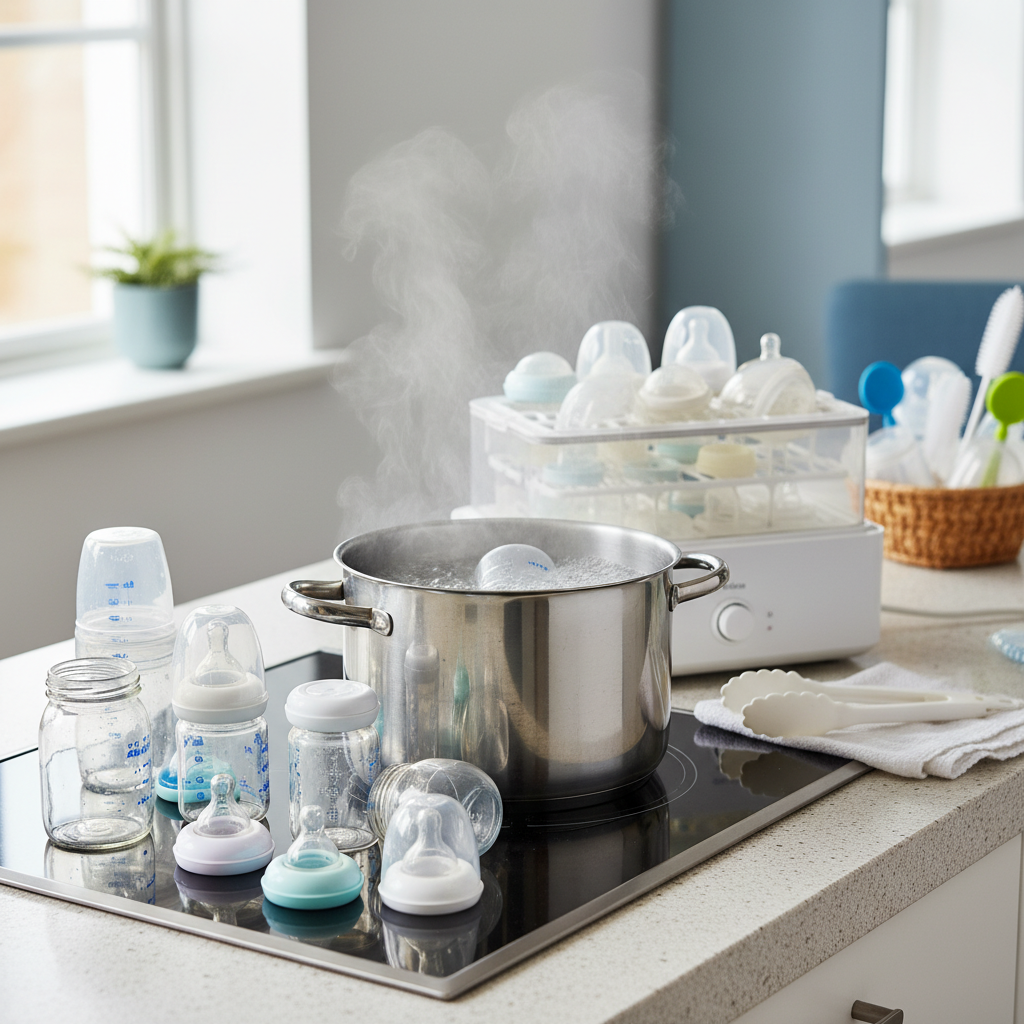
Boiling
Boiling is a classic, cost-effective, and highly reliable method for sanitizing baby bottles and parts.
- How to: Place all disassembled, pre-cleaned bottle parts into a large, clean pot. Fill the pot with water, ensuring all items are fully submerged and there are no air bubbles trapped inside. Bring the water to a rolling boil and maintain it for at least 5 minutes.
- Advantages: It’s incredibly effective at killing germs and doesn’t require special equipment.
- Disadvantages: Can be time-consuming, and prolonged boiling may cause some plastic parts to warp or degrade faster. Use tongs to carefully remove items after they cool to avoid burns.
|
Our Picks for the Best Bottle sterilizer in 2026
As an Amazon Associate I earn from qualifying purchases.
|
||
| Num | Product | Action |
|---|---|---|
| 1 | Bottle Sterilizer and Dryer, 99.999% Deep Sterilization, 6-min Rapid Disinfection, Up to 12 Bottles, HEPA Filter, All-in-One for Baby Bottles, Breast Pump Parts & Newborn Essentials |

|
| 2 | Bear Bottle Sterilizer and Dryer, 2 Layers Large Electric Steam Baby Bottle Sterilizer, Fast Bottle Sanitizer and Dryer for All Bottles & Accessories, Time-Saving Design |
|
| 3 | Bottle Sterilizer, Baby Bottle Steam Sterilizer, Electric Baby Bottle Sanitizer with Timer for Baby Bottles, Pacifiers, Pump Parts |
|
| 4 | Momcozy 3 Layers Large Bottle Sterilizer and Dryer, Fast Sterilize and Dry, Universal Bottle Sterilizer for All Bottles & Breast Pump Accessories, Touch Screen & Auto-Off Bottle Sanitizer |
|
| 5 | HEYVALUE Ease-Steam Bottle Sterilizer, Compact Baby Bottle Sterilizer, Fast One-Touch Operation (Esterilizador de Biberones), Electric Sterilizer for Baby Bottles, Baby Essentials & Breast Pump Parts |
|
| 6 | GROWNSY Bottle Sterilizer and Dryer, Compact Electric Steam Baby Bottle Sterilizer (Esterilizador de Biberones), Bottle Sanitizer for Baby Bottles, Pacifiers, Pump Parts |
|
| 7 | Papablic Baby Bottle Sterilizer and Dryer Pro, Esterilizador De Biberones, Electric Steam Sterilizer for Baby Bottles, Pacifiers, and Pump Parts, Large Capacity 10 Bottles |
|
| 8 | Momcozy Bottle Sterilizer and Dryer, Modular Nesting Space Saving Design, 6 Bottles Capacity, 4 in 1 Compact Sterilizer for Baby Bottles, Breast Pump Parts & Newborn Essentials, Drying Rack Included |
|
| 9 | Dr. Brown's All-in-One Sterilizer and Dryer for Baby Bottles, Parts and Other Newborn Essentials |
|
| 10 | Momcozy KleanPal Pro Baby Bottle Washer, Sterilizer & Dryer - All-in-One Cleaning Machine for Bottles, Pump Parts & Baby Essentials - Time-Saving & Effortless Care |
|
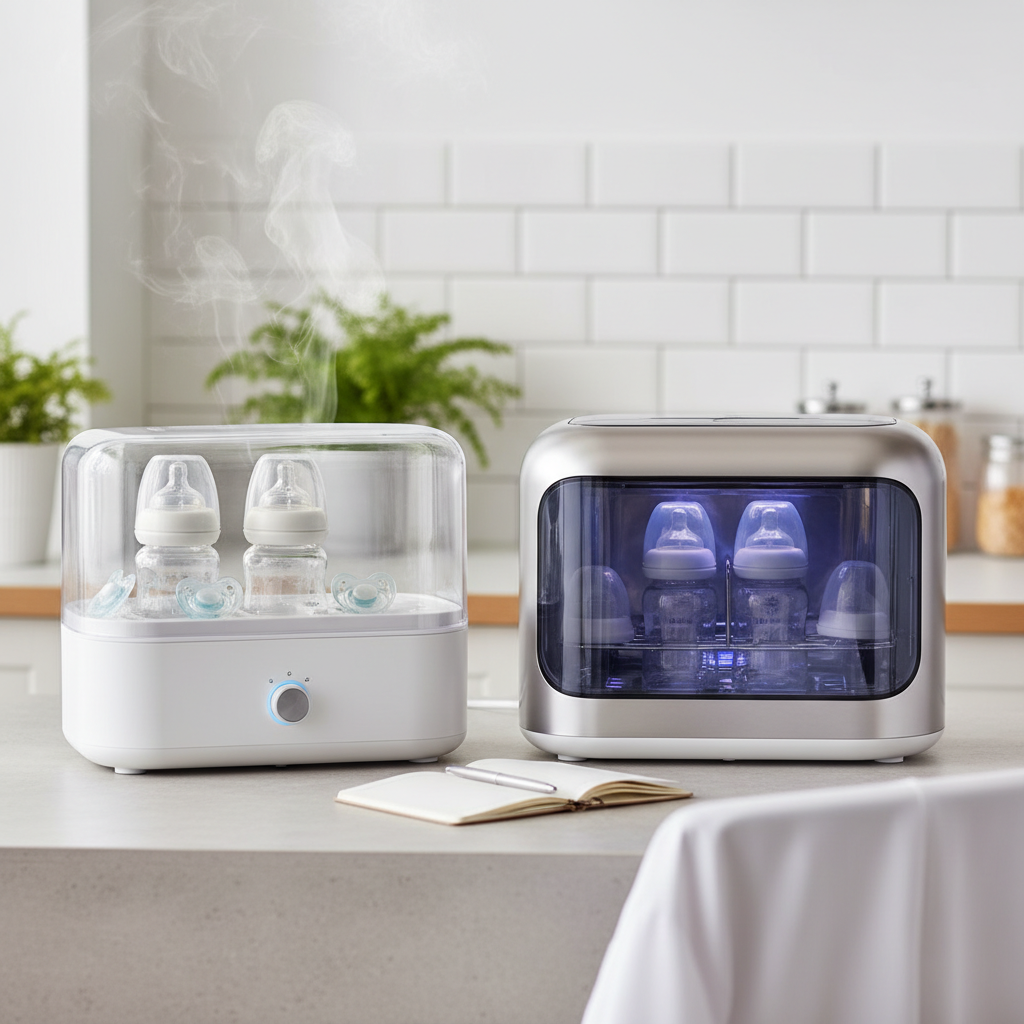
Steam Sterilization (Electric or Microwave)
Steam sterilizers use high-temperature steam to sanitize bottles, offering a convenient and efficient option.
- How to: Place disassembled, pre-cleaned bottle parts into an electric steam sterilizer or a microwave steam sterilizer bag/unit according to the manufacturer’s instructions. Add the recommended amount of water. Run the cycle as specified, typically lasting a few minutes.
- Advantages: Quick, efficient, and generally safer for plastic bottles than boiling, as it heats more evenly. Many electric sterilizers also have a drying function.
- Disadvantages: Requires purchasing a dedicated sterilizer or microwave accessory.
Bleach Solution
The Centers for Disease Control and Prevention (CDC) recommends a bleach solution as a powerful sanitization method, especially useful when other options are unavailable or for heavily contaminated items.
- How to: In a clean wash basin, prepare a solution of 2 teaspoons of unscented bleach per gallon (16 cups) of water. Submerge all disassembled, pre-cleaned bottle parts completely, ensuring no air bubbles are trapped. Squeeze the solution through nipple holes. Allow items to soak for at least 2 minutes.
- Crucial Note: According to the CDC, do not rinse the items after removing them from the bleach solution. Any remaining bleach will break down quickly as it dries and will not harm your baby. Rinsing could reintroduce germs.
- Advantages: Highly effective against a wide range of pathogens.
- Disadvantages: Requires careful handling of chemicals and proper dilution. The lack of rinsing can be counter-intuitive for some parents.
Dishwasher with Sanitizing Cycle
If your dishwasher has a sanitizing cycle, it can be an effective way to sanitize specific baby bottle parts.
- How to: Place disassembled, pre-cleaned bottle parts (ensure they are dishwasher-safe) on the top rack or in a dishwasher basket. Select a hot water cycle and a heated drying option, or use a specific “sanitize” setting if available.
- Advantages: Extremely convenient for parents with busy schedules.
- Disadvantages: Not all dishwashers have a sanitizing cycle, and some plastic parts may not withstand the high heat of certain cycles, leading to warping or degradation over time. Check bottle manufacturer guidelines.
Comparison of Sanitization Methods
| Method | Effectiveness | Ease of Use | Cost | Time (Sanitization) | Suitability for Second-Hand Bottles |
|---|---|---|---|---|---|
| Boiling | High | Medium | Low (no equipment) | ~5-10 minutes | Excellent for most materials |
| Steam Sterilization | High | High | Medium (device) | ~2-6 minutes | Excellent, gentler on plastics |
| Bleach Solution | Very High | Medium | Low (bleach) | ~2 minutes | Excellent for thorough disinfection |
| Dishwasher (Sanitize) | High | High | Medium (appliance) | ~60+ minutes | Good for dishwasher-safe items |
Crucial Safety Tips for Second-Hand Bottles
Beyond the sanitization methods, several ongoing safety practices are vital when using second-hand baby bottles:
- Always Disassemble: For every wash and sanitization, ensure all bottle components are fully separated to allow for thorough cleaning and drying.
- Thorough Rinsing (Except Bleach): After washing with soap or boiling, rinse all parts meticulously to remove any residue. Remember, the bleach solution is the exception; do not rinse after soaking.
- Air Dry Completely: Always allow sanitized items to air dry thoroughly on a clean rack or towel before reassembling or storing. This prevents the growth of mold and bacteria.
- Proper Storage: Once completely dry, reassemble the bottles and store them in a clean, protected environment, such as a closed kitchen cabinet, to prevent recontamination.
- Regular Inspection: Continue to inspect bottles and parts regularly for any signs of wear, damage, discoloration, or odors. Even after initial sanitization, bottles can degrade with use.
- When to Discard: If a bottle develops cracks, becomes cloudy, retains a strong odor, or shows persistent milky residue, it’s time to replace it. The safety of your baby is always worth more than saving a few dollars on a compromised bottle.
“While reusing baby bottles is a sustainable and economical choice, the utmost care in cleaning and sanitizing is non-negotiable. Always replace nipples, inspect bottles meticulously for wear, and follow proven sterilization methods to guarantee your baby’s health and safety.” – ReviewsLi.com Admin, Expert in Bottle Sterilization
Conclusion
Using second-hand baby bottles can be a wonderful way to reduce waste and expenses, allowing you to allocate resources to other essential baby needs. However, the convenience must always be balanced with an unwavering commitment to hygiene and safety. By diligently following the steps of initial inspection, thorough pre-cleaning, and one of the effective sanitization methods—be it boiling, steam, bleach solution, or a dishwasher sanitizing cycle—you can confidently prepare these items for your baby. Remember to always replace nipples and stay vigilant for any signs of wear or damage. Prioritizing these practices ensures that your little one’s feeding experience is always clean, healthy, and worry-free.
What steps will you take today to ensure the safety of your baby’s feeding essentials?
Frequently Asked Questions
Can I reuse second-hand glass baby bottles?
Yes, glass baby bottles are generally safer for reuse than plastic ones, as they are less prone to scratching, discoloration, or chemical degradation. However, you must still thoroughly clean and sanitize them, and always replace the nipples with new ones.
Is it safe to use second-hand plastic baby bottles?
It can be, but exercise caution. Ensure they are explicitly labeled BPA-free (especially if manufactured after 2008) and meticulously inspect them for any cracks, cloudiness, discoloration, or strong odors. Always replace all plastic nipples and parts that come into contact with milk.
Why do I need to replace bottle nipples for second-hand bottles?
Bottle nipples (teats) wear out, stretch, and can develop microscopic tears over time, making them difficult to sanitize effectively and potentially unsafe for a baby. They are also prone to absorbing odors and can alter milk flow. Replacing them ensures optimal hygiene and functionality.
How often should I sanitize second-hand baby bottles?
For babies under 3 months old, premature infants, or those with weakened immune systems, daily sanitization of feeding items is recommended. For older, healthy babies, cleaning after each use is typically sufficient, with periodic sanitization (e.g., weekly) for extra germ removal.
What kind of soap should I use to clean baby bottles?
Use a mild, unscented dish soap with hot water. It’s best to use a separate basin for washing baby items, distinct from your kitchen sink, to minimize potential germ transfer. Ensure thorough rinsing to remove all soap residue before sanitizing.
Can I sanitize second-hand breast pump parts?
Many breast pump parts, particularly those that come into contact with milk, can be sanitized using similar methods like boiling or steam. However, always check the manufacturer’s instructions for specific cleaning and sanitization guidelines for your pump model. It is generally not recommended to share breast pumps that are not closed-system pumps.
What should I do if a second-hand bottle still smells after cleaning and sanitizing?
If a bottle retains a strong, persistent odor after being thoroughly cleaned and sanitized, it’s best to discard it. Odors can indicate that the plastic has absorbed liquids or degraded, making it unsuitable for reuse.