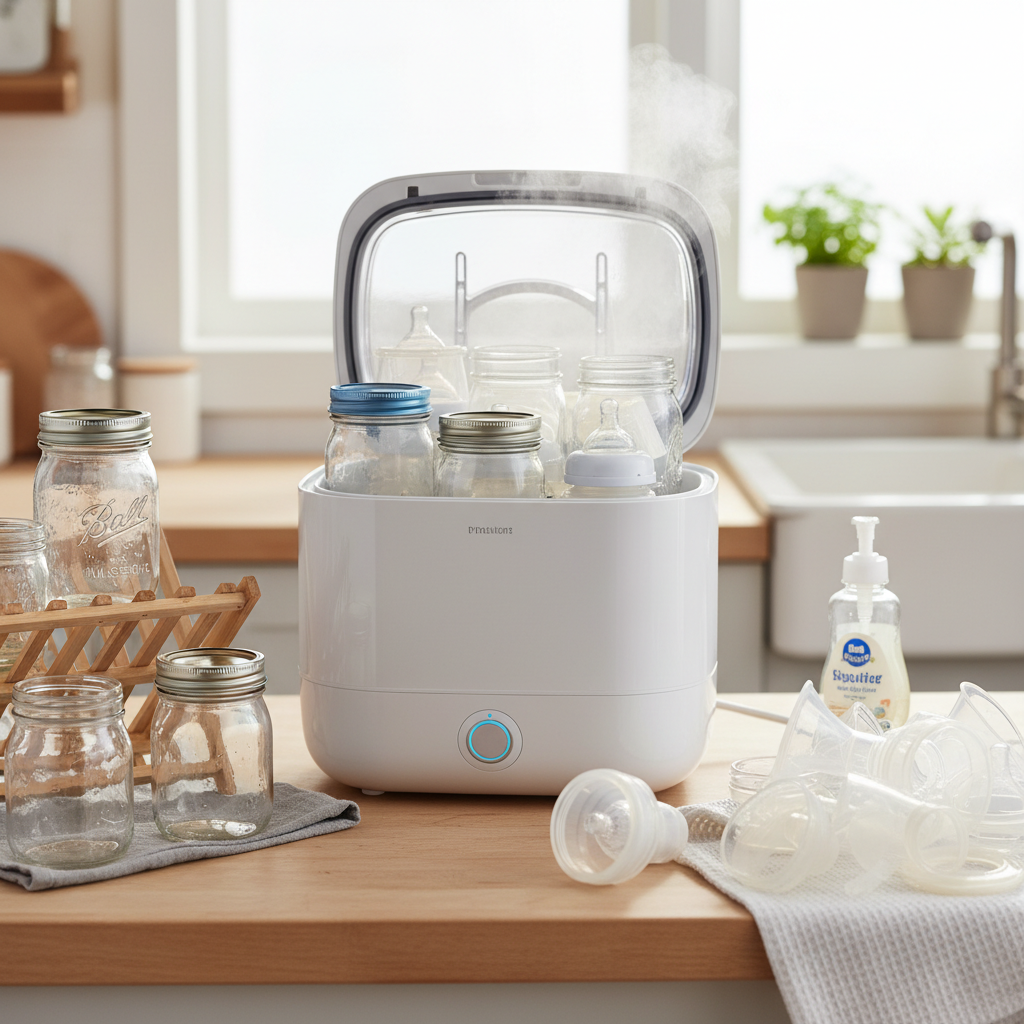
For new parents, few things are as distressing as a baby suffering from oral thrush, a common yeast infection that can cause discomfort and feeding challenges. Even more frustrating is the risk of reinfection, often traced back to improperly sterilized feeding equipment. Ensuring your baby’s bottles, pacifiers, and pump parts are meticulously free of the Candida albicans yeast is paramount to breaking this cycle and promoting your little one’s health. This guide dives deep into the world of bottle sterilizers, helping you understand why specific sterilization methods are crucial for thrush prevention and which models stand out in providing the ultimate germ-free environment for your baby.
Why Sterilization is Crucial for Preventing Thrush Reinfection
Oral thrush, caused by an overgrowth of Candida albicans yeast, manifests as white patches in a baby’s mouth, often accompanied by fussiness during feeding. This same yeast can transfer to a breastfeeding mother’s nipples or thrive on baby bottles, pacifiers, and breast pump parts, creating a challenging loop of reinfection. When dealing with an active thrush infection, daily sterilization of all items that come into contact with your baby’s mouth or milk is strongly recommended. This isn’t just about cleaning; it’s about eliminating microscopic yeast spores that soap and water alone might miss.
Distinguishing between cleaning, sanitizing, and sterilizing is vital. Cleaning removes visible dirt and milk residue. Sanitizing reduces germs to a safe level. Sterilizing, however, aims to kill all bacteria, viruses, and fungi, including the resilient yeast responsible for thrush. For infants, especially those under two months old, premature babies, or those with weakened immune systems, rigorous sterilization provides an essential layer of protection. Without it, the warm, nutrient-rich environment of leftover milk in bottles can become a breeding ground for yeast, making reinfection a persistent concern.
Understanding Sterilization Methods Effective Against Thrush
Several effective methods can ensure your baby’s feeding items are thoroughly sterilized, each with its own advantages and considerations when combating thrush.
Boiling
|
Our Picks for the Best Bottle sterilizer in 2026
As an Amazon Associate I earn from qualifying purchases.
|
||
| Num | Product | Action |
|---|---|---|
| 1 | Momcozy KleanPal Pro Baby Bottle Washer, Sterilizer & Dryer - All-in-One Cleaning Machine for Bottles, Pump Parts & Baby Essentials - Time-Saving & Effortless Care |

|
| 2 | Dr. Brown's All-in-One Sterilizer and Dryer for Baby Bottles, Parts and Other Newborn Essentials |
|
| 3 | Momcozy Bottle Sterilizer and Dryer, Modular Nesting Space Saving Design, 6 Bottles Capacity, 4 in 1 Compact Sterilizer for Baby Bottles, Breast Pump Parts & Newborn Essentials, Drying Rack Included |
|
| 4 | Bear Bottle Sterilizer and Dryer, 2 Layers Large Electric Steam Baby Bottle Sterilizer, Fast Bottle Sanitizer and Dryer for All Bottles & Accessories, Time-Saving Design |
|
| 5 | GROWNSY Bottle Sterilizer and Dryer, Compact Electric Steam Baby Bottle Sterilizer (Esterilizador de Biberones), Bottle Sanitizer for Baby Bottles, Pacifiers, Pump Parts |
|
| 6 | Bottle Sterilizer and Dryer, 99.999% Deep Sterilization, 6-min Rapid Disinfection, Up to 12 Bottles, HEPA Filter, All-in-One for Baby Bottles, Breast Pump Parts & Newborn Essentials |
|
| 7 | HEYVALUE Ease-Steam Bottle Sterilizer, Compact Baby Bottle Sterilizer, Fast One-Touch Operation (Esterilizador de Biberones), Electric Sterilizer for Baby Bottles, Baby Essentials & Breast Pump Parts |
|
| 8 | Bottle Sterilizer, Baby Bottle Steam Sterilizer, Electric Baby Bottle Sanitizer with Timer for Baby Bottles, Pacifiers, Pump Parts |
|
| 9 | Papablic Baby Bottle Sterilizer and Dryer Pro, Esterilizador De Biberones, Electric Steam Sterilizer for Baby Bottles, Pacifiers, and Pump Parts, Large Capacity 10 Bottles |
|
| 10 | Momcozy 3 Layers Large Bottle Sterilizer and Dryer, Fast Sterilize and Dry, Universal Bottle Sterilizer for All Bottles & Breast Pump Accessories, Touch Screen & Auto-Off Bottle Sanitizer |
|
Boiling is the most traditional and accessible method, relying on high heat to kill microorganisms. Items are fully submerged in water and brought to a rolling boil for 5 to 20 minutes. Boiling is highly effective at killing yeast and bacteria, making it a reliable choice for active thrush infections. Its simplicity means no specialized equipment is needed, just a pot and a stovetop.
However, boiling can be time-consuming and inconvenient, especially when sterilizing multiple items daily. It also requires constant supervision and can potentially degrade certain plastic bottle materials over time due to prolonged exposure to intense heat.
Steam Sterilization (Electric & Microwave)
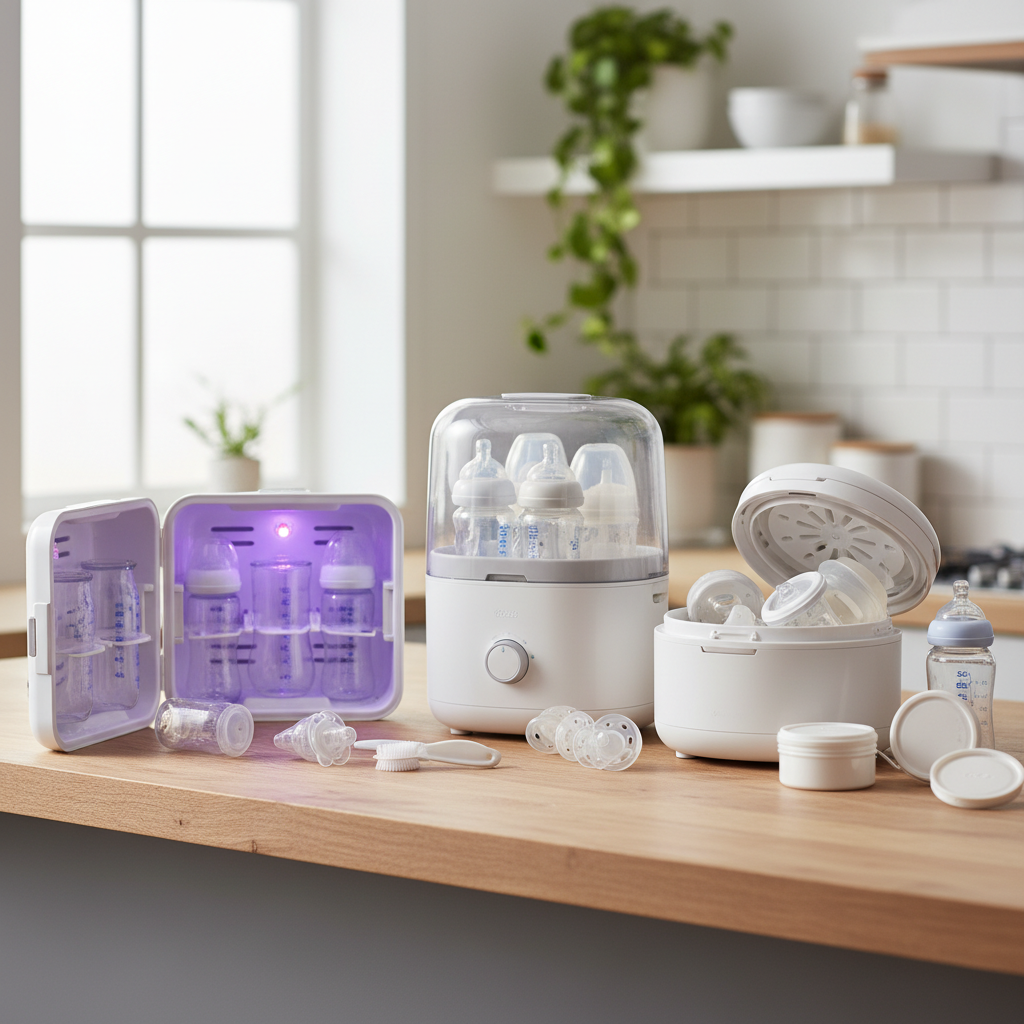
Steam sterilizers use intense heat from steam to effectively kill 99.9% of harmful bacteria and fungi, including yeast, within minutes.
- Electric Steam Sterilizers: These countertop devices heat water to produce steam, sterilizing multiple bottles and accessories in a single cycle. Many models come with a drying function, which is particularly beneficial for preventing yeast growth since yeast thrives in moist environments. They are highly convenient, often featuring automatic shut-off and large capacities, making them ideal for busy parents. The primary drawback is the need for regular descaling to prevent mineral buildup, which can affect performance.
- Microwave Steam Sterilizers: Smaller and more portable, these units use your microwave to generate steam. They offer a quick and effective sterilization solution, perfect for travel or smaller kitchens. While convenient, their capacity is often limited, and they require a microwave for operation.
UV Sterilization
UV sterilizers employ ultraviolet-C (UV-C) light to deactivate viruses, bacteria, and mold, offering a waterless and heat-free sterilization method. This technology is highly effective against a broad spectrum of pathogens, including yeast, without the risk of heat damage to delicate plastic or silicone items.
The advantages of UV sterilizers include their versatility for various materials, often quick cycles, and the absence of water-related concerns like descaling. However, they typically come at a higher price point, and UV bulbs need periodic replacement. Some parents also find their sterilization times slightly longer compared to steam.
Cold Chemical Sterilization (Emergency Use Only)
This method involves immersing items in a disinfectant solution. While effective, it’s generally recommended only for emergencies or when other methods are unavailable due to the potential for chemical residue and the necessity of thoroughly rinsing items afterward. This is typically not the preferred method for regular use, especially when trying to prevent thrush reinfection.
Comparison Table: Sterilizers for Thrush Prevention
| Feature | Boiling | Steam Sterilizer (Electric) | Steam Sterilizer (Microwave) | UV Sterilizer |
|---|---|---|---|---|
| Effectiveness | High (kills yeast) | Very High (kills yeast) | Very High (kills yeast) | Very High (kills yeast) |
| Speed | Medium (10-20 min) | Fast (6-15 min) | Fast (2-6 min) | Fast (10-20 min) |
| Convenience | Low | High | Medium | High |
| Cost | Very Low (pot only) | Medium to High | Low | High |
| Drying Function | Manual air-dry | Often integrated | Manual air-dry | Often integrated |
| Maintenance | Monitor water level | Descaling needed | Monitor water level | Bulb replacement needed |
| Space Required | Stovetop pot | Countertop | Minimal (in microwave) | Countertop |
| Material Versatility | Limited (heat tolerance) | Good | Good | Excellent (heat-sensitive) |
Key Features to Look for When Choosing a Sterilizer for Thrush
When selecting a sterilizer specifically for preventing thrush reinfection, certain features become paramount:
- Proven Effectiveness Against Yeast: The sterilizer must consistently achieve temperatures or UV exposure levels known to eliminate Candida albicans. Most modern steam and UV sterilizers boast 99.9% germ-killing efficacy.
- Integrated Drying Function: This is arguably the most critical feature for thrush prevention. Yeast thrives in moisture. A sterilizer that also thoroughly dries bottles and accessories ensures there’s no damp environment for yeast to recolonize. Look for models offering various drying cycle lengths.
- Generous Capacity: Consider how many bottles, nipples, pacifiers, and breast pump parts you use daily. A larger capacity machine minimizes the number of cycles you need to run, saving time and effort during an intense period of sterilization.
- Ease of Use and Cleaning: A simple, intuitive interface makes daily sterilization less of a chore. For steam sterilizers, consider how easy it is to descale the heating plate. For UV models, check for simple bulb replacement.
- Durable and Safe Materials: Ensure the sterilizer and its components are made from BPA-free materials that can withstand repeated use without degradation.
- Countertop Footprint: Electric sterilizers can take up significant counter space. Measure your available area before purchasing.
Top Sterilizers Recommended for Thrush Prevention
Based on efficacy, convenience, and features, several sterilizers consistently receive high marks for their ability to create a truly sterile environment, crucial for combating thrush.
-
Baby Brezza SUPERFAST Sterilizer Dryer: This model is frequently lauded for its speed and efficiency. It combines powerful steam sterilization with a quick drying function, often sterilizing and drying bottles in as little as 10 minutes. Its large capacity can handle up to six bottles along with accessories, making it ideal for parents needing to process many items quickly. Many parents praise its professional appearance and how seamlessly it integrates into a nightly routine.
-
Philips Avent Baby Bottle Sterilizer and Dryer Premium: A robust and user-friendly option, the Philips Avent sterilizer offers both steam sterilization and a reliable drying cycle. It’s designed for ease of use and has a modular design, allowing you to adjust its configuration to fit different items. This unit is often chosen for its dependable performance and aesthetically pleasing design that fits well on most kitchen counters.
-
Grownsy 4-In-1 UV Sanitizer and Dryer: For those preferring a waterless, heat-free approach, the Grownsy UV sterilizer is an excellent choice. It uses UV-C light to sanitize and includes a drying function. Its versatility means it can sterilize a wider range of items, including those sensitive to high heat like electronics or certain teething toys, in addition to bottles and pacifiers. Its 4-in-1 functionality (sterilize, dry, auto, storage) adds significant value.
-
Munchkin Steam Microwave Bottle Sterilizer: A budget-friendly and highly effective option, this microwave sterilizer is perfect for parents who need efficient sterilization without a large investment or extra countertop clutter. It’s incredibly easy to use, simply requiring water and a microwave cycle. While it doesn’t include a built-in dryer, its compact size and quick sterilization make it a strong contender for travel or as a secondary sterilizer.
How to Effectively Use and Maintain Your Sterilizer to Prevent Thrush Reinfection
Purchasing the right sterilizer is only half the battle; proper usage and consistent maintenance are key to truly preventing thrush reinfection.
Usage Guidelines:
- Pre-Clean Thoroughly: Before placing any item in the sterilizer, wash bottles, nipples, rings, and pump parts meticulously with hot, soapy water. Use a bottle brush to reach all crevices and remove all traces of milk residue. Any remaining organic matter can shield yeast from the sterilization process.
- Disassemble All Parts: Ensure all bottle components (bottles, nipples, collars, caps) and pump parts are fully disassembled before sterilization. This allows steam or UV light to reach every surface effectively.
- Load Correctly: Follow the manufacturer’s instructions for loading your sterilizer. Overfilling can prevent proper circulation of steam or light.
- Sterilize Daily During Active Thrush: When dealing with an active thrush infection in your baby or yourself, sterilize all feeding items and pacifiers daily. Some health professionals even recommend boiling for 10-20 minutes daily to ensure yeast is eradicated.
- Use the Drying Function: If your sterilizer has a drying function, always use it. Complete drying prevents the growth of yeast and other microorganisms that thrive in moist conditions. If air-drying, ensure items are placed on a clean, dedicated drying rack away from potential contaminants.
- Store Properly: Once sterilized and dried, store items in a clean, covered container or directly assemble bottles for next use to maintain sterility.
Maintenance Tips:
- Regular Descaling (for Steam Sterilizers): Hard water can leave mineral deposits on the heating plate, reducing efficiency. Descals your steam sterilizer regularly (e.g., every 2-4 weeks) using a vinegar solution or a commercial descaler, as per the manufacturer’s instructions.
- Wipe Down Exterior: Keep the exterior of your sterilizer clean with a damp cloth.
- Replace UV Bulbs: If you have a UV sterilizer, replace the UV-C bulb according to the manufacturer’s recommendations to ensure continued effectiveness.
Important Considerations When Combating Thrush
Preventing thrush reinfection extends beyond just sterilizing bottles; it involves a holistic approach to hygiene and prompt medical attention.
- Consult Your Pediatrician: Always follow your pediatrician’s advice regarding thrush treatment for your baby and any related treatment for yourself if breastfeeding. Sterilization is a preventative measure, not a cure.
- Sterilize All Oral Contact Items: Remember to sterilize pacifiers, teething toys, and even breast pump parts. Anything that enters your baby’s mouth or comes into contact with milk can harbor yeast.
- Consider Replacing Nipples and Pacifiers: In cases of stubborn or recurrent thrush, some experts suggest replacing bottle nipples and pacifiers entirely to eliminate any potential hidden yeast spores.
- Use Distilled Water: For steam sterilizers, using distilled water can significantly reduce mineral buildup and the frequency of descaling, ensuring consistent performance.
- Consistency is Key: During an active thrush infection, vigilance is crucial. Missing even one sterilization cycle can provide an opportunity for the yeast to multiply again.
“During an active thrush infection, diligent and consistent sterilization is not just a recommendation; it’s a critical step to prevent the frustrating cycle of reinfection.” – Dr. Emily R. Carter, Pediatric Infectious Disease Specialist
Conclusion
Choosing the best bottle sterilizer is an investment in your baby’s health and your peace of mind, especially when navigating the challenges of oral thrush. By understanding the effectiveness of different sterilization methods—from traditional boiling to advanced steam and UV technologies—you can make an informed decision tailored to your family’s needs. Prioritizing features like integrated drying, ample capacity, and ease of use will ensure you select a sterilizer that not only kills harmful yeast but also fits seamlessly into your busy parenting routine. With the right tools and consistent practice, you can effectively break the chain of thrush reinfection, ensuring a healthier and happier feeding experience for your little one.
What steps will you take today to secure a germ-free future for your baby’s feeding essentials?
Frequently Asked Questions
Can thrush survive sterilization?
Proper sterilization, whether through boiling, high-temperature steam, or effective UV-C light, is designed to kill microorganisms, including the yeast that causes thrush. If a sterilizer is used correctly and consistently, with items thoroughly pre-cleaned, thrush should not survive the process.
How long should I sterilize bottles if my baby has thrush?
When your baby has an active thrush infection, it’s recommended to sterilize all feeding items daily. For boiling, immerse items for 10-20 minutes. For electric or microwave steam sterilizers, follow the manufacturer’s recommended cycle, which typically ranges from 2 to 15 minutes, plus a drying cycle if available. UV sterilizers also have specific cycle times, often around 10-20 minutes.
Are UV sterilizers better than steam for thrush?
Both UV and steam sterilizers are highly effective against thrush. UV sterilizers offer the advantage of being waterless and heat-free, which can be beneficial for heat-sensitive items and eliminates descaling. Steam sterilizers are known for their speed and robust heat-based killing power. The “better” choice often comes down to personal preference, budget, and the types of items you need to sterilize.