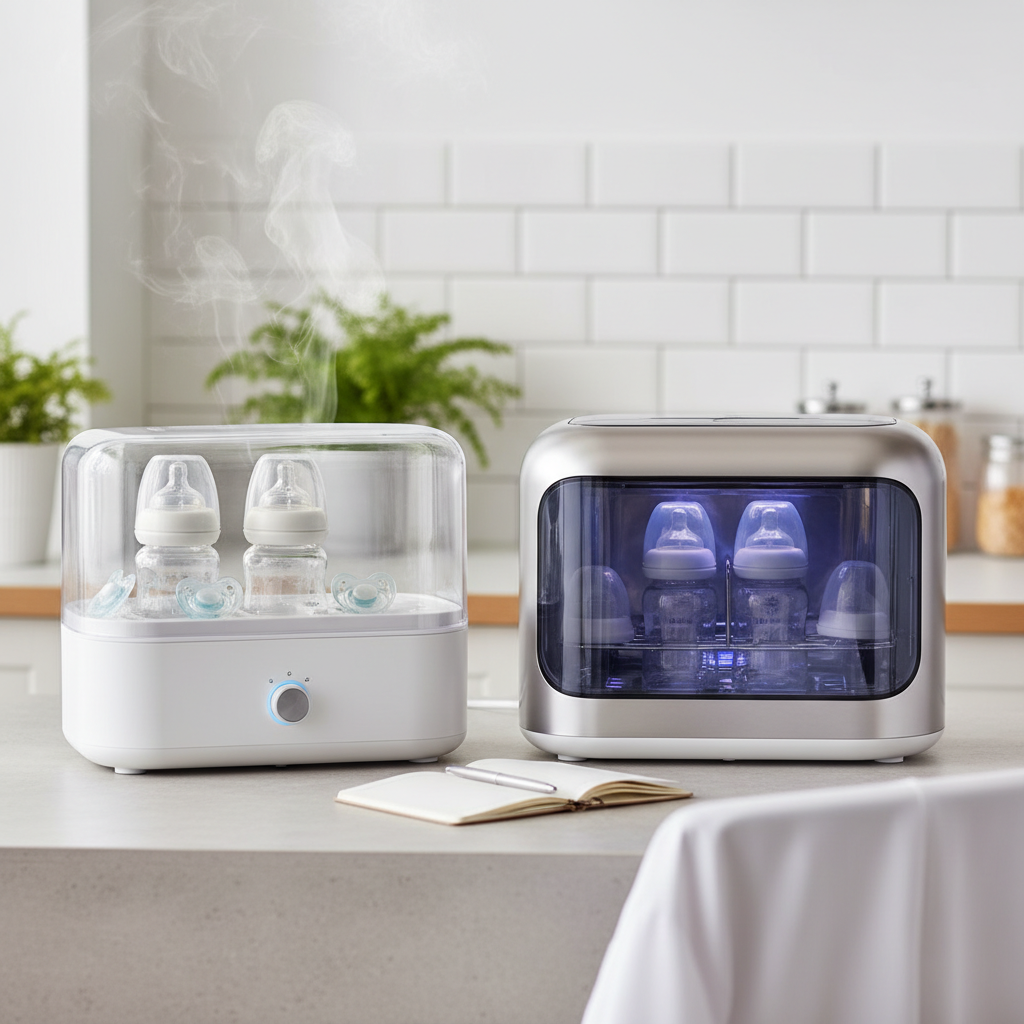
The comforting hum of a brand-new baby bottle sterilizer promises safety and hygiene, a vital step in caring for your little one. Yet, for many parents, that new appliance often comes with an unexpected companion: a distinct plastic smell. This common phenomenon can be a cause for concern, prompting questions about its origin, its safety, and how to banish it from your kitchen. With over a decade of hands-on experience evaluating various sterilization technologies and materials, I understand these worries deeply. This article aims to demystify the plastic odor, offering clear explanations and practical solutions to ensure your sterilizer provides a fresh, clean environment for your baby’s feeding essentials.
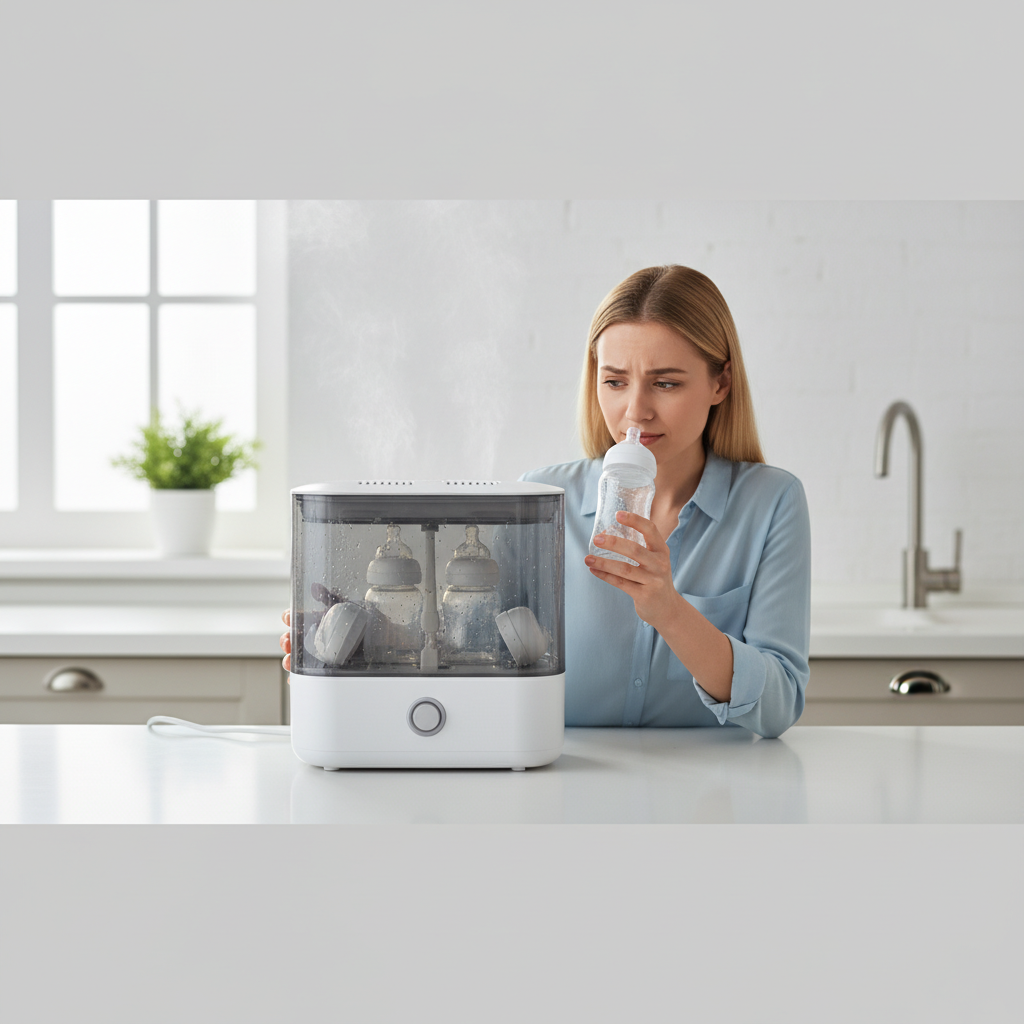
Why Do New Sterilizers Smell Like Plastic?
The initial plastic odor from a new sterilizer is typically not a sign of malfunction but rather a normal characteristic of manufacturing processes. Understanding these underlying causes can bring peace of mind.
Off-Gassing from New Materials
New plastic products, including baby bottle sterilizers, often release volatile organic compounds (VOCs) into the air. This process, known as off-gassing, occurs as residual chemicals from the manufacturing process evaporate from the plastic components. Heat, which is central to most sterilizer operations, can accelerate this release, making the smell more noticeable during the first few uses. Modern sterilizers are predominantly made from food-grade, BPA-free plastics, designed for safety under heating.
Manufacturing Residues
During assembly, tiny amounts of lubricants, cleaning agents, or mold-release agents may remain on internal components. When the sterilizer heats up for the first time, these residues can burn off, contributing to a faint chemical or plastic-like odor. This is generally a temporary issue that dissipates after a few initial cycles.
Ozone Production (for UV Sterilizers)
If you’re using a UV sterilizer, a “sharp” or “sterile” smell might be present. This is often due to the production of ozone (O3) by the UV lamps, particularly those emitting at certain wavelengths. While ozone is a powerful disinfectant, it has a distinct smell different from typical plastic odors. Some studies suggest that elevated ozone levels in confined spaces may not be ideal for health, so proper ventilation is always recommended.
Distinguishing “Burning” from “New Plastic” Smell
It’s crucial to differentiate between a mild “new plastic” smell and a strong, acrid “burning plastic” odor. A new plastic smell is usually faint, dissipates quickly, and is consistent over the first few uses. A burning smell, however, is a serious red flag. It could indicate an internal electrical fault, melting wires, or plastic components overheating beyond their intended limits. If you detect a strong burning odor, immediately unplug the unit and discontinue use.
Food or Milk Residues
While not related to being “new,” if a sterilizer isn’t thoroughly cleaned before use, lingering milk or food residues can scorch on the heating plate during a cycle. This creates a very unpleasant, often burnt smell that can easily be mistaken for a plastic issue, highlighting the importance of diligent pre-cleaning.
Is the Plastic Smell Harmful to Your Baby?
The safety of any product interacting with baby feeding items is paramount. Parents naturally worry if the odors emitted by a sterilizer could pose a health risk.
Initial Off-Gassing: Generally Low Risk
For typical “new plastic” smells from reputable, BPA-free sterilizers, the general consensus is that the transient release of VOCs during initial off-gassing poses a negligible health risk. Manufacturers design these appliances with baby safety in mind, using materials that meet strict safety standards. The trace amounts of compounds released are usually well below levels considered harmful.
Ozone Exposure and Ventilation
For UV sterilizers, while ozone is an effective germicide, prolonged exposure to high concentrations can irritate respiratory systems. Most household UV sterilizers produce minimal amounts, but ensuring good ventilation in the room during and after use is a sensible precaution, especially in smaller, enclosed spaces.
The Danger of a Burning Smell
A strong, burning plastic smell is a different matter. This indicates a potential hazard, such as internal components melting or electrical issues within the sterilizer itself. The fumes from actively burning plastic can contain harmful chemicals, and exposure should be avoided. If you experience a burning smell, cease using the sterilizer immediately and contact the manufacturer’s customer support. Do not attempt to fix the unit yourself.
Minimizing Exposure
Even if the smell is deemed safe, continuous exposure to any fumes is best avoided, particularly for infants with developing respiratory systems. Good ventilation, proper cleaning, and following recommended practices can help reduce any potential concerns. Opting for sterilizers made from high-quality, durable materials that are less prone to breaking down under heat also contributes to long-term safety.
Eliminating and Reducing Plastic Odor in Your Sterilizer
While often temporary, a plastic odor can be unwelcome. Fortunately, several effective methods can help you minimize or eliminate it.
Initial “Break-In” Cycles
Before sterilizing baby bottles for the first time, run your new sterilizer through a few empty cycles with just water. This helps to “burn off” any lingering manufacturing residues and encourages the initial off-gassing in a controlled manner. Ensure good ventilation during these cycles.
Thorough Pre-Cleaning
The most common cause of persistent unpleasant smells, aside from new plastic odors, is uncleaned milk or food residue. Always wash all bottle components and sterilizer parts with warm, soapy water immediately after feeding and before placing them in the sterilizer. This prevents residue from baking onto the heating plate or plastic surfaces, which can produce foul odors when heated.
Natural Cleaning Solutions
For general plastic odors, natural solutions can be very effective:
- Baking Soda Soak: Baking soda is a natural deodorizer. Fill the sterilizer reservoir or a separate container with warm water and add a generous amount of baking soda (e.g., 1-2 tablespoons per liter). Let the empty sterilizer or components soak for several hours or overnight, then rinse thoroughly. You can also make a thick paste with baking soda and water to scrub plastic surfaces before rinsing.
- Vinegar Solution Rinse: White vinegar is an excellent disinfectant and odor neutralizer. Mix equal parts white vinegar and water, pour it into the sterilizer, and run a short cycle or let it sit. Afterwards, discard the solution and rinse the sterilizer components thoroughly with clean water. A subsequent baking soda rinse can help neutralize any lingering vinegar scent.
- Lemon or Citrus Rub: The natural acids and fresh scent of lemons can help combat plastic odors. Rub a lemon half over the plastic surfaces of the sterilizer (when cool and unplugged), let it sit for a short period, then rinse well.
Activated Charcoal or Coffee Grounds
When the sterilizer is not in use, you can place a small bowl of activated charcoal or dry coffee grounds inside the unit (ensure it’s completely dry and unplugged). These materials are excellent at absorbing ambient odors over time. Leave them overnight or for a few days, then remove them before the next use.
Proper Ventilation and Airing Out
Always operate your sterilizer in a well-ventilated area. After each cycle, allow the unit and its components to air dry completely before storing them or closing the lid tightly. This prevents moisture buildup, which can lead to stale or mildew-like smells. Leaving the lid slightly ajar when not in use can also improve air circulation and prevent odors from becoming trapped.
Choosing a Sterilizer to Minimize Odor
Selecting the right sterilizer can play a significant role in minimizing future odor concerns.
Material Quality and Safety
Prioritize sterilizers made from high-quality, durable, BPA-free plastics. While most modern baby products adhere to these standards, a well-constructed unit with robust materials is less likely to degrade prematurely under heat, which can be a source of persistent odors. Some parents concerned about plastic altogether opt for glass bottles, which are naturally odor-resistant and do not leach chemicals.
Reputable Brands and User Reviews
Researching established brands known for their commitment to safety and quality can provide confidence. Review current models and look for feedback specifically addressing odors or chemical smells. User experiences, especially recent ones from 2025-2026, can offer valuable insights into long-term performance and potential odor issues.
Consider the Type of Sterilizer
- Steam Sterilizers: These are common and effective. Their direct heat-and-steam method generally minimizes plastic interaction if made with good materials and cleaned regularly. Ensure the heating plate is easy to clean to prevent residue buildup.
- UV Sterilizers: While convenient, some UV models can produce ozone. If you choose a UV sterilizer, look for models that explicitly state they are ozone-free or use UV-C lamps that do not generate ozone. Good ventilation is still advisable.
- Sterilizer-Dryer Combinations: These all-in-one units are highly convenient. Ensure the drying cycle is efficient and thorough, as incomplete drying can lead to stagnant smells. Look for models with integrated air filters (like HEPA filters) that can improve air quality during the drying process.
Top Sterilizers Known for Odor Management
While no sterilizer can guarantee 100% absence of any initial manufacturing smell, several models consistently receive high marks for overall performance and minimal user-reported odor issues. When considering a purchase in 2026, these brands and types are often recommended for their quality construction and efficiency:
- Philips Avent Steam Sterilizers: Known for their robust design and reliable steam sterilization, these models are generally praised for ease of cleaning and consistent results, minimizing chances for residue-related odors.
- Grownsy Bottle Washer Pro: Often highlighted in 2026 reviews, this unit offers comprehensive washing, sterilizing, and drying. Its efficient operations and thorough cleaning mechanisms help reduce the likelihood of odors developing.
- Papablic Sterilizer & Dryer: This brand frequently appears on “best of” lists for its effective sterilization and drying capabilities. Users often note its solid build and dependable performance without significant odor concerns, provided it’s maintained well.
- Dr. Brown’s Deluxe Sterilizers: Designed to work seamlessly with Dr. Brown’s bottles and other brands, these sterilizers are typically well-regarded for their simplicity and effectiveness, with few reports of persistent plastic smells when used correctly.
- Tommee Tippee Sterilizers: Offering a range of steam sterilizers, Tommee Tippee products are generally considered user-friendly and effective, helping parents keep bottles clean without introducing unwanted smells, especially with regular cleaning and descaling.
When choosing, always consult the most current user reviews and product specifications, paying close attention to comments about material quality and any odor issues.
Maintenance Tips to Prevent Odor Buildup
Consistent maintenance is key to keeping your sterilizer fresh and preventing any unpleasant plastic or stale smells from developing over time.
Regular Descaling
Mineral deposits from water can accumulate on the heating plate, especially in steam sterilizers. This limescale can reduce efficiency and, if allowed to build up significantly, can emit a burning or unpleasant smell when heated. Descale your sterilizer regularly, typically once every 2-4 weeks, or more frequently if you live in a hard water area. Use a descaling solution recommended by the manufacturer or a vinegar-and-water solution.
Daily Cleaning After Each Use
After every sterilization cycle, allow the unit to cool down. Then, wipe down the heating plate and all internal surfaces with a clean, damp cloth. This removes any water droplets or minimal residue that could otherwise accumulate. For steam sterilizers, empty any residual water from the reservoir immediately.
Thorough Drying
Moisture trapped inside the sterilizer can encourage the growth of mold or mildew, leading to musty smells. If your sterilizer has a drying function, use it. Otherwise, air dry all components completely before reassembling or storing the unit. Leaving the lid slightly ajar between uses promotes airflow.
Replacing Worn Parts
Over time, plastic components can wear out, become discolored, or absorb odors, especially if not regularly cleaned. If specific plastic parts of your sterilizer (like trays or baskets) retain smells even after cleaning, it might be time to replace them. Check the manufacturer’s website for replacement parts.
Important Safety Considerations
Using any baby care product requires attention to safety, and sterilizers are no exception.
- Always Read the Manual: Before first use, thoroughly read and understand your specific sterilizer’s instruction manual. It contains crucial information on operation, cleaning, descaling, and safety warnings unique to your model.
- Distinguish Odors: Reiterate the difference between a faint “new plastic” smell (which typically dissipates) and a strong, acrid “burning plastic” odor. The latter is a sign of malfunction and requires immediate action.
- Ensure Adequate Ventilation: Always operate your sterilizer in a well-ventilated area to disperse any fumes or steam effectively.
- Keep Away from Children: Sterilizers involve heat or UV light. Ensure the unit is always out of reach of children, especially during operation and immediately afterward when parts may still be hot.
- Unplug When Not in Use or During Cleaning: To prevent accidents, always unplug the sterilizer before cleaning, descaling, or when it’s not going to be used for an extended period.
- When in Doubt, Act: If you’re ever unsure about a smell, a strange noise, or the unit’s performance, err on the side of caution. Stop using it, contact the manufacturer’s customer support, or consider replacing it. Your baby’s safety is paramount.
Conclusion
The presence of a plastic smell in a new baby bottle sterilizer is a common concern for parents, often stemming from benign off-gassing or manufacturing residues. By understanding the causes, recognizing the distinction between a normal new scent and a potentially hazardous burning smell, and implementing simple yet effective cleaning and maintenance routines, you can confidently address these issues. Opting for reputable brands and practicing diligent care ensures your sterilizer provides the clean, odor-free environment essential for your baby’s health. What are your top tips for keeping your sterilizer fresh and odor-free?
Frequently Asked Questions
How often should I clean my sterilizer to prevent odors?
|
Our Picks for the Best Bottle sterilizer in 2026
As an Amazon Associate I earn from qualifying purchases.
|
||
| Num | Product | Action |
|---|---|---|
| 1 | Bottle Sterilizer and Dryer, 99.999% Deep Sterilization, 6-min Rapid Disinfection, Up to 12 Bottles, HEPA Filter, All-in-One for Baby Bottles, Breast Pump Parts & Newborn Essentials |

|
| 2 | Bottle Sterilizer, Baby Bottle Steam Sterilizer, Electric Baby Bottle Sanitizer with Timer for Baby Bottles, Pacifiers, Pump Parts |
|
| 3 | GROWNSY Bottle Sterilizer and Dryer, Compact Electric Steam Baby Bottle Sterilizer (Esterilizador de Biberones), Bottle Sanitizer for Baby Bottles, Pacifiers, Pump Parts |
|
| 4 | Dr. Brown's All-in-One Sterilizer and Dryer for Baby Bottles, Parts and Other Newborn Essentials |
|
| 5 | Momcozy KleanPal Pro Baby Bottle Washer, Sterilizer & Dryer - All-in-One Cleaning Machine for Bottles, Pump Parts & Baby Essentials - Time-Saving & Effortless Care |
|
| 6 | Papablic Baby Bottle Sterilizer and Dryer Pro, Esterilizador De Biberones, Electric Steam Sterilizer for Baby Bottles, Pacifiers, and Pump Parts, Large Capacity 10 Bottles |
|
| 7 | Momcozy 3 Layers Large Bottle Sterilizer and Dryer, Fast Sterilize and Dry, Universal Bottle Sterilizer for All Bottles & Breast Pump Accessories, Touch Screen & Auto-Off Bottle Sanitizer |
|
| 8 | HEYVALUE Ease-Steam Bottle Sterilizer, Compact Baby Bottle Sterilizer, Fast One-Touch Operation (Esterilizador de Biberones), Electric Sterilizer for Baby Bottles, Baby Essentials & Breast Pump Parts |
|
| 9 | Bear Bottle Sterilizer and Dryer, 2 Layers Large Electric Steam Baby Bottle Sterilizer, Fast Bottle Sanitizer and Dryer for All Bottles & Accessories, Time-Saving Design |
|
| 10 | Momcozy Bottle Sterilizer and Dryer, Modular Nesting Space Saving Design, 6 Bottles Capacity, 4 in 1 Compact Sterilizer for Baby Bottles, Breast Pump Parts & Newborn Essentials, Drying Rack Included |
|
For optimal hygiene and odor prevention, you should wipe down the sterilizer’s heating plate and internal surfaces after every use, and thoroughly clean all components with soap and water daily. Descaling is recommended every 2-4 weeks, or more often in hard water areas, to prevent mineral buildup and associated smells.
Can I use harsh chemicals to remove plastic smell from my sterilizer?
No, it is not recommended to use harsh chemicals, abrasive cleaners, or scouring pads on your sterilizer. These can damage the plastic, potentially leading to further odor issues or even leaching harmful substances. Stick to mild dish soap, white vinegar, or baking soda solutions for safe and effective cleaning.
My sterilizer smells like burning even after cleaning. What should I do?
If your sterilizer emits a strong, acrid burning plastic smell, especially if persistent after initial uses and cleaning, stop using it immediately. This could indicate an internal malfunction. Unplug the unit and contact the manufacturer’s customer support for assistance, as attempting to fix it yourself could be dangerous.
Are UV sterilizers more prone to plastic smells?
UV sterilizers might produce a “sharp, sterile” smell due to ozone generation, which is distinct from a typical plastic odor. While this is generally safe in well-ventilated spaces, prolonged exposure to high ozone concentrations should be avoided. Some UV models are designed to be ozone-free.
When should I replace my sterilizer or its plastic parts?
You should consider replacing your sterilizer if it consistently produces a burning smell, shows signs of damage or malfunction, or if its performance significantly degrades. Plastic parts that become discolored, cracked, or retain stubborn odors despite thorough cleaning should also be replaced to ensure hygiene and safety.