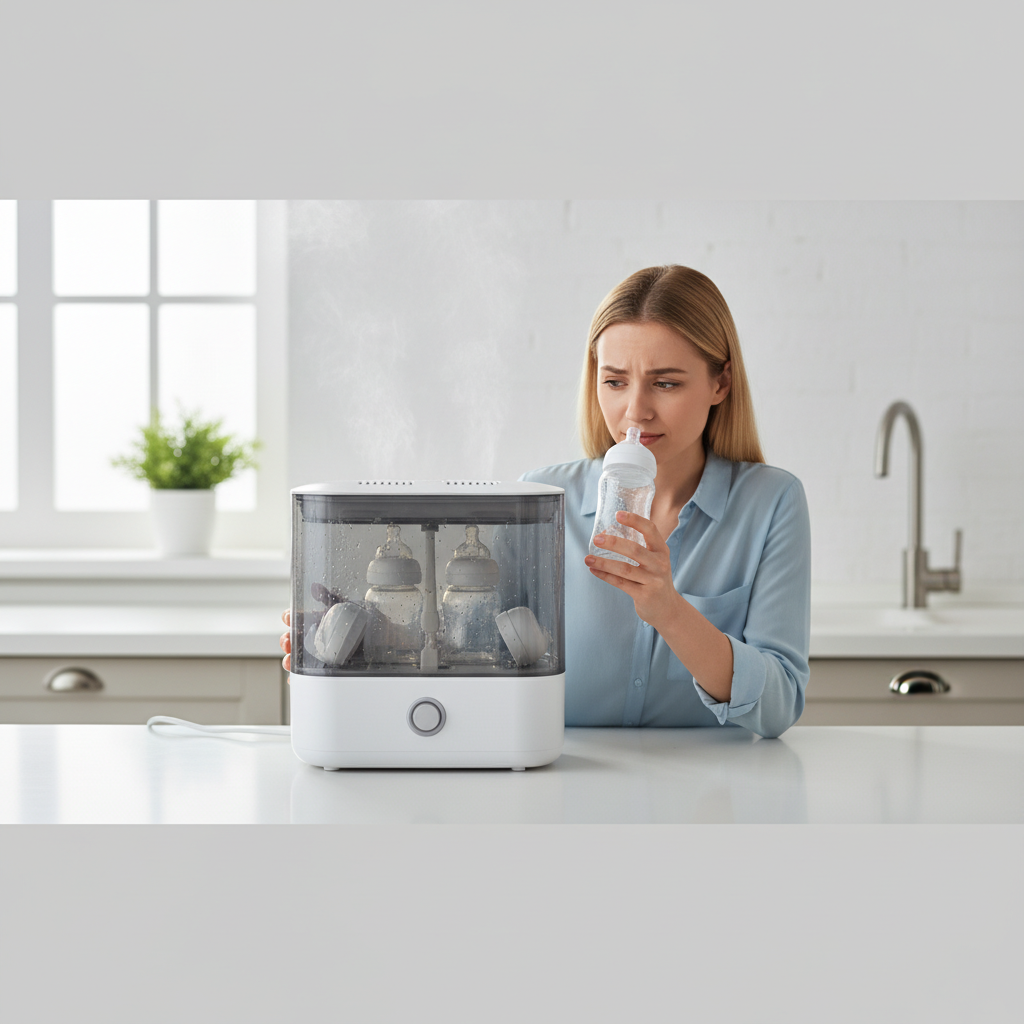
For parents prioritizing hygiene, UV sterilizers have become a popular and convenient choice for sanitizing baby bottles, pacifiers, and pump parts. These devices harness ultraviolet light to eliminate germs, offering a chemical-free solution. However, a common observation that often sparks concern is the gradual yellowing of silicone items after repeated UV sterilization. This change, while visually unsettling, has a scientific basis rooted in material science. Understanding this process is key to deciphering what’s truly happening to your baby’s silicone products.
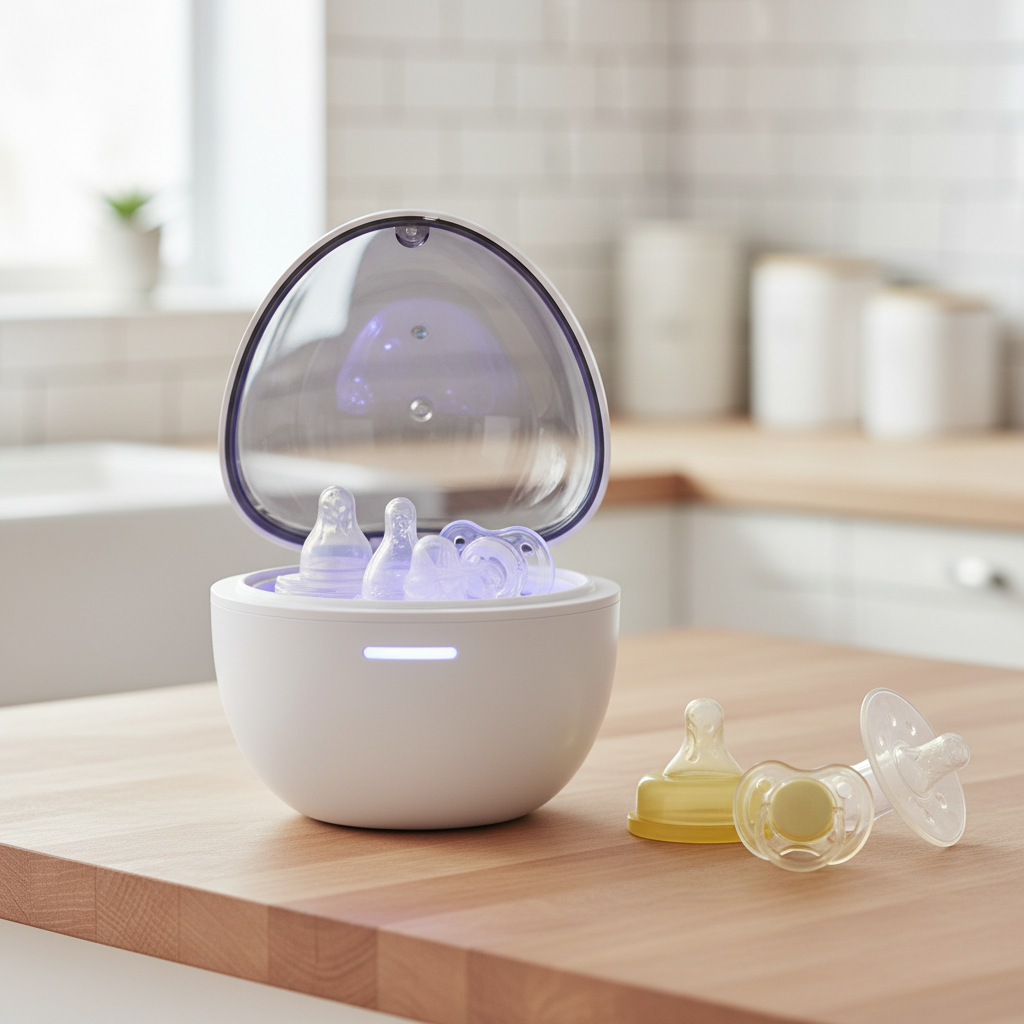
Understanding UV Sterilizers and Silicone
UV sterilizers work by emitting germicidal UV-C light, a short-wavelength ultraviolet light that disrupts the DNA and RNA of microorganisms, preventing them from reproducing and rendering them harmless. This method is effective, quick, and leaves no residue, making it attractive for busy parents. Silicone, on the other hand, is a versatile synthetic polymer widely used in baby products due to its flexibility, durability, heat resistance, and inert nature. From bottle nipples to teething toys, its properties make it ideal for items that require frequent cleaning and sterilization.
The Science Behind Silicone Yellowing
The primary reason silicone products turn yellow in UV sterilizers lies in a process called UV degradation and oxidation. Silicone, while robust, is not entirely impervious to the effects of high-energy UV-C light over extended exposure. The UV radiation delivers energy that can break down the chemical structure of the silicone polymer chains.
When these polymer chains break, they become susceptible to oxidation, reacting with oxygen molecules in the air. This oxidation process leads to the formation of new chemical compounds known as chromophores. Chromophores are groups of atoms that absorb certain wavelengths of light and reflect others, resulting in the visible yellow (or sometimes reddish) tint you see on your silicone items. It’s akin to how sunlight can fade or discolor plastics and fabrics over time.
Beyond UV light, other factors can accelerate this yellowing process:
- Role of Heat: Many UV sterilizers also incorporate a drying function, which involves heat. Elevated temperatures can accelerate the aging process of silicone, weakening its chemical bonds and making it more prone to oxidation and discoloration when combined with UV exposure.
- Chemical Reactions and Impurities: Exposure to certain environmental pollutants, cleaning agents, oils, or even residual moisture can also contribute to silicone degradation. Low-quality silicone materials, or those containing impurities or unstable additives from manufacturing, may be more susceptible to these reactions and thus yellow more quickly.
“The yellowing of silicone due to UV exposure is primarily an oxidative process. The high-energy UV-C photons interact with the polymer, breaking molecular bonds and leading to the formation of chromophoric groups that absorb blue light, causing a yellow appearance.” – Dr. Emily R. Chen, Materials Science Specialist
Is Yellowed Silicone Safe for Your Baby?
This is often the most pressing question for parents. Generally, the yellowing of silicone in baby products from UV sterilization is considered primarily an aesthetic concern rather than an immediate safety hazard. The discoloration indicates that the material’s chemical structure has undergone some changes, but it doesn’t necessarily mean the silicone is leaching harmful chemicals or is no longer safe to use.
However, significant degradation over an extended period, beyond just surface yellowing, could eventually impact the material’s integrity. This might manifest as increased brittleness, stickiness, or even cracking. If you notice these physical changes in addition to yellowing, it’s a good indication that the silicone item has degraded beyond its useful life and should be replaced. For most reputable medical-grade or food-grade silicone products, simple yellowing alone typically does not compromise the material’s safety or function for a reasonable period of use.
Preventing Silicone Yellowing from UV Sterilization
While some degree of yellowing might be inevitable with consistent UV exposure, you can take steps to minimize it and prolong the life of your silicone baby products:
- Choose High-Quality Silicone Products: Invest in reputable brands that use high-quality, medical-grade or food-grade silicone. These materials are often formulated with stabilizers or UV inhibitors to enhance their resistance to degradation.
- Optimal Sterilizer Use: Always follow the manufacturer’s instructions for both your silicone products and your UV sterilizer. Avoid running excessively long cycles or using the sterilizer more frequently than necessary.
- Pre-Cleaning is Key: Thoroughly wash all silicone items with mild soap and water before placing them in the UV sterilizer. This removes milk residues, oils, and other contaminants that could accelerate discoloration or chemical reactions during sterilization. Ensure items are completely dry before placing them in a UV sterilizer that uses heat, as moisture can also play a role in degradation.
- Proper Storage: After sterilization, store silicone items in a clean, dry place away from direct sunlight or harsh artificial light. Continued UV exposure outside the sterilizer can contribute to yellowing.
- Consider Alternatives (Periodically): While UV sterilizers are convenient, occasionally using alternative sterilization methods like boiling or steam sterilization (if compatible with the product) can give your silicone a break from UV exposure.
Debunking Myths About Yellowed Silicone
One common misconception is that yellowed silicone is inherently “dirty” or immediately toxic. While it signals a chemical change, it doesn’t mean the item is unhygienic after sterilization or that toxic substances are rapidly migrating. The yellowing is a visual indicator of oxidation, not a direct measure of bacterial contamination or harmful chemical release in properly maintained products. Another myth is that all silicone will yellow at the same rate. The truth is, material quality, specific additives, and the intensity/duration of UV exposure all play significant roles in how quickly discoloration occurs.
Conclusion
The phenomenon of silicone yellowing in UV sterilizers is a common concern among parents, primarily stemming from UV degradation and oxidation of the silicone polymer chains. While this discoloration is largely an aesthetic change, it signifies a material alteration. High-quality silicone, proper pre-cleaning, and adherence to manufacturer guidelines can help mitigate the yellowing effect. It’s crucial to distinguish between cosmetic yellowing and actual material degradation that could compromise an item’s safety or function. If silicone becomes sticky, brittle, or cracks, it’s time for a replacement. By understanding the science behind this process, you can make informed decisions about caring for your baby’s essentials and ensure their ongoing safety and hygiene.
What other material questions do you have about your baby’s products?
Frequently Asked Questions
Can I still use yellowed silicone bottles and pacifiers?
|
Our Picks for the Best Bottle sterilizer in 2026
As an Amazon Associate I earn from qualifying purchases.
|
||
| Num | Product | Action |
|---|---|---|
| 1 | Momcozy Bottle Sterilizer and Dryer, Modular Nesting Space Saving Design, 6 Bottles Capacity, 4 in 1 Compact Sterilizer for Baby Bottles, Breast Pump Parts & Newborn Essentials, Drying Rack Included |

|
| 2 | Papablic Baby Bottle Sterilizer and Dryer Pro, Esterilizador De Biberones, Electric Steam Sterilizer for Baby Bottles, Pacifiers, and Pump Parts, Large Capacity 10 Bottles |
|
| 3 | Momcozy KleanPal Pro Baby Bottle Washer, Sterilizer & Dryer - All-in-One Cleaning Machine for Bottles, Pump Parts & Baby Essentials - Time-Saving & Effortless Care |
|
| 4 | Bottle Sterilizer and Dryer, 99.999% Deep Sterilization, 6-min Rapid Disinfection, Up to 12 Bottles, HEPA Filter, All-in-One for Baby Bottles, Breast Pump Parts & Newborn Essentials |
|
| 5 | HEYVALUE Ease-Steam Bottle Sterilizer, Compact Baby Bottle Sterilizer, Fast One-Touch Operation (Esterilizador de Biberones), Electric Sterilizer for Baby Bottles, Baby Essentials & Breast Pump Parts |
|
| 6 | Momcozy 3 Layers Large Bottle Sterilizer and Dryer, Fast Sterilize and Dry, Universal Bottle Sterilizer for All Bottles & Breast Pump Accessories, Touch Screen & Auto-Off Bottle Sanitizer |
|
| 7 | GROWNSY Bottle Sterilizer and Dryer, Compact Electric Steam Baby Bottle Sterilizer (Esterilizador de Biberones), Bottle Sanitizer for Baby Bottles, Pacifiers, Pump Parts |
|
| 8 | Bear Bottle Sterilizer and Dryer, 2 Layers Large Electric Steam Baby Bottle Sterilizer, Fast Bottle Sanitizer and Dryer for All Bottles & Accessories, Time-Saving Design |
|
| 9 | Bottle Sterilizer, Baby Bottle Steam Sterilizer, Electric Baby Bottle Sanitizer with Timer for Baby Bottles, Pacifiers, Pump Parts |
|
| 10 | Dr. Brown's All-in-One Sterilizer and Dryer for Baby Bottles, Parts and Other Newborn Essentials |
|
Yes, generally, yellowed silicone bottles and pacifiers are safe to use as long as the material hasn’t become sticky, brittle, cracked, or otherwise structurally compromised. The yellowing is primarily an aesthetic indicator of UV degradation and oxidation, not an immediate sign of toxicity or functional failure.
Does all silicone yellow in a UV sterilizer?
Most silicone will show some degree of yellowing over time with repeated exposure to UV light, especially clear or translucent varieties. The rate and intensity of yellowing depend on the silicone’s quality, specific manufacturing additives, and the duration and intensity of UV exposure.
How often should I replace silicone baby products if they yellow?
There’s no fixed timeline solely based on yellowing. Replace silicone baby products when they show signs of wear and tear, such as stickiness, brittleness, cracks, tears, or any changes that could affect their structural integrity or function. Always follow the specific replacement recommendations from the product manufacturer.
Are there UV sterilizers that don’t yellow silicone?
While some sterilizers might have features designed to minimize yellowing, any device using UV-C light will contribute to the oxidation process in silicone over time. Choosing high-quality silicone products with UV stabilizers and following best practices for use and care are more effective strategies than relying solely on a “non-yellowing” sterilizer.
What’s the difference between UV yellowing and staining?
UV yellowing is a chemical change within the silicone polymer itself due to oxidation from UV light, often appearing as an overall yellow tint. Staining, on the other hand, occurs when external substances like food, milk, or dyes adhere to and discolor the surface of the silicone, and it can often be removed or reduced with cleaning.